The Role of Percussion Instruments in Traditional Nigerian Celebrations
The Significance of Percussion Instruments in Nigeria
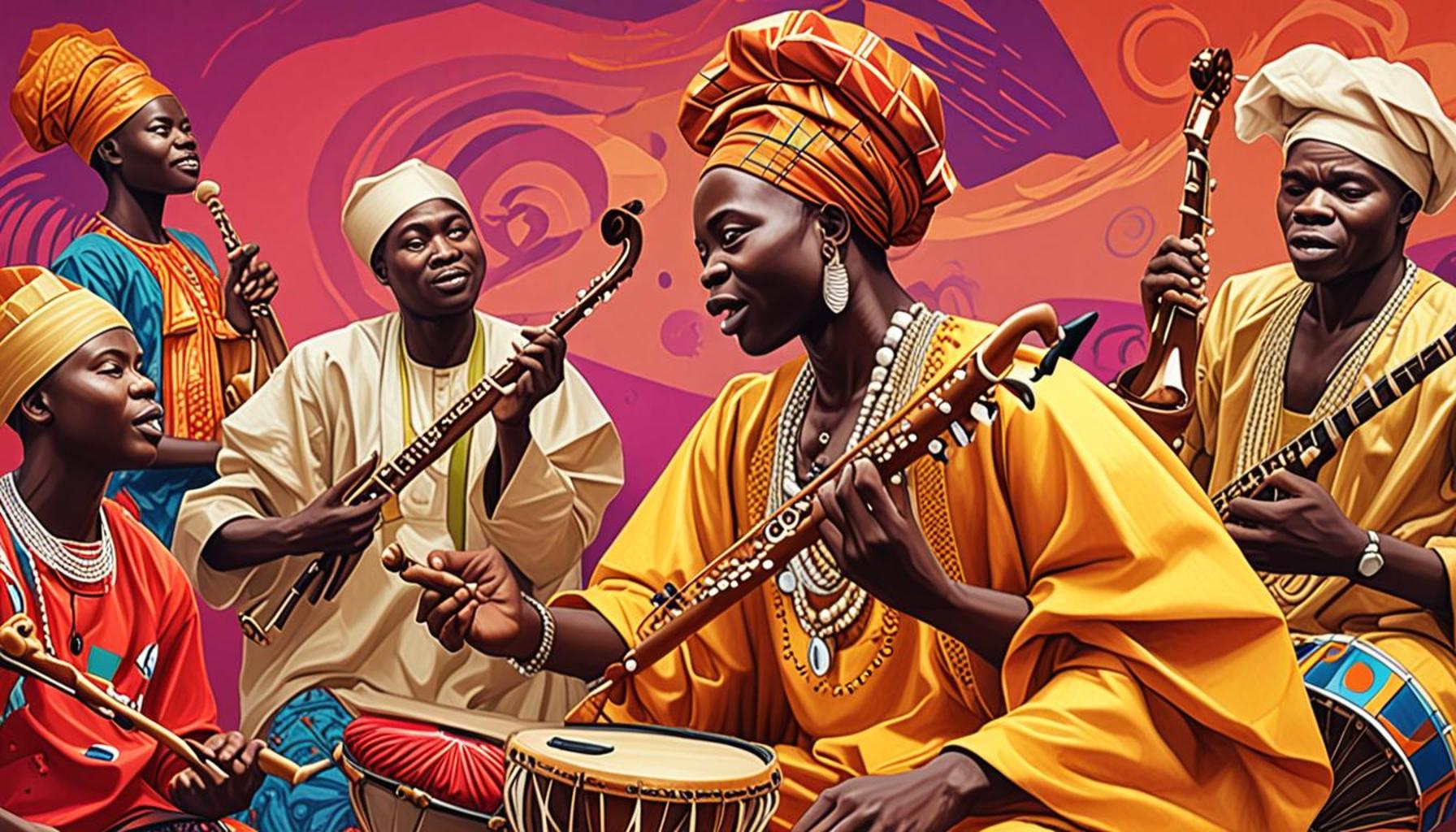
Percussion instruments serve as the heartbeat of traditional Nigerian celebrations, embodying the rich cultural heritage and communal spirit of the nation. Their vibrant rhythms and captivating sounds can instantly transform any gathering into a lively celebration. In Nigeria, the significance of these instruments goes far beyond mere entertainment; they symbolize unity, identity, and cultural history.
A Diverse Array of Occasions
Percussion instruments find their way into numerous events, infusing each occasion with life and meaning. For instance:
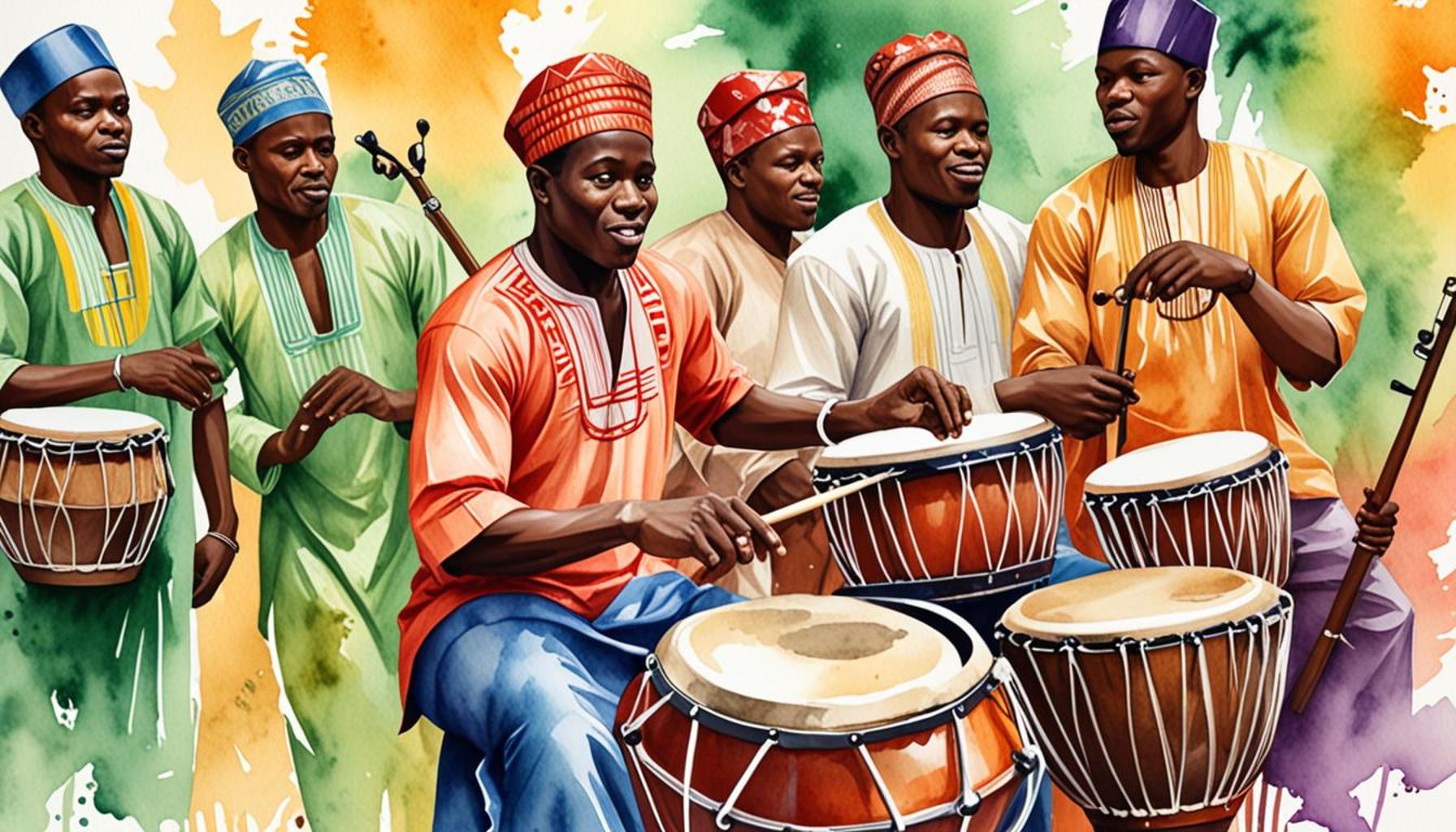
- Weddings: The joyous union of two families is celebrated with specific drumming styles, most notably using the talking drum, or dundun. Its ability to mimic speech allows drummers to convey messages and blessings, enhancing the emotional experience of the ceremony.
- Festivals: Events such as the Osun-Osogbo festival showcase the essential role of drumming in spiritual and cultural expressions. Drumming during these festivals not only honors deities but also strengthens community bonds as participants engage in collective dances and singing, creating a vibrant tapestry of sound and movement.
- Funerals: In more somber settings, percussion instruments are used to pay tribute to the deceased. The drumming at funerals can evoke feelings of mourning while also celebrating the life lived, reinforcing connections among mourners and offering solace through rhythm.
The Art of Storytelling through Rhythm
Through intricate rhythms, percussion instruments tell vibrant stories that encapsulate moments of joy, sorrow, and every emotion in between. Each beat resonates with historical context, often drawing upon folk tales and ancestral wisdom. For example, the kalangu, a traditional Hausa drum, carries with it the narratives of ancient warriors and community legends, illustrating how music can serve as a living history.
Moreover, communities use drumming as a means of fostering unity. The communal participation in rhythm creation allows for a shared experience, bridging generational gaps and ensuring that cultural practices are passed down. This aspect is particularly evident during major celebrations when large groups gather to drum and dance, fostering a profound sense of togetherness.
Conclusion: The Heart of Nigerian Identity
As we explore the nuanced role of percussion instruments in Nigerian culture, it becomes evident that they are more than just musical tools; they are vital conduits for communication, celebration, and remembrance. They weave together the rich tapestry of Nigerian heritage, highlighting the significance of community ties and cultural identity. Understanding this vibrant aspect of Nigerian life invites us to appreciate the deeper connections between rhythm, society, and tradition, encouraging a journey that honors our diverse past while inspiring a harmonious future.
ADDITIONAL INSIGHTS: Expand your understanding here
Percussion Instruments: The Pulse of Cultural Expression
The intricate rhythms produced by percussion instruments are fundamental to the authenticity and vibrancy of Nigeria’s traditional celebrations. In the diverse cultural landscape of Nigeria, each ethnic group has its unique percussion instruments that serve distinct purposes, facilitating storytelling, honoring traditions, and fostering community spirit. The talking drum, shekere, and kalangu are just a few examples of these essential instruments that create a rhythmic foundation for celebrations, uniting individuals in a shared experience of joy and cultural pride.
Cultural Significance of Specific Instruments
Each percussion instrument in Nigeria carries significant cultural relevance, intertwined with the history and traditions of various ethnic groups. Consider the following:
- Talking Drum (Dundun): Renowned for its capability to mimic human speech, the talking drum is often used during social gatherings and storytelling events. It conveys messages, blessings, and even the emotions of the moment, enhancing the narrative with sound. The versatility of the dundun makes it indispensable during weddings, where it accompanies the couple’s procession, celebrating their union.
- Shekere: This gourd instrument covered with a net of beads adds a unique texture to the music. Originating from the Yoruba people, the shekere is key in traditional ceremonies, including festivals like the Yoruba Oshun Festival. Its rhythmic sounds serve to energize dancers, creating an atmosphere charged with cultural reverence and joy.
- Kalangu: A distinctive drum belonging to the Hausa culture, the kalangu is typically played during harvest celebrations and significant communal events. Equipped with a deep, resonant sound, it is often accompanied by songs that narrate the community’s history, instilling a sense of pride and identity among participants.
The Communal Experience of Drumming
Percussion instruments in Nigeria go beyond a simple musical role; they play a crucial part in communal bonding and cultural preservation. When communities gather to celebrate, the act of drumming becomes a collective endeavor, reinforcing social ties and cultural identity. Traditional dances are often performed alongside drumming, where choreographed movements echo the rhythms and embody the narratives of the songs. This active participation fosters a sense of unity, as people of different ages come together to drum and dance, creating a shared cultural experience.
Moreover, during traditional festivals, the act of drumming can evoke feelings of nostalgia and cultural pride, reminding participants of their roots and heritage. The fascination with rhythm can invite curiosity, encouraging younger generations to learn how to play these instruments and understand their significance, thus ensuring that the practice continues to thrive. As we delve deeper into the role of percussion instruments in Nigerian celebrations, it becomes clear that they are not just tools of music but essential components of the country’s social fabric.
The Cultural Significance of Percussion Instruments
Percussion instruments play an integral role in the vibrant tapestry of Nigerian traditional celebrations. These instruments, which include drums like the talking drum, gangan, and udu, are more than just musical tools; they convey history, emotions, and cultural narratives. Each region in Nigeria has its unique style and rhythm, reflecting the diverse ethnic backgrounds found across the country. For instance, the talking drum is renowned for its ability to mimic human speech, making it a vital part of communication in ceremonies such as weddings, rites of passage, and religious festivals.
The Role of Rhythm in Community Bonding
The role of rhythm in these celebrations cannot be overstated. Percussion instruments bring people together, creating a communal atmosphere that enhances social bonds. During events like the Owa Festival in Ekiti State, rhythms played on the beta drums invoke unity and teamwork among participants, strengthening community ties. The infectious beats can uplift spirits, inviting everyone to participate in dances that tell stories of love, bravery, and heritage.
Impact on Youth and Education
Furthermore, percussion instruments serve an educational purpose. They teach young Nigerians about their cultural heritage, promoting pride in their ancestry. Music workshops and cultural festivals often showcase traditional drumming, ensuring that younger generations carry these rich traditions forward. The use of these instruments also cultivates creativity and teamwork among youth, reinforcing social skills that are beneficial beyond the cultural context.
| Cultural Aspects | Community Engagement |
|---|---|
| Celebratory Events | Bringing People Together |
| Traditional Knowledge | Strengthening Social Bonds |
As we delve deeper into the world of percussion instruments in Nigerian culture, it becomes clear that these instruments go far beyond mere entertainment. They are a dynamic force that shapes identities, fosters community spirit, and educates future generations, making them indispensable in the celebration of heritage and tradition.
RECOMMENDED: Check out this similar article
The Healing Power of Rhythm in Celebrations
In addition to their cultural significance, percussion instruments in Nigeria play a remarkable role in promoting social cohesion and spiritual healing during traditional celebrations. The rhythmic patterns produced by instruments such as the agogo and udo have long been recognized not just for entertainment but also as conduits for emotional expression and communal healing.
Healing Rituals and Spiritual Connections
During significant celebrations, particularly funerals or ceremonies for the ancestors, percussion instruments are used to invoke the spirits and offer prayers. The agogo, a bell-like instrument made from metal, creates sharp, clear sounds that can pierce through the superficial noise of a gathering, drawing the attention of participants to a cleansing or healing moment. Its use is often associated with Yoruba rituals where drummers play intricate rhythms that resonate with the communal experience of loss and remembrance.
On the other hand, the udo or pot drum, made from clay and skin, produces melodious sounds that are sometimes used in divination practices. Its soothing resonance works in partnership with other instruments to create a holistic atmosphere, allowing participants to engage in introspection and emotional release. This interplay of sound helps in healing emotional wounds, thus reinforcing the notion that music, through its percussive elements, can heal both individuals and communities alike.
Empowerment and Identity Through Drumming
Percussion instruments also serve as a vehicle for expressing cultural identity and pride during celebrations such as the Argungu Festival or the Durbar Festival. At these vibrant gatherings, drums are more than just instruments; they embody cultural narratives and historical contexts. For example, the bata drum, often used in the Argungu Festival, accompanies a vast array of cultural dances and performances that showcase the rich history of the Kebbi State. Here, the drum’s powerful beats punctuate the air, drawing attention to the performers and inviting the audience to connect with their heritage.
This sense of empowerment through drumming resonates deeply within the community, as it provides a platform for individuals to celebrate their lineage and collective history. By participating in traditional drumming, people not only recognize the struggles and triumphs of their ancestors but also inspire future generations to honor these traditions.
Engaging Future Generations
As contemporary influences continue to shape musical landscapes in Nigeria, traditional percussion instruments remain a crucial touchstone in celebrations. Many youth engage in learning programs that teach traditional rhythms, highlighting the importance of these sounds in cultural celebrations. Schools and community centers often host drumming workshops, ensuring that the legacy of the talking drum, shekere, and other instruments continues to resonate through the hearts and hands of the younger population.
This growing interest in percussion is evidenced by the resurgence of traditional drumming ensembles at cultural festivals, where young drummers proudly showcase their skills alongside seasoned artisans. Such intergenerational exchanges foster a respectful appreciation for tradition while embracing modern interpretations, demonstrating that the role of percussion instruments in Nigerian celebrations is not only relevant but also adaptive.
YOU MAY ALSO LIKE: Read read another article
Conclusion: Embracing Tradition Through Rhythm
In conclusion, percussion instruments occupy a vital space in the fabric of traditional Nigerian celebrations, serving not only as a source of entertainment but also as powerful tools for cultural expression, social bonding, and spiritual connection. From the vibrant beats of the bata drum during the Argungu Festival to the haunting melodies of the udo in healing rituals, these instruments encapsulate the rich history and diverse narratives that define Nigerian heritage.
The role of percussion instruments transcends mere musicality; they foster emotional cohesion, provide avenues for collective healing, and reinforce cultural identities that are crucial in today’s rapidly modernizing society. As younger generations embrace traditional rhythms through workshops and community gatherings, they not only preserve these age-old practices but also adapt them, ensuring that the essence of Nigerian celebrations remains relevant and alive. This engagement enhances intergenerational dialogues, where wisdom and experience are passed down, creating a cultural continuity that reflects both the past and the future.
Ultimately, as we honor the legacy of percussion instruments within our celebrations, we not only uplift our cultural narratives but also enrich our communal lives. These rhythmic expressions encourage us to come together, celebrate our shared history, and nurture a sense of belonging that unites all Nigerians, regardless of their diverse backgrounds. The future of percussion in Nigerian traditional celebrations is bright, making it imperative for us to deepen our commitment to these invaluable artistic expressions.