The Importance of Music Festivals in Promoting Local Talent in Nigeria
The Role of Music Festivals in Nigeria
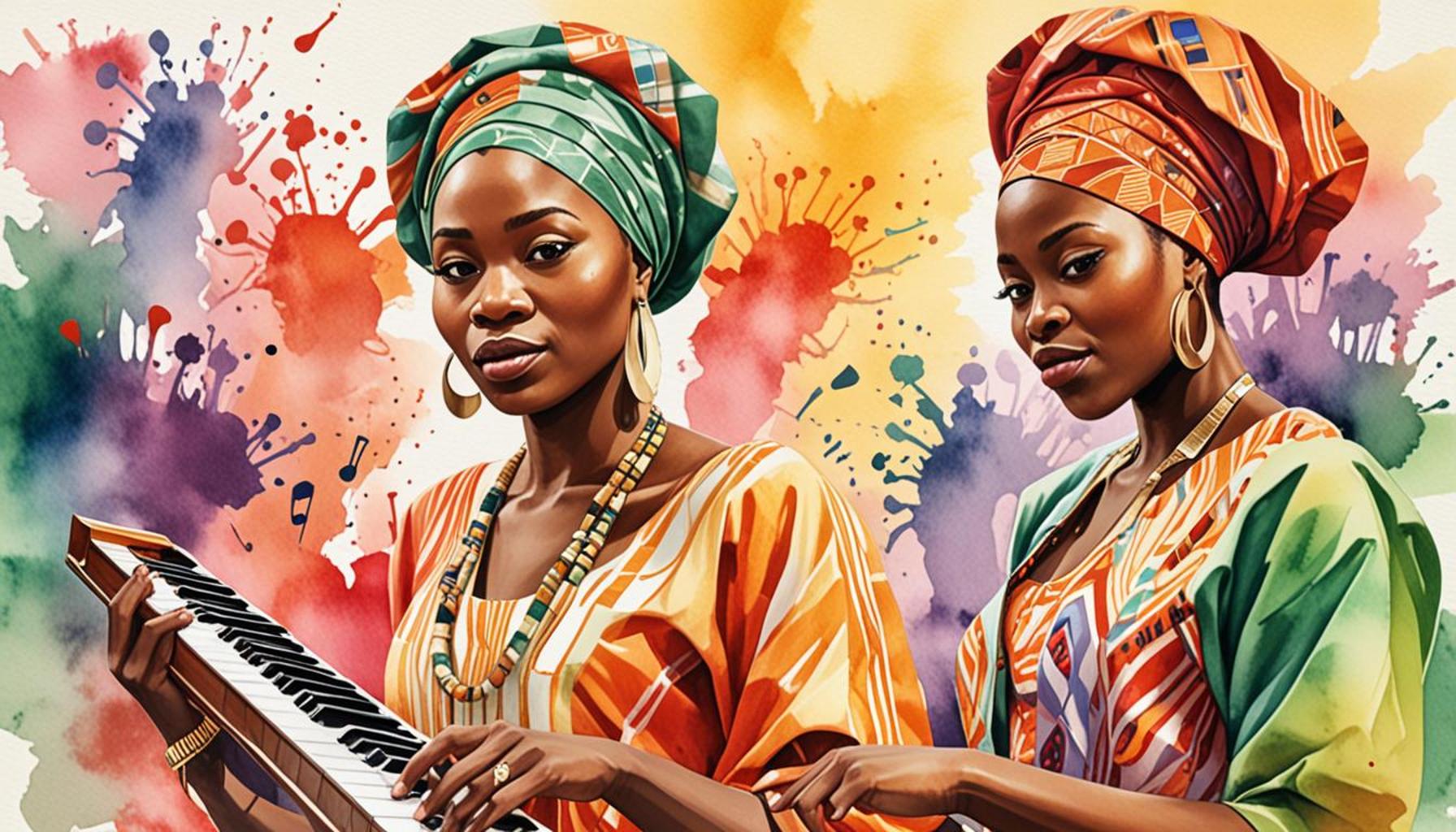
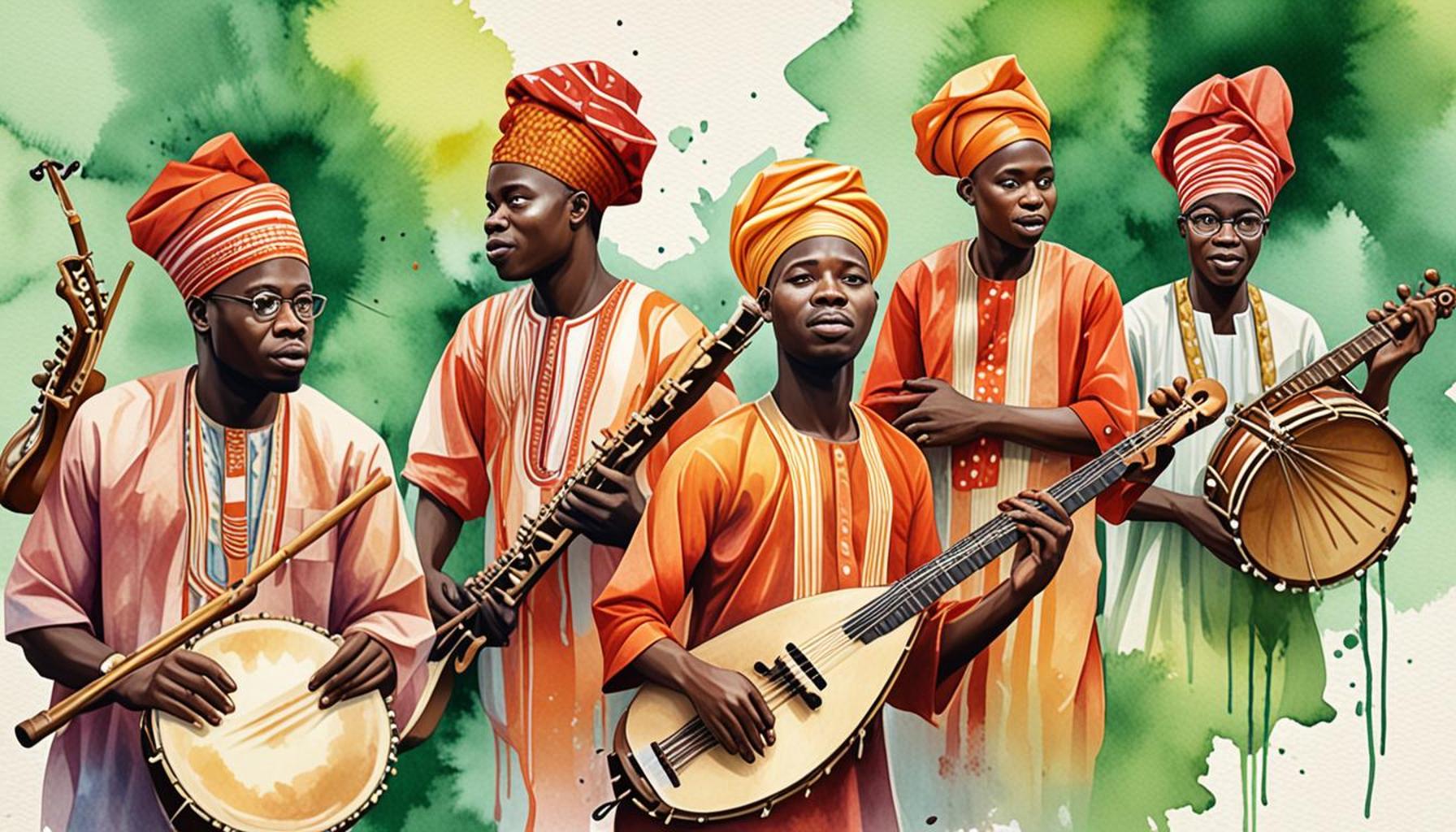
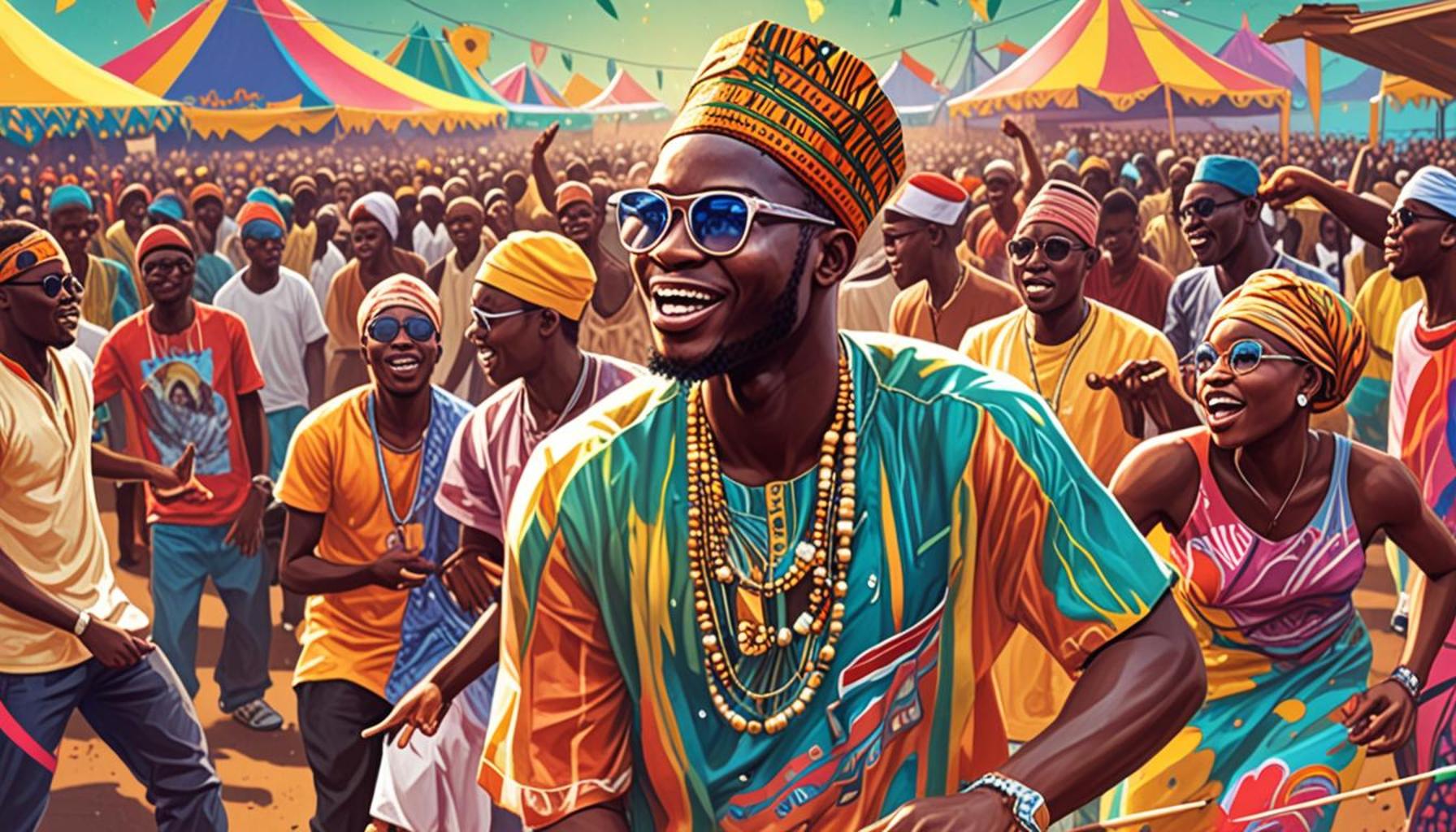
In the vibrant landscape of Nigeria, music festivals serve as a crucial platform for discovering and promoting local talent. With a diverse array of music styles, these events not only entertain but also foster a sense of community and cultural pride. The unique blend of traditional and modern influences creates a rich fabric of sound that resonates deeply across the nation.
Key benefits of music festivals in Nigeria include:
- Showcasing talent: Local artists gain exposure to larger audiences, allowing them to share their unique sounds. Festivals like Felabration, which celebrates the legacy of Fela Kuti, provide an incredible opportunity for emerging artists to perform alongside established names, thereby amplifying their reach and providing critical platforms for their music.
- Cultural exchange: Festivals create a melting pot of different musical influences, bridging gaps between various ethnic groups. For instance, the Motherland Concert, organized by musician Lagbaja, features a mix of Afrobeat, highlife, hip-hop, and traditional music, encouraging artists and audiences from different backgrounds to come together and celebrate diversity.
- Economic impact: These events contribute to tourism and local business growth, driving revenue in host cities. The Lagos Jazz Series draws international tourists, significantly boosting hotel occupancy rates and benefiting local restaurants and retail establishments.
Noteworthy festivals like the Felabration, Lagbaja’s Motherland Concert, and the Lagos Jazz Series highlight the rich tapestry of Nigeria’s musical landscape. They not only showcase local talent but also provide a conduit for cultural storytelling that resonates on global platforms. By showcasing local talent, these events help artists gain recognition both nationally and internationally, contributing to a growing appreciation for Nigerian music worldwide.
Moreover, music festivals are pivotal in nurturing the next generation of musicians. They offer workshops, mentorship programs, and avenues for networking, ensuring a robust future for Nigerian music. Organizations involved in these festivals often collaborate with veteran artists to create educational sessions, equipping young musicians with essential skills, industry insights, and performance experience.
As the festival scene continues to evolve, the impact of these celebrations on local talent remains profound. They not only provide immediate benefits to artists and audiences but also inspire a cultural renaissance that celebrates Nigeria’s musical heritage. The ongoing significance of music festivals in the music industry is undeniable, making it essential for stakeholders and enthusiasts to explore and engage with these vibrant events actively.
CHECK OUT: Click here to explore more
Amplifying Local Voices
Music festivals in Nigeria provide an invaluable opportunity for local artists to elevate their voices and reach broader audiences. These festivals are not just entertainment spectacles; they represent a lifeline for many upcoming musicians striving to be heard in a competitive industry. By offering a structured platform for performers, festivals demystify the often-overwhelming music scene and enable talents to showcase their work in a supportive environment.
The impact on artists can be profound. For many performers, these festivals serve as the first stepping stone on their journey to stardom. The exposure gained at events like the Lagos Carnival draws not only local crowds but also attracts industry insiders, talent scouts, and media outlets, each playing a vital role in promoting emerging acts. The intimate settings of smaller, community-oriented festivals also allow artists to connect personally with their audience, forging lasting relationships that can lead to loyal support in future endeavors.
Moreover, the variety of genres represented at Nigerian music festivals speaks volumes about the country’s rich musical heritage. These events encompass Afrobeats, highlife, hip-hop, and indigenous styles, reflecting the multifaceted identity of Nigeria and its diverse communities. A festival like Calabar Festival brings together artists from various backgrounds, creating an exhilarating atmosphere ripe for cultural exchange and innovation.
To truly understand the role festivals play in shaping the careers of local musicians, it’s essential to explore some core elements of their operations:
- Performance Opportunities: Artists often get the platform to perform in front of larger audiences, some for the first time, leading to greater visibility.
- Access to Industry Professionals: Festivals frequently invite influential figures from the music industry to participate in panels, discussions, or as judges, providing invaluable networking opportunities for up-and-coming talent.
- Financial Rewards: Many festivals offer monetary compensation for performances, which can be crucial for sustaining an artist’s career, especially in a challenging economic landscape.
- Media Coverage: Key music festivals attract considerable media attention, offering local artists an opportunity to gain press coverage that can propel their careers to new heights.
Thus, festivals serve as a crucial mechanism for validating local talent, enabling them to break into the industry while cultivating a rich and diverse musical culture. The connection forged during these events is not just beneficial for artists but also vital for communities, fostering a sense of unity and shared pride in homegrown talent. As the landscape for music in Nigeria continues to evolve, the significance of music festivals as promoters of local talent cannot be overstated.
The Impact of Music Festivals on Local Talent Development
Music festivals in Nigeria are not only a celebration of sound and rhythm; they serve as a vital platform for emerging artists to gain exposure and connect with audiences. These festivals showcase the rich diversity of Nigeria’s musical heritage, from Afrobeat to highlife, and allow local talents to present their work to a broader demographic. Through engaging performances and competitive showcases, these events act as a launchpad for musicians, leading to opportunities for recording contracts, collaborations, and international tours.Moreover, exposure at music festivals can lead to significant networking opportunities. Local artists often interact with influential producers, talent scouts, and even fellow musicians who can help them navigate the complex music industry. The atmosphere of creativity and collaboration ignites inspiration, encouraging artists to innovate and push the limits of their art.Another key advantage of these festivals is their ability to contribute to the local economy. Festivals attract tourists, create jobs, and stimulate local businesses, fostering a sense of community pride. The impact resonates beyond the immediate profits; it cultivates a culture of support for local musicians, thereby encouraging more people to pursue their passions in the performing arts.In Nigeria, where the music industry is rapidly evolving, the significance of music festivals cannot be overstated. They play a crucial role in shaping the future of music by nurturing homegrown talent, allowing them to shine on both local and global stages. As these festivals continue to grow in popularity, their contribution to the music ecosystem becomes increasingly evident, painting a brighter future for Nigeria’s artistic landscape.
| Advantages of Music Festivals | Description |
|---|---|
| Showcasing Emerging Artists | Festivals provide a platform for new talents to perform in front of live audiences. |
| Networking Opportunities | Artists can meet influential industry professionals that can propel their careers forward. |
| Economic Benefits | Festivals attract tourism and stimulate local economies, creating jobs and fostering community pride. |
| Cultural Diversity | Highlighting the rich musical traditions, allowing artists to blend and innovate. |
LEARN MORE: This related article may interest you
Building Community and Cultural Identity
Music festivals in Nigeria also play a crucial role in fostering a sense of community and strengthening cultural identity among diverse populations. Festivals are more than just a showcase of musical talent; they act as a gathering point for people from various backgrounds to celebrate their shared love for music, food, and tradition. For instance, events such as the Felabration, held annually in honor of the legendary musician Fela Kuti, serve to highlight not only the music that has shaped Nigeria’s identity but also the cultural values and social issues that resonate within the community.
Moreover, the integration of local cuisines, fashion, and crafts into these festivals reinforces the cultural tapestry of Nigeria. Artists collaborate with local food vendors and artisans, creating a festive atmosphere where attendees experience traditional dishes alongside contemporary performances. This blend of experiences encourages tourists and locals alike to appreciate the depth and variety of Nigerian culture, making music festivals a vital part of the country’s cultural landscape.
Festivals like the One Africa Music Fest emphasize pan-African unity, connecting Nigerian artists with those from other African nations. Such events highlight the unity and shared experiences across the continent’s diverse yet interconnected musical scenes. This not only promotes local Nigerian talents on an international scale but also opens avenues for cultural diplomacy and collaboration among nations.
Economic Opportunities Through Festivals
The economic impact of music festivals extends beyond just the artists. By attracting thousands of attendees, these events provide significant financial opportunities for a range of stakeholders—from local businesses and vendors to event organizers and sponsors. A study by the Nigerian Bureau of Statistics indicates that music festivals contribute substantially to the local economy, generating revenue through ticket sales, hospitality, transportation, and merchandise.
Furthermore, the influx of tourism during festival periods leads to a spike in hotel bookings and restaurant visits. Areas hosting these events often see an uptick in regional investments aimed at improving infrastructure, which benefits the local population long after the festival has ended. For instance, the annual Gidi Fest, held in Lagos, not only draws in local music lovers but also international spectators, thereby boosting Lagos’ visibility as a prime hub for entertainment and a potential destination for future events.
Empowering the Next Generation of Artists
Music festivals within Nigeria serve as breeding grounds for the next generation of artists. Workshops, masterclasses, and mentorship programs often accompany these events, allowing budding talents to learn from established musicians and industry professionals. Notable festivals like the Lake of Stars Festival in Malawi, which has been influential in promoting music education, could serve as a model for similar initiatives in Nigeria, combining entertainment with educational components to empower emerging artists.
This focus on education is vital in nurturing the next wave of Nigerian talent. As the Nigerian music industry continues to evolve, gaining insights from structured programs will help artists not only to refine their craft but also to understand the business side of their careers. Music festivals also play a proactive role in promoting genres that have often been overlooked, working to ensure that all segments of the local music scene have their moment in the spotlight.
In an age where global trends heavily influence musical expressions, the ability of festivals to promote localized content will remain crucial. By shining a light on authentic Nigerian experiences and stories, music festivals contribute significantly to the preservation of cultural identity while empowering local talent to thrive.
YOU MAY ALSO LIKE: Read read another article
Conclusion: A Melodic Catalyst for Cultural and Economic Growth
In summary, music festivals in Nigeria serve as a powerful platform for promoting local talent, fostering cultural identity, and driving economic growth. By bringing together artists, fans, and industry stakeholders from various backgrounds, these festivals create an energetic atmosphere that celebrates the rich tapestry of Nigerian music and culture. Events like Felabration and Gidi Fest not only showcase local musicians but also attract international attention, enhancing Nigeria’s visibility on the global stage.
Importantly, music festivals are about more than just entertainment; they empower aspiring artists through mentorship programs and workshops, nurturing the leaders of tomorrow in the music scene. This focus on education and collaboration ensures that diverse genres receive the recognition they deserve, reflecting the dynamic nature of Nigerian music. As festivals continue to thrive, they will remain integral in preserving cultural heritage while providing substantial economic benefits to local communities.
The interplay of music, culture, and commerce in Nigeria’s vibrant festival scene invites exploration and engagement from both locals and international tourists alike. This unique celebration of talent and identity not only enriches the Nigerian experience but also helps to empower and uplift the voices that echo within it. As we look to the future, continued investment in music festivals will be essential for sustaining and advancing Nigeria’s cultural legacy, fostering innovation, and resonating with audiences worldwide.