The Influence of Traditional Music on New Generations of Nigerian Musicians
The Rich Tapestry of Nigerian Musical Heritage
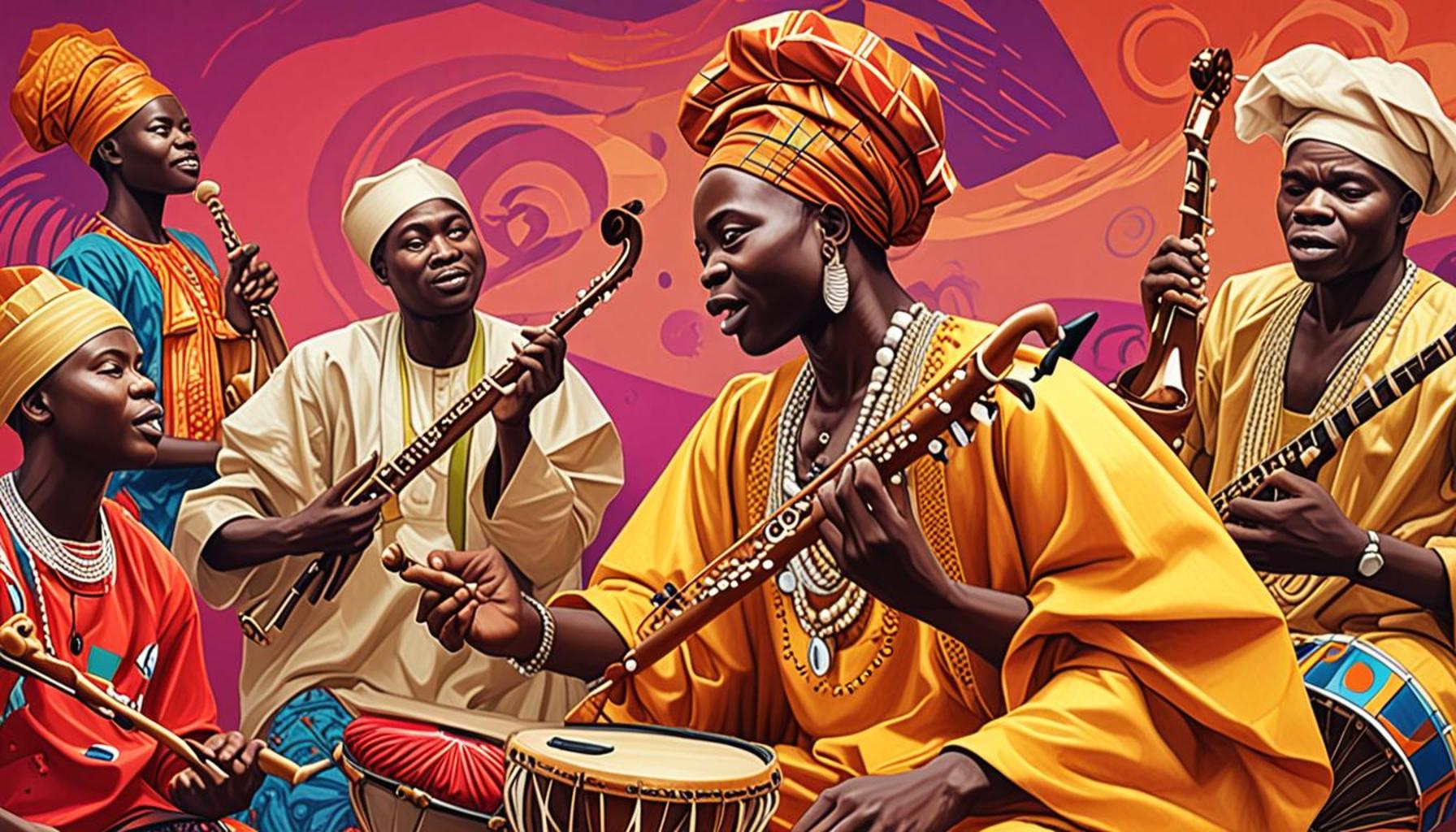
In Nigeria, music serves as a crucial element of cultural identity, deeply embedded in the social and spiritual lives of its people. Traditional music not only entertains but also conveys rich histories and cultural values that have been passed down through generations. Styles such as Fuji and Highlife are more than mere musical genres; they are vibrant testimonials of Nigeria’s diverse heritage. Each beat and melody carries the essence of ancestral teachings, resonating through modern compositions and influencing new artists across the country.
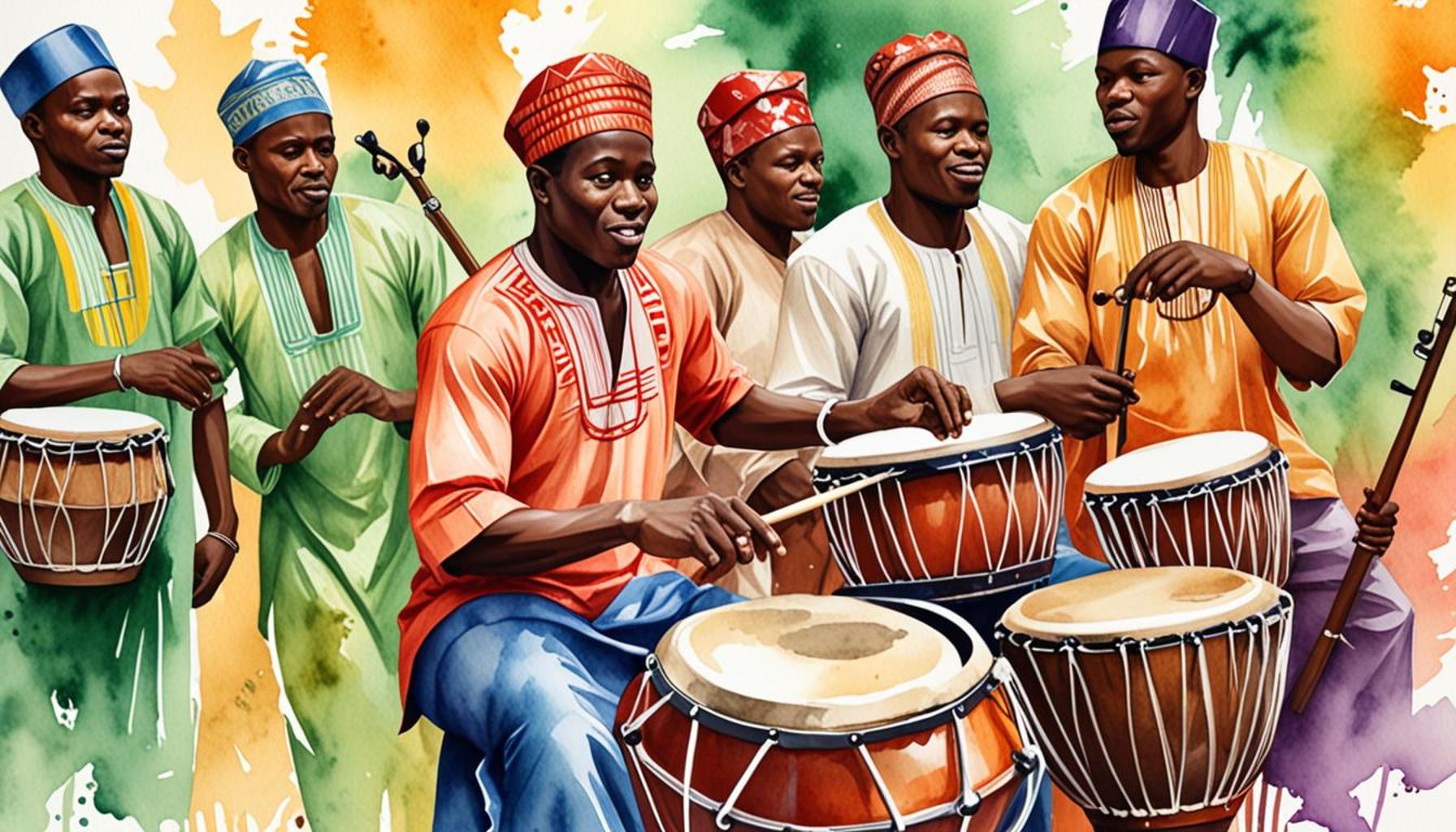
Young musicians are increasingly embracing their cultural roots, resulting in a fascinating blend of traditional elements and contemporary genres. This fusion has led to unparalleled creativity, where the nostalgic sounds of talking drums and shekeres meet beats inspired by hip-hop and R&B. This interplay creates unique musical expressions that reflect the contemporary Nigerian experience, which is as multifaceted as the nation itself.
Key Influences in Modern Nigerian Music
Several core elements characterize this vibrant musical landscape:
- Instruments: Traditional instruments such as organs, congas, and flutes are often incorporated into modern songs, grounding the music in local soundscapes while attracting a global audience.
- Storytelling: Many artists use their lyrics to weave narratives drawn from folk tales, local events, and proverbs. These stories provide insight into Nigerian life and culture, engaging audiences emotionally and intellectually.
- Dance: Live performances frequently include traditional dance forms that enhance the auditory experience. Dancers embody the rhythm and spirit of the music, creating a multi-sensory event that captivates both local and international audiences.
As we explore this vibrant musical scene, we find artists like Olamide and Wizkid who skillfully blend contemporary sound with traditional influences. Olamide’s songs often showcase elements of Yoruba folk music, while Wizkid’s work incorporates Afrobeat, paying tribute to legends like Fela Kuti. Their artistry serves not only to honor the past but also to pioneer sounds that resonate with the modern listener, paving the way for future generations.
This ongoing musical evolution invites curiosity about the next wave of Nigerian artistry. With the richness of traditional music as their foundation, how will these emerging artists further influence the global music scene? As musicians continue to explore and experiment, the legacy of Nigerian music remains a captivating narrative worth following.
RECOMMENDED: Check out this similar article
Cultural Roots in Modern Soundscapes
The influence of traditional music has taken a pronounced stance in the sound of contemporary Nigerian musicians, showcasing a powerful fusion that reverberates through both local and global spheres. As emerging artists explore the depths of their heritage, they are increasingly weaving traditional sounds into various modern genres, creating a rich tapestry of cultural expression. This blending, often characterized as a cultural renaissance, is not only a means of preserving musical identity but is also a critical channel for innovation and artistic evolution.
One of the most compelling aspects of this transformation is the revival of traditional instruments, which have long been integral to Nigerian musical heritage. The talking drum, for example, has found a prominent place in the music of contemporary artists. Known for its ability to imitate human speech, the drum adds an element of storytelling that is deeply rooted in Nigerian culture. Artists such as Tems and Adekunle Gold have skillfully infused these instruments into their projects, creating vibrant and complex soundscapes that both honor tradition and appeal to modern sensibilities.
Beyond instrumentation, the revival of traditional storytelling techniques is enriching the lyrical content of many songs. Artists are increasingly inspired by the oral histories, folklore, and proverbs passed down through generations, intricately weaving these elements into their music. This practice lends a greater depth to their narratives, connecting with listeners who share these cultural experiences. For instance, the acclaimed rapper M.I Abaga seamlessly blends local dialects and cultural references into his lyrics, forging a musical identity that resonates deeply with audiences across Nigeria.
- Diverse Inspirations: Across the Nigerian music landscape, artists are drawing from a spectrum of regional styles, such as juju, highlife, and Afrobeat. This fusion enriches their sound palettes, creating a dynamic auditory experience that celebrates the country’s diverse musical heritage.
- Lyrical Depth: The lyrical output of contemporary musicians often reflects pressing social issues and cultural narratives. By echoing themes found in traditional songs that reflect community values and struggles, these artists engage listeners on a profound level, encouraging critical thought and dialogue.
- Collaborative Efforts: Collaboration between contemporary artists and traditional musicians is becoming more common, resulting in innovative partnerships that bridge generational gaps. Such collaborations not only enhance musical diversity but serve as a celebration of Nigeria’s diverse cultural fabric.
In the age of digital connectivity, platforms such as Instagram and YouTube have played a crucial role in amplifying the voices of these new musicians, providing them with a global stage to showcase their craft. The melding of traditional and contemporary styles has sparked renewed interest in Nigeria’s rich cultural heritage, with artists gaining international recognition and accolades. The challenge moving forward lies in maintaining this momentum. Ensuring that traditional music continues to inspire future generations is essential for cultivating both creativity and cultural pride in the ever-evolving Nigerian music scene.
The Transformation and Fusion of Sounds
The evolution of music in Nigeria has been significantly influenced by traditional sounds, with new generations of musicians taking these local rhythms and melodies and intertwining them with contemporary genres. This fusion gives rise to unique musical styles that resonate with audiences both locally and internationally. The importance of traditional music as a foundation in this transformative process cannot be underestimated. It acts as a bridge connecting modern musicians to their cultural heritage, creating a distinct sound that reflects both modernity and tradition.
Local Instruments and Modern Techniques
Incorporating traditional instruments such as talking drums and shekeres into modern recordings showcases the diverse musical heritage of Nigeria. Artists like Burna Boy and Wizkid seamlessly integrate these instruments, maintaining the essence of traditional sounds while appealing to a global audience. This innovative blend enhances the depth of their music and serves as a reminder of the rich cultural roots of Nigerian music.
Cultural Identity and Global Appeal
The influence of traditional music extends beyond just sound. It embodies cultural identity, telling stories of heritage, struggles, and daily life in Nigeria. New musicians are using their platforms to address social issues and promote cultural pride through their crafts. This focus not only empowers them to stand out in the competitive music industry but also elevates traditional music to a global stage, captivating diverse audiences around the world with authentic narratives from Nigeria.
| Advantages of Traditional Music | Impact on New Nigerian Musicians |
|---|---|
| Cultural Heritage Preservation | Musicians are keeping rich traditions alive through their art. |
| Enhanced Creativity | Fusion creates unique sounds, attracting diverse audiences. |
In summary, the reverberations of traditional music can be felt throughout the works of emerging Nigerian artists. This intertwining not only enriches their music but also strengthens their connection to their roots, ensuring that the essence of their cultural identity is preserved and celebrated in an ever-evolving global landscape.
RECOMMENDED: Check out this similar article
Revitalizing Identity Through Musical Innovation
The resurgence of traditional music within contemporary Nigerian genres is more than a mere trend; it is a profound movement that seeks to reclaim and redefine cultural identity in a rapidly changing world. This phenomenon is particularly pertinent as young musicians navigate a globalized music industry while simultaneously grappling with their roots. By infusing traditional sounds and practices into their art, these artists are not only preserving their heritage but also crafting a modern narrative that reflects the complexities of contemporary Nigerian life.
Moreover, the role of music festivals in promoting traditional music cannot be understated. Events such as the Fela Kuti Festival and the Nigerian Music Awards often showcase a blend of traditional and contemporary sounds, providing a platform for artists to experiment with their cultural influences. Such events create a vibrant atmosphere where the infusion of genres flourishes, allowing musicians to gain exposure and recognition while connecting with younger generations. By featuring artists who blend traditional styles with modern beats, these festivals foster a sense of pride and curiosity about Nigeria’s rich musical heritage.
The impact of social media also cannot be overlooked. Platforms like TikTok and Twitter have emerged as powerful tools for artists to share their fusion of sounds with a vast audience, instantly gaining traction and sparking trends. For instance, the #AfrobeatsChallenge has prompted many young creators to incorporate traditional rhythms and motifs into their dances and videos, highlighting the relevance of traditional music in modern contexts. This digital movement facilitates a resurgence of interest in traditional music, drawing in listeners who might otherwise be disconnected from their cultural roots.
- Global Collaborations: More Nigerian musicians are collaborating with international artists, introducing traditional elements to a broader audience. Notable examples include Burna Boy and Wizkid, whose incorporation of indigenous styles into their music has secured them a significant place on the global stage, further demonstrating the universal appeal of traditional sounds.
- Educating Youth: Many contemporary Nigerian musicians are taking on the role of cultural educators, using their platforms to inform younger listeners about the significance of traditional music. Through workshops and programs, they encourage participation and exploration, aiming to instill a sense of pride and ownership in Nigeria’s musical legacy.
- Embracing Linguistic Diversity: The use of indigenous languages in songs serves as a way to reconnect with cultural heritage. Artists like Omah Lay and Joeboy often utilize local dialects, making their music more relatable and accessible to younger audiences, encouraging a linguistic revival alongside musical innovation.
As this cultural movement continues to blossom, it is evident that the influence of traditional music on new generations of Nigerian musicians transcends mere sound—it is a collective effort to preserve identity, foster creativity, and engage with the past in ways that resonate powerfully in the present. The Nigerian music landscape is a testament to this vibrant blend of old and new, a dynamic interplay that shapes the future of the nation’s rich musical heritage.
ADDITIONAL INSIGHTS: Expand your understanding here
Embracing Heritage in Contemporary Waves
In conclusion, the influence of traditional music on new generations of Nigerian musicians is a remarkable testament to the resilience and adaptability of cultural expression. As contemporary artists draw inspiration from their ancestral sounds, they are not merely revisiting history; they are redefining it through innovative blends that resonate with both local and global audiences. This intertwining of traditional rhythms and modern beats encapsulates a journey of exploration and identity, where young musicians proudly showcase their roots while navigating the complexities of today’s music landscape.
Furthermore, the rise of digital platforms and vibrant festivals plays a crucial role in this cultural renaissance, providing visibility and access to a diverse range of musical forms. As seen with collaborations among artists like Burna Boy and Wizkid, traditional music is gaining momentum on a global scale, proving that Africa’s rich sonic tapestry can seamlessly integrate into mainstream narratives. These developments encourage a renewed appreciation for indigenous sounds and languages, inspiring youth to participate actively in preserving their cultural legacies.
Ultimately, the fusion of traditional and contemporary elements in Nigerian music reflects a profound dialogue between past and future, underscoring the importance of heritage in forging new identities. As young musicians continue to innovate while honoring their traditions, the future of Nigeria’s vibrant musical heritage remains bright, promising continued growth and dynamic expression. This cyclical relationship invites audiences to explore, celebrate, and engage with their cultural identities, ensuring that the essence of traditional music endures for generations to come.