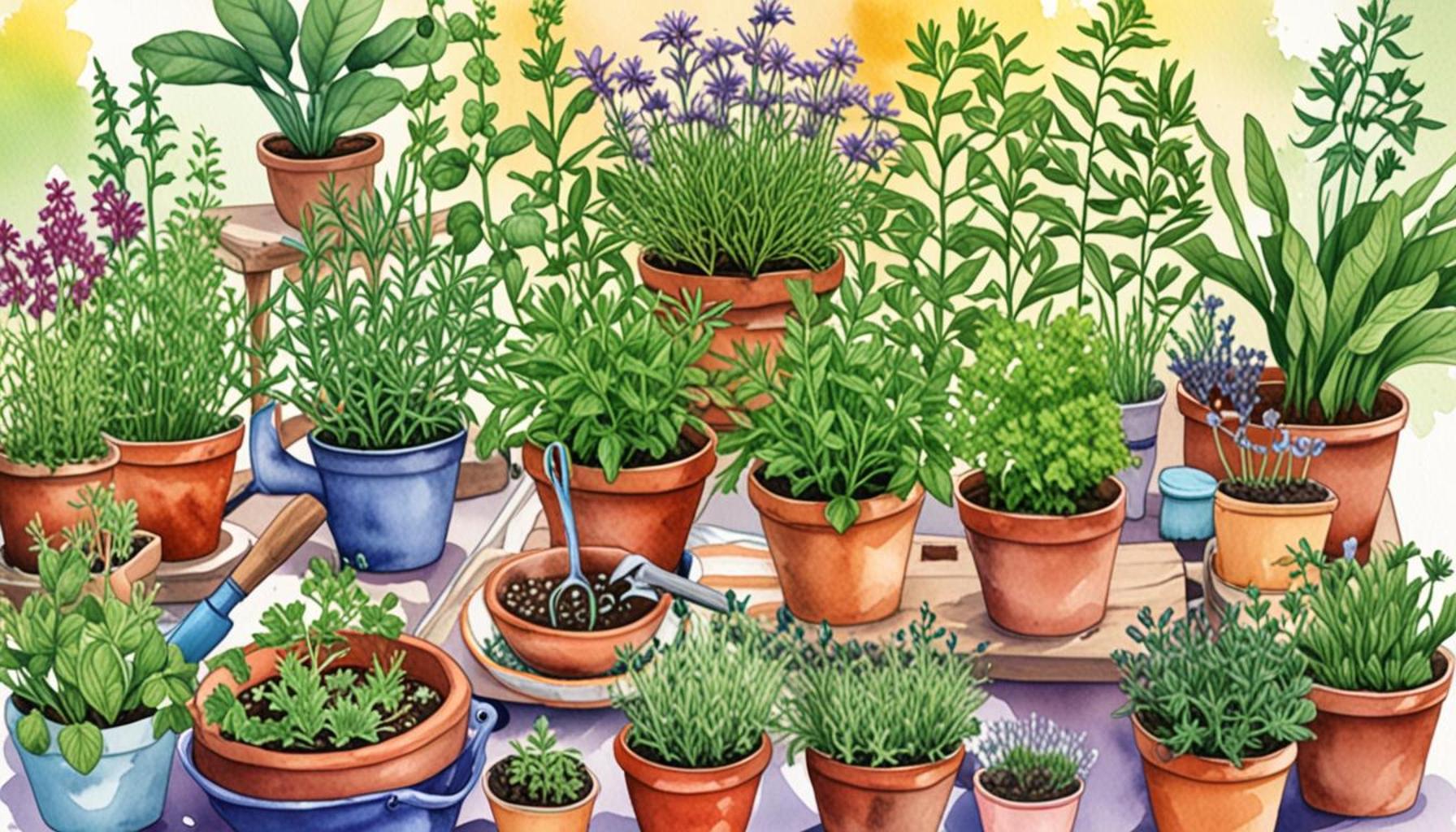
Gardening as a Tool for Promoting Environmental Education in Nigerian Schools
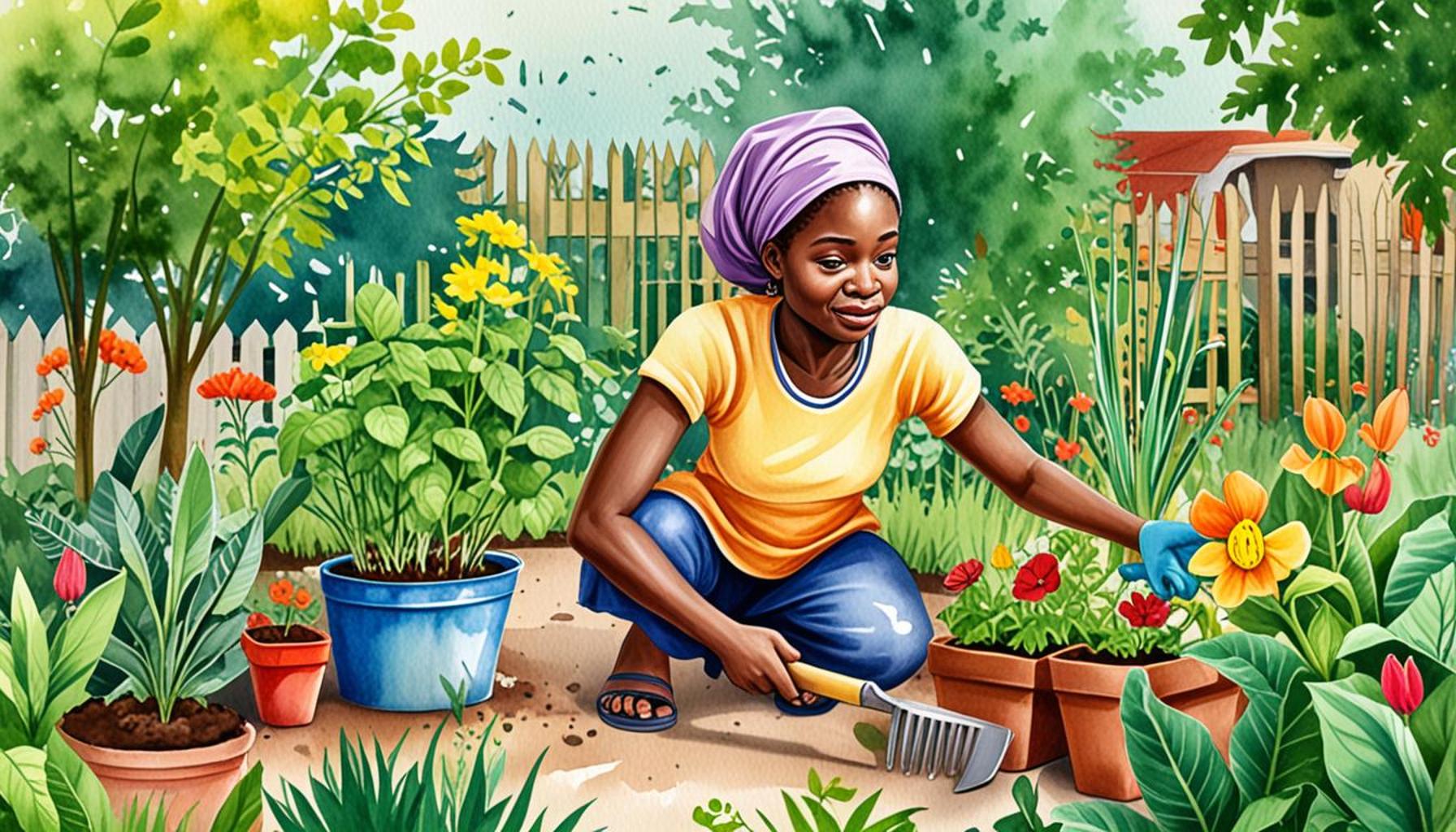
The Impact of Gardening in Education
In recent years, the practice of gardening has emerged as a vital tool for fostering environmental education, especially within Nigerian schools. Schools across the country are increasingly integrating gardening into their curricula, allowing students to connect with nature and understand environmental conservation firsthand. This initiative not only enhances their academic experience but also cultivates a generation that is conscious of environmental challenges.
The benefits of incorporating gardening into education are manifold:
- Hands-on Learning: Engaging students in practical activities enhances their learning experience. For instance, when children plant seeds and witness their growth, they gain a tangible understanding of plant biology and ecology. This immersive experience can solidify their knowledge in a way traditional classroom settings may fail to accomplish.
- Awareness of Biodiversity: Students learn about local plant species and ecosystems, increasing their appreciation for nature. Through school gardening programs, students can discover the variety of indigenous flora, such as the medicinal wonders of the neem tree or the nutritional benefits of okra, thus fostering a deeper connection to their environment.
- Sustainability Practices: Gardening teaches responsible resource management, such as composting and water conservation. Students engage in practices like recycling kitchen waste into compost, using drip irrigation systems, and employing organic pest control methods. This knowledge is crucial in combating issues like soil degradation and promoting ecological balance.
Furthermore, gardening initiatives can address pressing environmental challenges faced in Nigeria, such as deforestation, soil degradation, and food security. By participating in school gardens, students not only cultivate skills necessary for environmental stewardship but also develop critical thinking as they tackle real-world issues. For instance, imagine a classroom project where students design a garden that restores eroded soil while also growing vegetables to support their community. This practical application not only reinforces their learning but empowers them as agents of change.
As Nigerian educators explore innovative ways to promote sustainability, gardening stands out as an effective method to instill a sense of responsibility and care for the environment among the younger generation. Schools from Lagos to Kano have successfully incorporated garden clubs that not only teach students to plant but also to appreciate the ecological warriors like earthworms working beneath the soil. With ongoing commitment and support, this approach can significantly enrich the educational landscape in Nigeria, paving the way for a more sustainable future.
Ultimately, nurturing a garden may be among the simplest yet most impactful ways to enhance environmental awareness and education. As children dig their hands in the soil, they are not merely cultivating plants; they are growing into informed and responsible citizens equipped to tackle the environmental challenges of tomorrow.
RECOMMENDED: Check out this similar article
Integrating Gardening into the Curriculum
The integration of gardening into the educational curriculum within Nigerian schools is more than just a trend; it is an essential step towards fostering environmental education and awareness among the youth. As the adverse effects of climate change and environmental degradation become increasingly evident, educators are embracing gardening as a multi-faceted approach to education that spans various subjects including science, social studies, and health.
One of the remarkable aspects of school gardening programs is their ability to transcend traditional learning methods. Students learn by doing, cultivating a sense of responsibility and commitment to the environment. By joining garden clubs or participating in school-led initiatives, students engage in activities that not only reinforce classroom learning but also nurture soft skills such as teamwork, communication, and problem-solving.
Additionally, educational institutions are discovering how gardening can enrich diverse subject areas. Below are several key academic benefits associated with school gardening:
- Science and Biology: By taking care of plants, students explore the life cycle, photosynthesis, and plant taxonomy. This hands-on experience reinforces theoretical concepts that are often challenging to grasp through textbooks alone.
- Mathematics: Calculating areas for planting beds, measuring growth, and managing resources such as seeds and water introduce practical mathematics. Students enhance their numerical skills while understanding essential mathematical concepts in real-world contexts.
- Health Education: Through gardening, children are exposed to the nutritional benefits of fruits and vegetables. As they learn about healthy eating, they can also tackle issues such as childhood obesity, which is becoming a concern in urban centers like Lagos and Abuja.
- Environmental Studies: Garden projects allow students to analyze current environmental issues like soil erosion and water management. They gain a better understanding of their ecological footprint and the importance of biodiversity.
Furthermore, schools utilize gardens as platforms for community engagement. Local farmers and environmentalists can be invited to schools to conduct workshops and share their expertise, thus bridging the gap between academic learning and real-world applications. This approach not only enhances students’ understanding but also promotes a collaborative spirit within communities. For instance, a school can partner with local organic farmers to establish a community-supported agriculture program, educating students about sustainable farming practices while providing fresh produce for families in need.
As Nigerian educators and policymakers recognize the value of incorporating gardening into school curricula, there are ongoing efforts to provide support and resources for these initiatives. Various non-governmental organizations, along with government efforts, are beginning to recognize the importance of equipping schools with necessities like gardening tools, seeds, and soil types according to local climates. Such investments will ensure that students in urban and rural areas alike can access the profound benefits of gardening.
Ultimately, establishing gardening programs in schools not only enhances environmental education but also nurtures a generation empowered to create sustainable solutions for Nigeria. As students get their hands dirty and connect with the earth, they become part of a broader movement—one that aims to cultivate both gardens and environmentally conscious citizens.
| Advantage | Description |
|---|---|
| Hands-on Learning | Gardening activities provide students with practical experience in ecology, biology, and sustainability principles, making the learning process engaging and impactful. |
| Promotes Biodiversity | Incorporating diverse plants in school gardens helps promote local biodiversity, enhancing students’ understanding of ecosystems and their roles in environmental health. |
| Community Engagement | Gardening projects can involve parents and local communities, fostering a sense of collaboration and shared responsibility for the environment. |
| Health Benefits | Working in the garden encourages physical activity, promotes mental well-being, and fosters a greater appreciation for healthy, home-grown food. |
Gardening in schools serves as an effective catalyst for promoting environmental education. By integrating practical gardening activities into the curriculum, educators can enhance students’ understanding of important concepts related to ecology and sustainability. Beyond academic learning, such initiatives also encourage hands-on experiences, enabling students to connect theoretical knowledge with real-world activities.Furthermore, by promoting biodiversity in school gardens, students gain insights into the significance of various plant species within ecosystems. This hands-on connection augments their appreciation for environmental preservation and the role of diverse organisms in ensuring ecological balance. Community engagement extends the benefits of gardening beyond the classroom, allowing parents and local residents to actively participate in school projects. This creates a unified front in environmental efforts, raising awareness and stewardship in the surrounding community. Not to be overlooked, cultivating gardens provides health advantages, encouraging students to explore nutrition through the cultivation and consumption of home-grown produce, promoting overall well-being. Together, these advantages form a holistic approach to fostering an environmentally conscious generation through gardening initiatives in Nigerian schools.
LEARN MORE: This related article may interest you
Enhancing Biodiversity and Sustainability through School Gardens
Implementing gardening programs in Nigerian schools not only serves as a conduit for environmental education but also plays a critical role in enhancing biodiversity and promoting sustainability. In a country where urbanization and deforestation threaten ecosystems, school gardens can function as vital green spaces that help preserve local flora and fauna while educating students about ecological balance.
One of the most significant outcomes of school gardening initiatives is increased awareness of biodiversity. Students can learn about native plants and animals, understanding their roles in the ecosystem. For example, by incorporating indigenous plants into their gardens, students are not only preserving local species but also providing habitats for pollinators and other wildlife. This hands-on involvement cultivates a stronger connection to biodiversity, pushing students to advocate for the preservation of their natural surroundings.
Moreover, gardening facilitates the practice of sustainable methods, such as organic gardening and permaculture. These methods emphasize the importance of maintaining healthy soil, conserving water, and minimizing pesticide use. By employing practices such as composting kitchen scraps and collecting rainwater for irrigation, students gain practical insights into sustainable living. Such experiences empower them to make environmentally friendly choices in their homes and communities, thus extending the impact of their education beyond the classroom.
Schools can further enrich their gardening programs by integrating environmental assessment activities such as conducting soil tests or monitoring local weather patterns. These real-life applications enable students to appreciate the importance of environmental data in shaping effective gardening practices. Understanding how local climate conditions affect growth and biodiversity fosters analytical thinking and a scientific approach to problem-solving.
- Climate Change Awareness: Gardening also presents an excellent platform for discussing climate change and its local ramifications. Students can engage in conversations about the climate crisis, learning about carbon footprints, greenhouse gases, and local biodiversity loss. This knowledge positions them as advocates for sustainable practices and environmental justice in their communities.
- Food Security: Through gardening, students explore the concept of food security and its relevance in Nigeria. With a significant portion of the population reliant on agriculture, understanding the dynamics of food production can prompt students to initiate projects aimed at improving food access where it is needed most. School gardens can serve as a model for local farming practices, encouraging students to think critically about food systems.
- Health and Well-being: The physical and psychological benefits of gardening, especially for children, cannot be overstated. Engaging with nature enhances mental health and can serve as a stress-reliever, allowing students to develop emotional resilience. This is crucial in today’s fast-paced world where mental health issues among youth are on the rise.
Governments and educational bodies are beginning to recognize the importance of developing comprehensive guidelines for school gardening initiatives. With programs such as the Nigeria Agricultural Policy encouraging agricultural education, there is potential for increased funding and resources targeted at developing school gardens nationwide. Collaborations with environmental NGOs could broaden resource access, ensuring that students are equipped with the necessary tools for successful gardening endeavors.
Moreover, as schools create partnerships with local communities, these gardening initiatives can serve as a blueprint for aspiring young environmentalists. Engaging with local experts can amplify knowledge-sharing and inspire a culture that values sustainability, rooted in the recognition of the interconnectedness of all living things.
YOU MAY ALSO LIKE: Read read another article
Conclusion: Empowering Future Generations through Gardening Education
As we reflect on the profound impact of gardening programs within Nigerian schools, it becomes evident that these initiatives are not merely about cultivating plants, but rather about nurturing a generation of environmentally conscious citizens. School gardens serve as a dynamic learning environment where students can engage actively with pressing issues such as biodiversity conservation, sustainability, climate change, and food security. By fostering hands-on experiences in gardening, schools empower students with knowledge and skills that extend far beyond the classroom, encouraging them to adopt environmentally sustainable practices in their daily lives.
Moreover, the integration of gardening into the educational curriculum facilitates vital discussions around local ecological challenges and inspires critical thinking regarding the preservation of Nigeria’s rich natural heritage. With increasing support from governmental programs such as the Nigeria Agricultural Policy, educators can access resources to enhance these gardening initiatives, promoting partnerships between schools and local communities. Such alliances can amplify knowledge-sharing, creating a culture of sustainability that is crucial for the future of the environment.
In conclusion, gardening as a tool for environmental education holds immense potential to cultivate not just plants but also stewardship for the planet among young Nigerians. As they dig their hands into the soil, students are not only learning about plant biology and ecosystem dynamics; they are also developing a profound respect for the environment that will empower them to advocate for a sustainable future. Therefore, investing in gardening education is an investment in the future health of both our youth and the planet they inhabit.