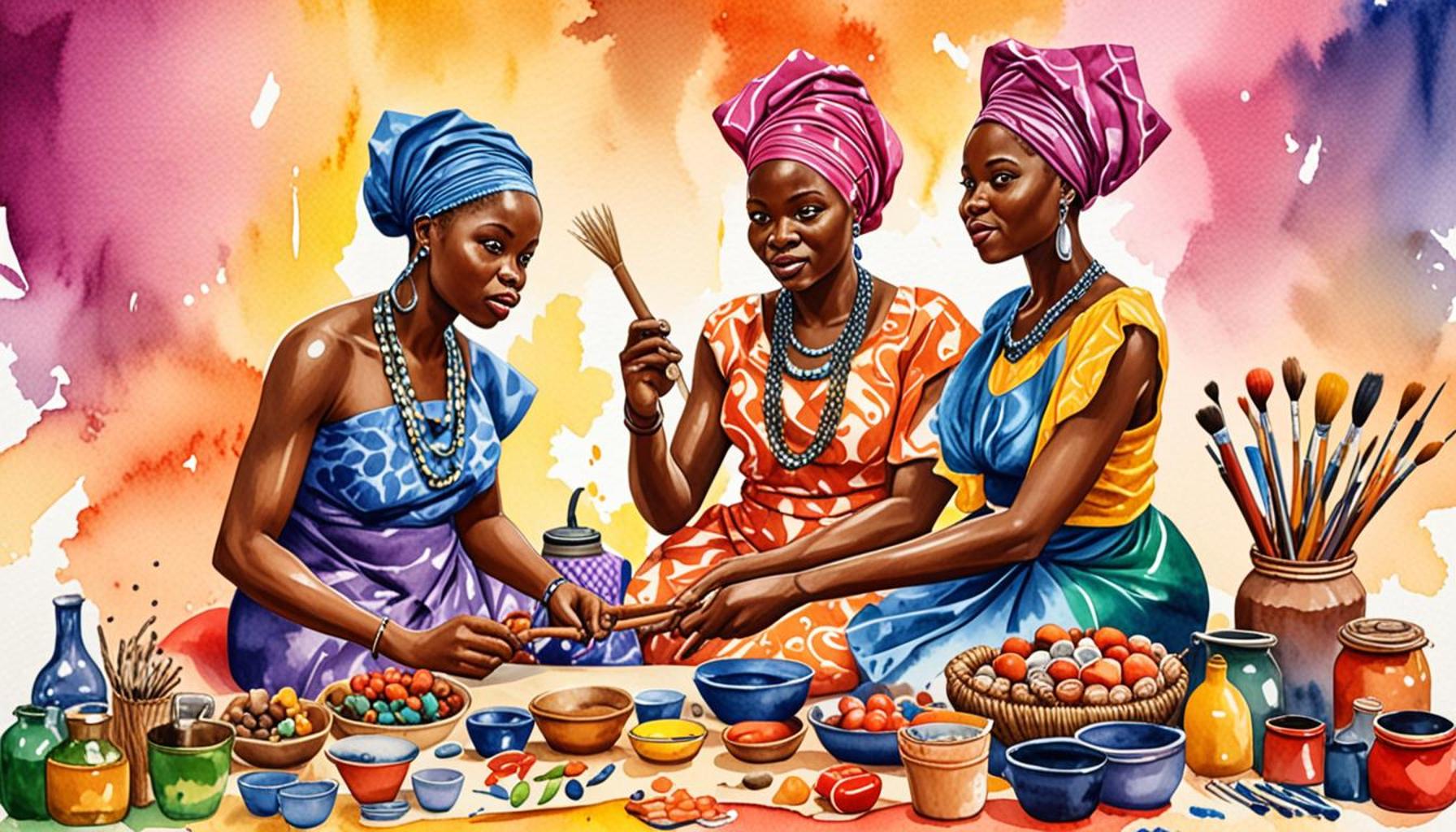
The Influence of Traditional Nigerian Art on Contemporary Craft Practices
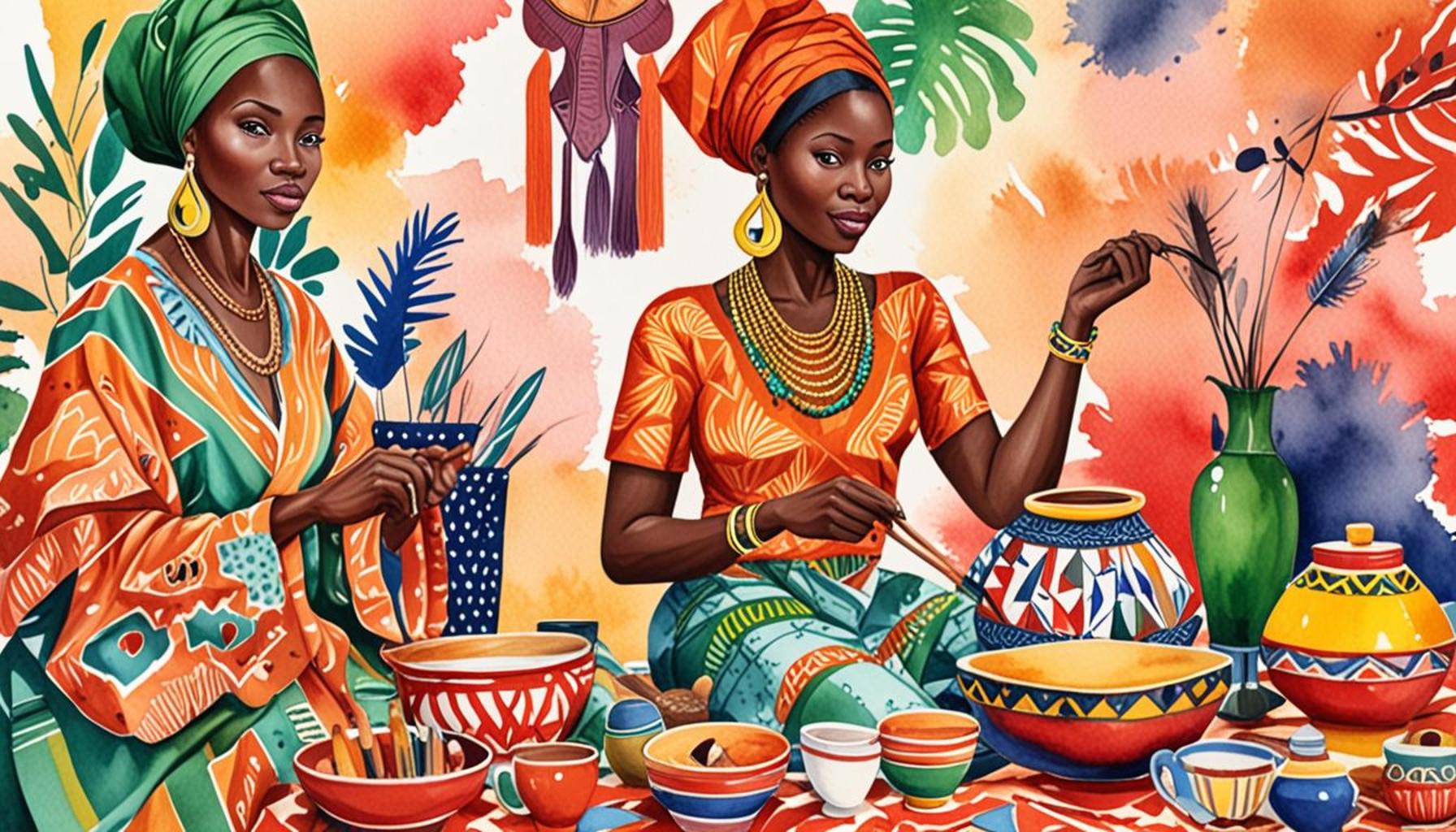
Introduction to Nigerian Art and Craft Practices
Nigerian art boasts a profound history that significantly influences both local artisans and the global art scene. The vibrant colors, intricate patterns, and rich symbolic representations inherent in traditional Nigerian art continue to inspire contemporary craft practices around the world. This fascinating blend of the ancient and modern creates a compelling dialogue that highlights the seamless integration of historical techniques and innovative creativity.
The Cultural Significance of Craft Practices
Craft practices in Nigeria are deeply woven into the fabric of cultural heritage, reflecting the uniqueness of different ethnic groups and their histories. Elements such as:
- Mask making: Traditional masks hold profound significance beyond their aesthetic appeal. They serve as vital cultural artifacts that tell stories of ancient communities, often representing deities, ancestors, or historical figures. Each mask is imbued with meanings that connect the present to the past, showcasing ritualistic practices in festivals and ceremonies, especially among the Yoruba and Igbo cultures.
- Beadwork: This intricate craft highlights the importance of beads in expressing identity and social status. In many Nigerian societies, beadwork is not merely decorative but signifies a person’s lineage, marital status, and even social standing. Beaded necklaces and accessories are used in ceremonies, and the artistry can be seen during weddings and traditional rites, making them a vital form of cultural expression.
- Textile design: Fabrics like Aso Oke, a handwoven textile from the Yoruba people, showcase artistic skills that have been passed down through generations. Traditionally worn during special occasions, Aso Oke embodies cultural narratives and is often adorned with intricate patterns and colors that convey different messages. The resurgence of interest in these textiles among modern designers demonstrates the adaptive nature of Nigerian art.
Exploration of Identity and History
By embracing these traditional elements, contemporary artists are increasingly able to explore themes of identity, history, and societal change. The use of local materials in modern designs reinforces the connection to Nigeria’s past and deepens the appreciation for cultural narratives. For instance, artists might use locally sourced clay or natural dyes in their work, creating pieces that are both innovative and rooted in tradition.
The Global Recognition of Nigerian Heritage
Intriguingly, the global art community is beginning to recognize the intrinsic value of these traditional craft techniques. Exhibitions and collaborations featuring Nigerian artists allow for a broader audience to connect with these rich cultural narratives. As contemporary craft practices evolve, they continue to pay homage to the diverse tapestry of Nigeria’s artistic heritage, urging a deeper exploration of this fusion between the old and the new.
This dynamism is evident in art galleries and markets across Nigeria, where traditional craftsmanship coexists with innovative designs. Local artisans, adapting to contemporary trends while honoring their heritage, are redefining what it means to be an artist in today’s world. The narrative of Nigerian art is not just a story of the past; it is an ongoing journey of exploration and expression, inviting everyone to delve into its vibrant world.
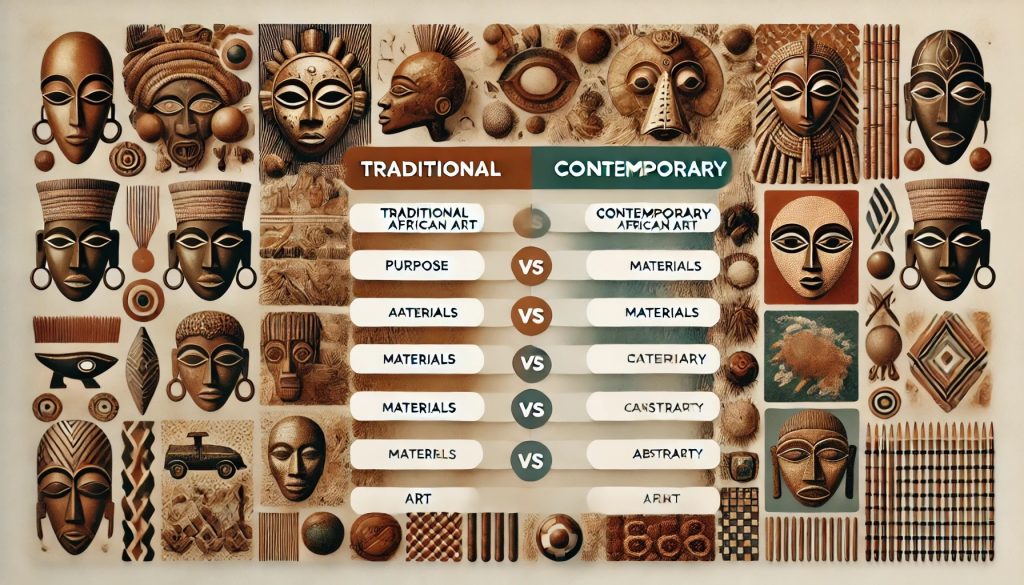
ADDITIONAL INSIGHTS: Expand your understanding here
Adapting Traditional Techniques to Modern Contexts
The influence of traditional Nigerian art on contemporary craft practices is vibrant and undeniably relevant in today’s artistic landscape. As modern artisans seek to create unique identities in their work, they frequently turn to age-old techniques, materials, and themes, forging a direct lineage to their cultural heritage. This artistic evolution showcases how the past can inform the present and shape the future.
One notable manifestation of this transition is seen in various art forms. For instance:
- Wood Carving: Traditional wood carving is a hallmark of many Nigerian cultures, particularly the Ekiti and Yoruba people. Artisans are revitalizing this age-old practice by integrating contemporary themes, creating pieces that reflect modern societal issues while paying homage to the ancestral styles that inform their craft.
- Pottery: Historically, pottery-making served practical purposes, but today’s craftspeople are experimenting with unorthodox shapes and glazes that resonate with contemporary aesthetics. By blending traditional techniques with modern designs, they produce functional yet artistic pieces that appeal to both local and international markets.
- Jewelry Making: The influence of traditional beadwork can be seen in modern jewelry designs that incorporate local materials like coral, gold, and amber. Designers are infusing cultural motifs into their pieces, thus appealing to consumers searching for a connection to their roots. This practice not only preserves traditional style but also finds a place in high fashion and luxury markets.
The integration of such diverse elements serves a dual purpose. Firstly, it nostalgically evokes a sense of communal identity in a rapidly globalizing world, facilitating a deeper understanding of Nigeria’s artistic values and history. Secondly, it empowers artisans to navigate the economic challenges faced in contemporary times by appealing to broader audiences who appreciate cultural originality and craftsmanship.
Innovations Inspired by Cultural Heritage
Contemporary craft practices are not solely a replication of traditional methods; they are also innovative reimaginings of what these practices can represent. Artists are using traditional techniques as a foundation to challenge societal norms and provoke dialogue. For instance, current textile artists are taking inspiration from the intricate patterns of traditional Nigerian fabrics like Adire and Aso Oke, but reinterpreting them in contemporary contexts to address issues such as gender, politics, and identity.
The use of innovative dyes and techniques allows for a fusion of old and new, enabling artisans to experiment with textures and designs that foster creativity. As these contemporary pieces gain traction in art festivals and exhibitions, they foster a renewed interest in traditional craftsmanship among younger artists and enthusiasts.
The presence of contemporary art markets and online platforms has allowed for a greater exchange of ideas, further driving the conversation around cultural significance. By showcasing the depth and complexity of Nigerian traditions, contemporary artisans can attract global interest while preserving the unique narratives that define their craft. The influence of traditional Nigerian art serves as an anchor for these evolving practices, enriching them with cultural depth and authenticity that resonates far beyond geographical borders.
The Influence of Traditional Nigerian Art on Contemporary Craft Practices
In exploring the captivating world of contemporary craft practices, one cannot overlook the rich heritage of traditional Nigerian art. This historical context serves not only as a foundation but also as a wellspring of inspiration for modern artisans. By incorporating indigenous techniques and motifs, today’s creators breathe new life into age-old traditions, fostering a dynamic dialogue between the past and present.
| Advantage | Description |
|---|---|
| Cultural Preservation | Integrates and maintains traditional techniques and narratives. |
| Innovation and Authenticity | Fusion of traditional motifs with contemporary design elements leads to unique artworks. |
In this continuous exchange, traditional materials, such as adire fabric and wood carving, find their place in contemporary fashion and decor, making them more accessible to a global audience. The aesthetic richness is further enhanced as artists play with color, form, and functionality, creating pieces that are not only attractive but also carry deep meaning and cultural significance.
Furthermore, collaborative projects between contemporary artists and traditional artisans are emerging, opening doors for cross-generational mentorship. This synergy helps craft a narrative that is inclusive and multifaceted, emphasizing the essential role of community in art-making. Through workshops and exhibitions, there is a growing appreciation and understanding of Nigerian art forms, reshaping perceptions both locally and internationally.
The impact of traditional Nigerian art on contemporary practices is profound, fostering a deeper connection to cultural identity while pushing boundaries. This vibrant interplay showcases the resilience of craft traditions amidst a rapidly changing world, proving that art transcends time and geography.
YOU MAY ALSO LIKE: Read read another article
Revitalizing Cultural Narratives through Craft
In the realm of contemporary craft, the revitalization of cultural narratives is playing a pivotal role in bridging the past with present-day expressions. Artists and artisans from Nigeria recognize that their work is not merely about aesthetic appeal; rather, it is a conduit for storytelling and cultural transmission. This understanding propels them to explore the layers of meaning embedded in traditional practices while innovating to remain relevant in a modern context.
One area where this is particularly evident is in textile art. Textiles in Nigeria, such as the kente cloth and adire, are steeped in symbolism and history. Contemporary textile artists are harnessing these rich narratives to create modern pieces that reflect personal experiences and societal issues. For example, by employing traditional weaving techniques alongside modern digital printing technologies, artisans bring forth a striking juxtaposition of old and new that invites dialogue about the evolution of identity in a globalized world.
Moreover, artists are increasingly turning to mixed media as a means to express the fluidity of cultural boundaries. By incorporating unconventional materials such as recycled items, plastics, and metal scraps alongside traditional materials, they are forging innovative artworks that challenge the perceptions of what constitutes cultural art. This departure from the purely traditional showcases adaptability in their practice while highlighting critical issues related to sustainability and consumerism.
A fascinating example of this phenomenon is seen in the renaissance of the Oyo bata drums, where contemporary artisans not only craft musical instruments but also incorporate vibrant colors and artistic designs in a fusion of traditional Yoruba craftsmanship with contemporary aesthetics. These creations carry not just a musical purpose but also serve to celebrate the cultural heritage of Nigeria, offering insight into the nation’s historical rhythms and communal gatherings.
The intersection of art and technology is another avenue where contemporary Nigerian artists are making waves. The advent of social media platforms has given rise to new opportunities for artists to showcase their craft to a global audience. Artists are leveraging digital illustrations alongside traditional techniques to tell stories in ways that resonate with current issues like social justice, environmental challenges, and gender equality. This practice not only appeals to younger generations but also fosters a sense of community as artists share their processes and successes online.
Additionally, resurgent platforms for local craft markets and fairs facilitate the interaction between artisans and consumers. These marketplaces provide a stage for artisans to present their works while engaging in storytelling, thus emphasizing the cultural narratives behind each piece. This dynamic exchange fosters appreciation and understanding, showcasing the cultural richness ingrained in Nigerian art and craft practices.
As the synergy between traditional and contemporary evolves, it becomes clear that the influence of traditional Nigerian art extends beyond aesthetic considerations. It embodies a profound connection to identity, cultural heritage, and the quest for relevance in an increasingly modern world. This ongoing evolution is not just about preserving techniques; it’s about reinterpreting them, ensuring that they resonate with today’s audiences while affirming a sense of place and belonging in their cultural journeys.
RECOMMENDED: Check out this similar article
Conclusion: A Tapestry of Tradition and Innovation
In examining the influence of traditional Nigerian art on contemporary craft practices, we unveil a dynamic interplay between heritage and modernity that is shaping the art landscape in Nigeria today. Artists are not merely replicating traditional methods; they are innovating and interpreting these techniques, merging them with personal narratives and pressing societal issues. This evolution is evident across diverse mediums—from textiles like kente cloth and adire that speak volumes about identity, to mixed media that challenge conventional outlooks while promoting sustainability.
The renewed interest in traditional tools, such as the Oyo bata drums, exemplifies how artisans are infusing contemporary aesthetics while celebrating their cultural heritage. Furthermore, the merging of art and technology, particularly through digital platforms, has provided an unprecedented opportunity for artists to reach global audiences and foster a vibrant online community centered on artistic growth and cultural exchange.
As local marketplaces thrive and storytelling becomes an integral part of the craft experience, today’s artisans propel Nigerian narratives into the contemporary realm, encouraging appreciation for the past while inviting discussions on future trajectories. This crafting of identity and communal connection, grounded in tradition yet lived in the present, ensures that the cultural heartbeat of Nigeria beats stronger than ever. In this rich tapestry of art, we find not just a reflection of history, but a vibrant expression of hope, resilience, and the infinite possibilities that lie ahead.