Culinary Therapy: The Emotional and Mental Benefits of Cooking in Nigeria
The Intersection of Culinary Arts and Emotional Well-Being
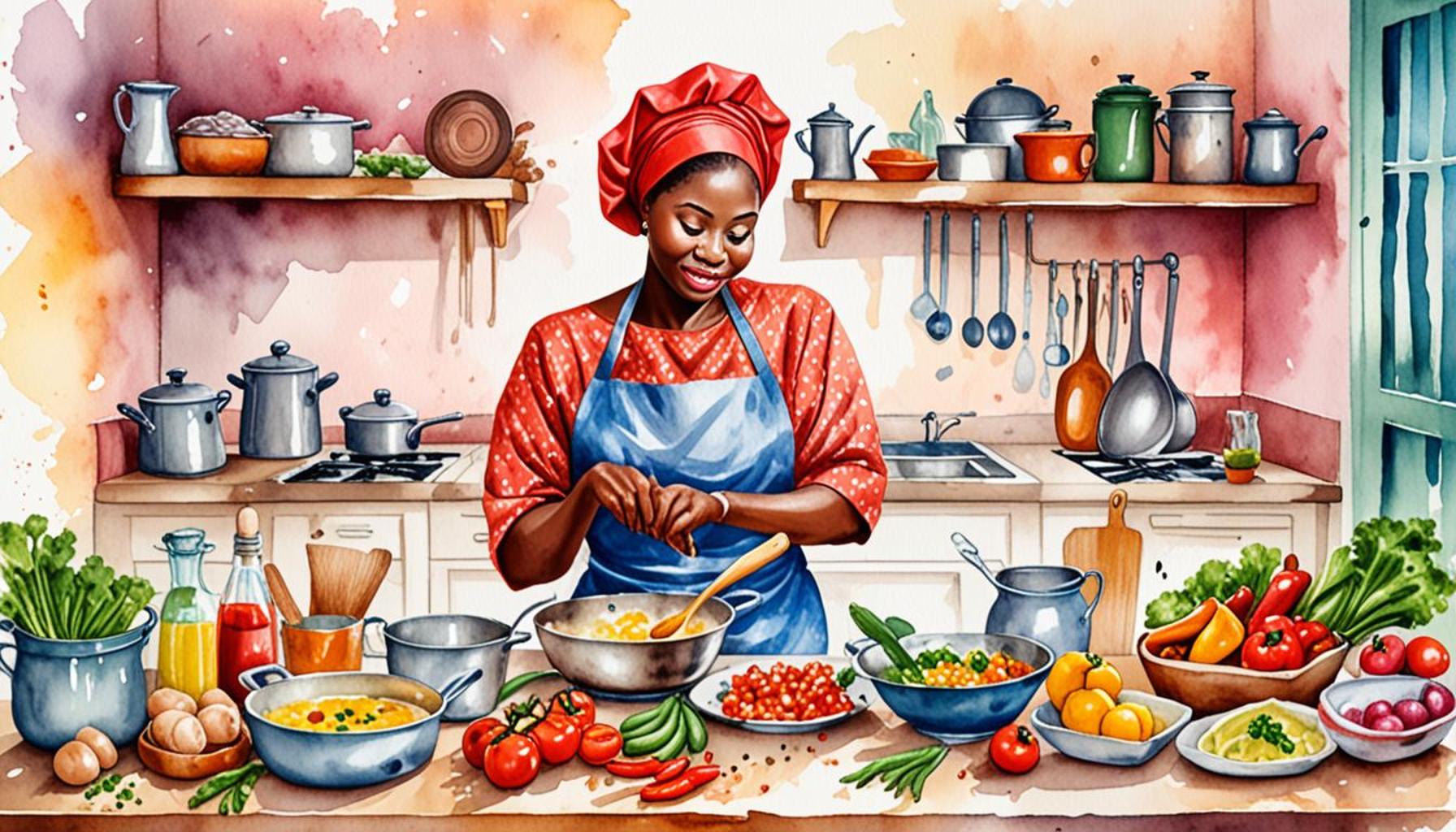
In Nigeria, the kitchen is often regarded as the heart of the home—not merely a space for cooking but a vital arena where culture, tradition, and community converge. The practice of preparing meals extends far beyond preparing food; it cultivates a sense of belonging and provides a unique form of therapy. The burgeoning field of culinary therapy highlights this connection, shining a light on how cooking can be an avenue for emotional and mental healing. This growing recognition of cooking as a therapeutic activity has both cultural and psychological implications for many Nigerians.
One of the primary benefits of engaging in cooking is mindfulness. The process of preparing traditional dishes requires concentration and presence, allowing individuals to immerse themselves in the here and now. Focusing on the rhythm of chopping vegetables, stirring stews, or measuring spices can significantly divert attention from anxieties and stressors. Research indicates that such mindful activities can lower cortisol levels, which are often linked to increased stress.
Moreover, the aspect of creativity in cooking cannot be overlooked. Nigerians have a rich culinary heritage that offers a plethora of local ingredients to experiment with—think of the versatile yam, the sweet plantain, or the robust array of spices like pepper and ginger. When individuals venture beyond traditional recipes to invent their own dishes, they not only express their creativity but also cultivate a sense of ownership and personal satisfaction that can boost self-esteem.
The benefits of culinary therapy extend beyond the individual; they encapsulate community connection as well. In Nigeria, sharing meals is a communal experience, often accompanied by storytelling, laughter, and strengthening of social bonds. For instance, during festivities like the vibrant New Yam Festival, the act of sharing jollof rice and fried plantains with family and friends fosters unity and togetherness. These moments reinforce relationships and remind individuals of their cultural roots, which can be incredibly grounding during challenging times.
Additionally, the sensory experiences involved in cooking engage multiple senses, offering a holistic approach to emotional wellness. The tantalizing aroma of a traditional Nigerian dish like egusi soup can evoke past familial gatherings, while the vibrant colors of fresh vegetables like ugwu (pumpkin leaves) can stimulate positive feelings. These sensory cues can act as powerful triggers for joy, nostalgia, and comfort, further contributing to emotional healing.
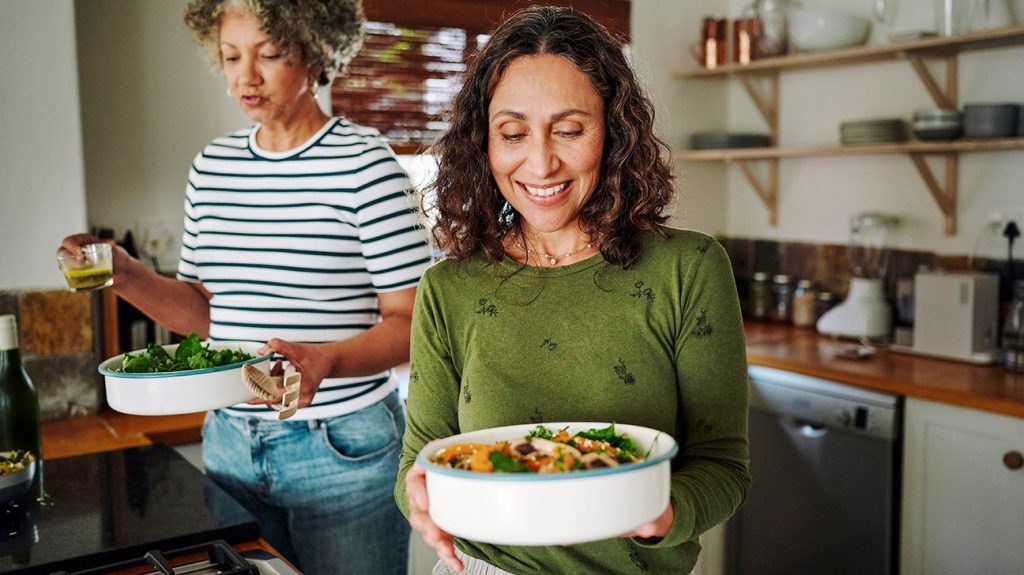
As the concept of culinary therapy gains momentum, it holds promise for countless Nigerians searching for healing within the confines of their kitchens. By understanding and appreciating how cooking influences emotional health, individuals can forge new habits that blend traditional culinary practices with contemporary mental health strategies. This fusion not only honors Nigeria’s rich heritage but also champions the idea that food can nourish both the body and the soul.
LEARN MORE: This related article may interest you
Rediscovering Joy Through Cooking
The act of cooking has long served as a refuge from the chaos of daily life, particularly in Nigeria, where bustling markets and vibrant neighborhoods paint a vivid picture of culinary diversity. Culinary therapy not only focuses on the joy of creation but also aids in emotional regulation and mental clarity. For many Nigerians, cooking is a cherished ritual—a time when individuals can carve out tranquility amidst the noisy backdrop of city life or the familiar hum of rural existence.
In this fast-paced world, the repetitive motions of cooking can bring a deep sense of comfort. The process requires engaging with the five senses, from the sound of a sizzling pot to the tactile experience of kneading dough. Each phase of the cooking journey—from gathering ingredients to the final presentation—provides a structured and engaging task-oriented experience. This structure can be especially beneficial for individuals facing anxiety or depression, as it encourages focus and a sense of accomplishment.
Moreover, the integration of cooking into self-care routines provides numerous mental health benefits. Here are some key aspects of how culinary therapy fosters emotional wellness:
- Stress Relief: The act of chopping, stirring, and simmering can serve as a form of meditation, allowing individuals to offload pent-up tension and emotional burdens.
- Creativity: Experimenting with local ingredients, such as cassava and groundnut, fosters a spirit of innovation. This creative outlet can lead to a profound sense of euphoria as individuals discover new flavors and combinations.
- Nutrition Awareness: Cooking encourages a deeper understanding of food, fostering healthier eating habits that contribute positively to overall mental health.
- Establishing Rituals: Developing regular cooking routines can create a reliable source of stability in life. These rituals offer a sense of control that is particularly comforting during challenging times.
Culinary therapy also offers a unique opportunity to connect with one’s heritage. The preparation of traditional dishes, such as pepper soup or pounded yam, becomes a means of preserving cultural identity. This reconnection to heritage can anchor individuals during periods of uncertainty, granting them reassurance and emotional strength. Families often gather to share recipes passed down through generations, allowing for shared storytelling and communal bonding. In turn, these shared experiences contribute to a sense of belonging, essential for emotional resilience.
As culinary therapy continues to gain traction across Nigeria, it underscores the profound impact that cooking can have on mental health. By inviting individuals to delve deeper into the art of cooking, we can explore not only the therapeutic benefits of this form of engagement but also pave the way toward a healthier, emotionally balanced society. Understanding the roles that creativity, structure, and cultural identity play in cooking can lead to lasting change, transforming the kitchen into a sanctuary for healing.
| Advantage | Description |
|---|---|
| Stress Relief | Cooking acts as a therapeutic process that can alleviate stress levels by engaging the mind and focusing on the sensory aspects of food preparation. |
| Creativity Boost | Exploring new recipes and flavors enhances creativity, allowing individuals to express themselves and discover a sense of accomplishment in crafting dishes. |
| Connection to Culture | Cooking traditional Nigerian meals strengthens cultural identity and fosters connection with family, bringing people together through shared culinary experiences. |
| Mindfulness | The process of preparing meals encourages mindfulness, making individuals more aware of their surroundings and mental state, which promotes emotional well-being. |
Culinary therapy is not merely about nourishing the body; it intertwines with the emotional and mental realms, offering significant benefits to those who embrace the art of cooking. In Nigeria, the rich culinary tradition provides a unique backdrop for this therapeutic experience. Engaging in cooking can uplift one’s mood, foster joyful memories, and even serve as a form of self-care. As individuals immerse themselves in the vibrant colors and aromas of their ingredients, they are not just preparing a meal; they are crafting a sense of identity and togetherness. From communal cooking gatherings to the discovery of new culinary techniques, the experience is both enriching and fulfilling. Exploring the emotional and mental benefits of cooking can lead to a deeper understanding of how this activity nurtures not just physical health but also mental stability, offering meaningful ways to cope with life’s challenges in today’s fast-paced world.
SEE ALSO: Click here to read another article
Cooking as a Form of Community Healing
In Nigeria, the bonds forged through the communal act of cooking often serve as an essential pillar for emotional support. Community gatherings centered around food preparation, such as the local Owambe celebrations or family potlucks, not only celebrate culinary traditions but also foster a sense of belonging and collective resilience. When individuals come together to cook and share meals, it creates a platform for open communication and bonding, allowing people to express their feelings and experiences in a relaxed environment.
Studies suggest that shared culinary experiences can significantly improve mental health outcomes. In the Nigerian context, communal cooking encourages social interaction, which is vital for combating feelings of isolation and loneliness. One striking example is the way women often gather in groups to prepare dishes for community events, where they support each other emotionally while engaging in the healing act of cooking. This phenomenon reflects the traditional value placed on community and kinship, turning the kitchen into a therapeutic space imbued with collective wisdom and shared laughter.
Moreover, the concept of therapeutic cooking programs is gaining traction as mental health initiatives in Nigerian communities. Empowering individuals through cooking classes that emphasize self-expression and stress relief serves not only to enhance culinary skills but also to improve mental well-being. These programs often incorporate local ingredients and traditional recipes, allowing participants to reconnect with their roots while gaining confidence in the kitchen. The act of cooking becomes not just an escape, but a form of emotional expression, enabling individuals to reconnect with their inner selves.
A compelling component of culinary therapy is its ability to address food scarcity issues while simultaneously promoting mental health. In urban areas like Lagos or Kano, where residents face economic pressures, cooking can serve as a creative outlet that encourages resourcefulness. For instance, transforming leftover ingredients into new dishes not only minimizes waste but also inspires feelings of achievement and adaptability. This reinforces the idea that culinary therapy can provide practical solutions for everyday challenges while enhancing emotional resilience.
Furthermore, home gardening initiatives have started to emerge, allowing Nigerians to cultivate their own herbs and vegetables, thus pairing gardening with cooking as a dual therapeutic practice. The act of nurturing plants can be immensely soothing, providing individuals an opportunity to engage with nature while also enhancing the quality of their meals. Research indicates that tending to a garden can lower cortisol levels (the stress hormone), leading to improved mood and mental clarity.
Culinary therapy holds the potential to transform not only individual lives but entire communities in Nigeria. By recognizing the social, cultural, and psychological benefits of cooking, we can unlock coping mechanisms that elevate emotional health. From teaching culinary skills that extend beyond mere cooking to offering opportunities for social engagement and support, the kitchen can serve as a sanctuary of healing where individuals can nourish both body and soul. By embracing these practices, Nigeria can pave the way toward enhanced mental health amidst its vibrant culinary landscape.
ADDITIONAL INSIGHTS: Expand your understanding here
Conclusion
As we have explored, culinary therapy serves as a powerful tool for emotional and mental healing in Nigeria. Through the communal aspect of cooking, individuals can forge deeper connections, combat loneliness, and foster a sense of belonging within their communities. The rich tapestry of Nigerian culinary traditions not only nourishes the body but also provides a nuanced platform for sharing experiences and expressing emotions.
Incorporating therapeutic cooking programs into mental health initiatives further amplifies these benefits, empowering individuals to reconnect with their roots while enhancing their culinary skills. As economic pressures mount in rapidly urbanizing areas, the creative approach to cooking—such as utilizing leftover ingredients—can cultivate resourcefulness and resilience, proving that sometimes, the best therapy can stem from the simplest of meals.
The integration of home gardening and cooking highlights the holistic benefits of engaging with food, where nurturing plants becomes a dual therapeutic practice that offers peace and a profound connection to nature. Through cultivating herbs and vegetables, many have discovered a pathway to reduced stress levels and improved mental clarity.
By prioritizing the mental health advantages of cooking and community engagement, Nigeria can establish a transformative paradigm that fosters emotional well-being. The healing journey ignited through shared meals and traditional practices echoes a deeper truth: the kitchen is indeed a sanctuary, where individuals are not only fed but emotionally fortified. As we embrace the multifaceted benefits of culinary therapy, we unlock a world of possibilities that nurture both individual and communal emotional health, creating a brighter and more resilient future.