Culinary and Technology: Innovations Revolutionizing the Kitchen in Nigeria
Transforming the Culinary Landscape
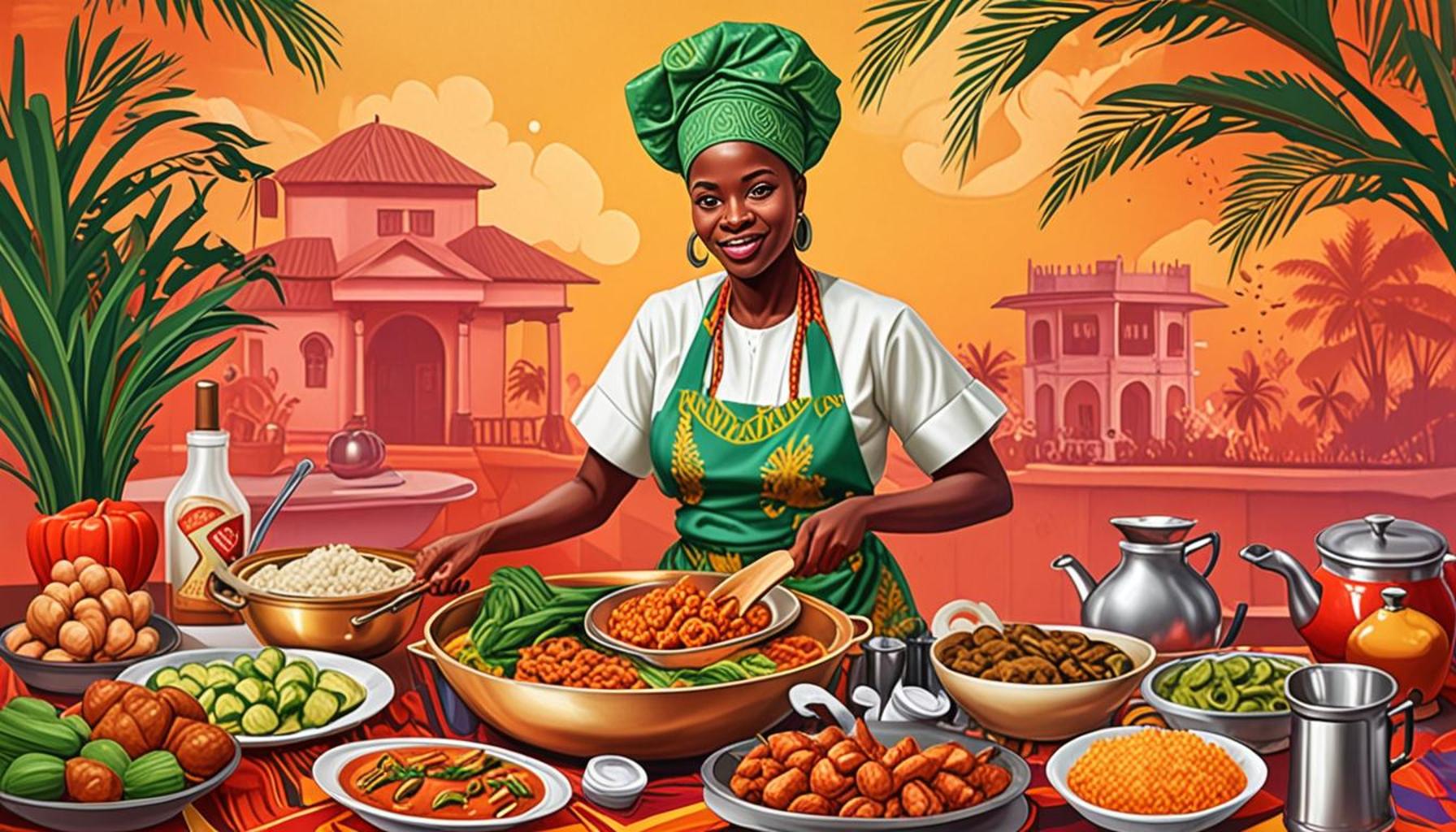
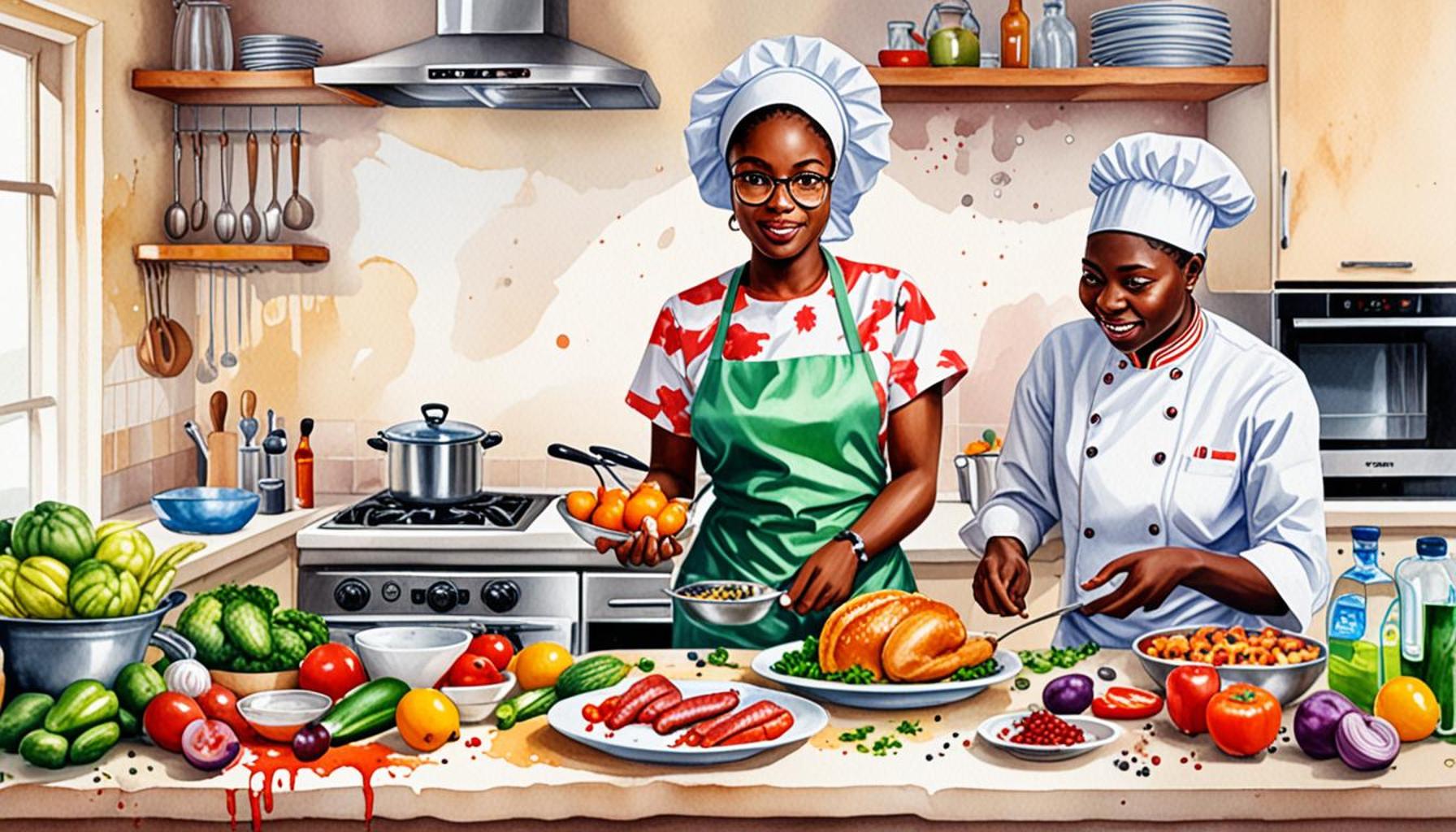
The integration of culinary arts and technology is significantly redefining how Nigerians engage with food, transforming cooking from a mere necessity into an interactive and efficient experience. This shift is not purely functional; it reflects a broader cultural adaptation as urbanization and a fast-paced lifestyle become increasingly common. As a result, households are now seeking to simplify meal preparation while also exploring new culinary avenues.
One notable innovation enhancing the home cooking experience is the rise of smart kitchen appliances. These high-tech utensils and devices not only automate cooking methods but also enhance meal precision. For example, smart ovens allow users to control cooking temperatures via smartphone apps, ensuring meals are cooked to perfection regardless of the cook’s experience level. Moreover, smart refrigerators now come equipped with features like inventory tracking, giving information on available ingredients and suggesting recipes based on what’s inside.
Another significant development in Nigeria’s food culture is the growing popularity of online food platforms. Services such as Jumia Food and EatOkra have become household names, offering a convenient way for consumers to access a variety of local and international cuisines at the click of a button. This phenomenon not only revolutionizes meal accessibility but also supports local restaurants and vendors by providing them with a larger customer base, thereby contributing to the local economy.
Additionally, recipe applications have emerged as essential tools for both novice and seasoned cooks. Apps like Cookpad and Kitchen Stories offer a plethora of local recipes, guiding users through intricate Ghanaian, Yoruba, and Igbo dishes, while fostering culinary creativity. The easy-to-follow tutorials empower users to experiment with traditional flavors and presentation styles, creating a blend of the familiar and the innovative in Nigerian kitchens.
Crucially, the trend towards technological integration is also steering the culinary world towards sustainability and healthier eating habits. Innovations such as energy-efficient cooking methods and apps that facilitate AI-driven meal planning take into consideration dietary needs and environmental impact. For instance, meal planning apps analyze user preferences and nutritional goals, making it easier to adhere to a balanced diet.
Ultimately, as we continue to navigate through this culinary revolution, it is evident that technology is not simply a modern enhancement in cooking but a profound element reshaping the cultural heritage of Nigeria’s food scene. The culinary landscape is evolving, highlighting a future where technology actively participates in the art of preparing and enjoying food, allowing for a nourishing blend of tradition and modernity.
ADDITIONAL INSIGHTS: Expand your understanding here
The Role of Smart Appliances in Modern Cooking
As the culinary landscape in Nigeria continues to evolve, smart kitchen appliances have emerged as transformative tools that are streamlining the cooking process. These innovative devices not only minimize manual effort but also introduce a level of precision that traditional cooking methods often lack. With the incorporation of technology into daily cooking routines, Nigeria is witnessing a shift towards a smarter, more efficient kitchen experience.
For instance, the introduction of smart pressure cookers has revolutionized the cooking time required for traditional dishes. These intelligent devices can significantly reduce the time spent on meals such as jollof rice or egusi soup while ensuring that the flavors are locked in. Many smart pressure cookers come equipped with pre-set programs tailored specifically for local Nigerian dishes, allowing even inexperienced cooks to achieve restaurant-quality results.
Similarly, smart scales are assisting home cooks in achieving perfect measurements, an essential factor for many traditional recipes. With features that connect to apps on smartphones, these scales provide real-time feedback and adjustment suggestions, thus minimizing the margin for error and encouraging a successful culinary journey. This merging of precise technology with traditional cooking methods empowers individuals to explore their culinary skills confidently.
Microbial Testing and Food Safety Innovations
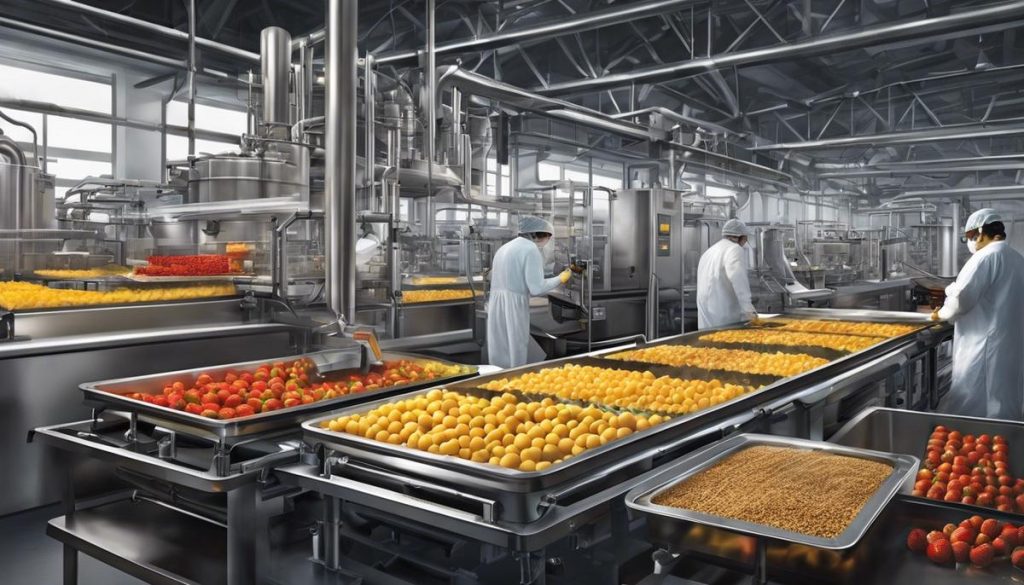
Moreover, the integration of technology into Nigeria’s food preparation is not limited to cooking methods; it extends to food safety as well. Innovative solutions targeting microbiological testing are crucial for addressing the challenges of foodborne illnesses. The rise of portable food testing devices can help both large manufacturers and local food vendors assess product safety. These tools allow for rapid microbial analysis, ensuring that the meals served at various eateries do not put customers at risk.
- Instant Food Safety Analysis: These devices provide instant readings regarding the presence of contaminants in food.
- Mobile Apps for Safety Compliance: Several apps help validate food vendors against safety standards, promoting public health.
- Track and Trace Technology: This tech helps ensure the ingredients used trace back to safe and verified sources.
As these innovations gain traction, the overall public perception and expectation of food safety will increase, aligning with global standards. Not only do these advancements enhance individual health, but they also bolster consumer confidence in the ever-expanding Nigerian food market.
The adoption of such cutting-edge technology signifies a pronounced shift in how Nigerians are interacting with their food. It also encourages a collective responsibility toward sustainable practices as consumers become more mindful of the origins and preparation of their meals. These technologically driven changes stand at the forefront of a culinary revolution that is poised to redefine cooking, dining, and food safety in Nigeria.
| Innovation | Impact on Culinary Practices |
|---|---|
| Smart Kitchen Appliances | These tools enhance cooking efficiency and precision, making it easier for chefs to experiment with African flavors while maintaining consistency. |
| Sustainable Cooking Equipment | Utilizing eco-friendly materials not only reduces environmental impact but also resonates with health-conscious consumers seeking organic and locally sourced ingredients. |
In Nigeria, culinary traditions are experiencing a transformation thanks to technological advancements that cater specifically to local preferences and needs. The integration of smart kitchen appliances, such as programmable stoves and hub-integrated refrigerators, allows for a new wave of creativity in meal preparation. By taking the guesswork out of cooking times and temperatures, these innovations empower home cooks and professional chefs alike to explore diverse recipe variations without the fear of inaccuracy.Additionally, the rising trend of sustainable cooking equipment aligns with a global focus on environmental consciousness, fostering a culture that values organic produce and minimizes waste. In urban areas where access to fresh, local ingredients is paramount, this sustainability also encourages the growth of community-supported agriculture, bridging the gap between consumers and local farmers. As Nigerian cuisines evolve with culinary technology, the interplay between tradition and innovation not only preserves the rich heritage of Nigerian cooking but also paves the way for a resilient culinary future.
CHECK OUT: Click here to explore more
The Rise of Online Culinary Platforms
In the digital age, online culinary platforms are playing a significant role in transforming how Nigerians engage with food. As technology enables greater access to cooking resources, individuals are empowered to learn new skills, experiment with diverse recipes, and connect with chefs across the globe. This shift is broadening horizons and helping to revive traditional cuisines through innovative methods.
Platforms like Chef’s Academy and Foodie Nigeria offer a plethora of recipe guides, cooking classes, and exclusive content that cater to both novice and experienced cooks. These resources often feature video tutorials, interactive Q&A sessions with culinary experts, and themed cooking challenges, making it easy for anyone to join the culinary conversation. As a result, these platforms are not just educational but also serve to foster a sense of community among users.
Moreover, social media has become a powerhouse for culinary creativity in Nigeria. Instagram, Facebook, and TikTok are flooded with food-related content, allowing chefs to showcase their culinary experiments and share homemade dishes. The hashtag trend, seen in tags like #NaijaFood and #HomeCookingNaija, is encouraging a dialogue around traditional Nigerian recipes, inspiring individuals to recreate or innovate upon age-old dishes. This cultural exchange adds flavor to the digital cooking landscape and promotes local cuisines.
Online Grocery Delivery Services
In addition to online culinary resources, the emergence of grocery delivery services is transforming the shopping experience in Nigeria. Services like Jumia Food and Grocery.in have made it easy for individuals to source the freshest ingredients directly from their homes. The convenience of browsing local markets and checking the best prices online has changed the way cooking supplies are acquired, making culinary experimentation more attainable.
- Access to Local Produce: These services work closely with local farmers to provide fresh, organic ingredients, ensuring that consumers enjoy the best quality.
- Time Efficiency: By eliminating the need for physical store visits, busy professionals are empowered to dedicate time to cooking and exploring new recipes rather than shopping for groceries.
- Seamless Ordering: User-friendly apps make it simple to compile shopping lists, track orders, and select preferred delivery times.
The impact of these services is particularly evident in urban centers such as Lagos and Abuja, where time constraints make grocery shopping a daunting task. As more Nigerians embrace online ordering, the traditional market dynamics are adjusting, enabling innovative farmers and food vendors to thrive in the digital marketplace.
Food Blogging and Influencer Culture
The food blogging and influencer scene in Nigeria is rapidly gaining momentum, molding public perceptions about cuisine and nutrition. These influencers often leverage their platforms to promote local foods, share cooking tips, and provide firsthand experiences with dining establishments. A perfect example is the rise of culinary creators who focus on healthy eating by infusing traditional dishes with modern nutritional insights, gaining a following among health-conscious individuals.
Many food bloggers are also conducting partnerships with established brands to create sponsored content, further bridging the gap between local producers and consumers. This symbiotic relationship enhances food marketing practices while highlighting the importance of quality ingredients, thus encouraging sustainable cooking practices.
As culinary innovation continues to intertwine with technology in Nigeria, the combination of smart appliances, online platforms, grocery services, and influencer culture is not just enhancing the way food is cooked and shared but is also fundamentally shaping the future of Nigerian cuisine.
YOU MAY ALSO LIKE: Read read another article
Conclusion
As we explore the intersection of culinary arts and technology, it is evident that innovations are revolutionizing the kitchen landscape in Nigeria. The advent of online culinary platforms has democratized access to valuable cooking resources, allowing individuals to embrace their culinary passions, connect with experts, and rekindle traditional recipes in exciting ways. This, combined with the rise of grocery delivery services, has not only simplified ingredient sourcing but also fostered relationships between urban consumers and local producers, thereby boosting sustainability.
Furthermore, the vibrant world of food blogging and influencer culture has catalyzed a shift in how Nigerians perceive and engage with food. Influencers are not just content creators; they are educators and advocates for healthy eating, unique preparations, and the enjoyment of local cuisines. This transformation is not just about food but also about fostering a sense of community and cultural pride among Nigerians.
In conclusion, the innovative marriage of culinary and technological advancements is paving the way for a dynamic culinary future in Nigeria. As these trends continue to evolve, they pave new paths for food enthusiasts while encouraging the appreciation of rich culinary heritage. For anyone looking to be part of this exciting evolution, the digital age offers a myriad of opportunities to explore, learn, and savor the flavors that define Nigerian cuisine—one click, one recipe, and one dish at a time.