The Evolution of Nigerian Cuisine Blending Tradition with Modern Innovation
The Journey of Nigerian Culinary Arts
Nigerian cuisine is a vibrant tapestry woven from a rich history and cultural diversity. As it evolves, this culinary landscape reflects the fusion of age-old traditions with innovative techniques, showcasing a unique gastronomic identity. The significance of this evolution extends beyond mere sustenance; it has become a creative hobby for many, inspiring chefs and food enthusiasts alike.
Why It Matters
- Cultural Heritage: Nigerian cuisine embodies the customs and stories of various ethnic groups.
- Modern Influences: Chefs are experimenting with new ingredients and methods, enhancing flavors while respecting tradition.
- Global Appeal: The broader interest in Nigerian dishes highlights the importance of cultural exchange through food.
In this article, we will explore the top five innovations that have shaped Nigerian cuisine today, inviting you to delve deeper into a world where tradition meets creativity.
Top 5: The Evolution of Nigerian Cuisine – Blending Tradition and Innovation in Modern Kitchens
Nigerian cuisine is a vibrant tapestry woven from the rich cultural heritage of the nation. As cooks and chefs continue to innovate, the culinary scene in Nigeria is evolving to encompass both traditional recipes and modern interpretations. Join us as we explore the top five elements that shape this dynamic culinary landscape, ranked from the fifth most significant to the first, which stands out as a beacon of innovation and tradition.
5. Traditional Ingredients
The backbone of Nigerian cuisine lies in its traditional ingredients. Staples such as cassava, yams, rice, and beans form the foundation of many dishes, offering not only sustenance but a link to cultural identity. These ingredients are deeply embedded in the daily diet of millions and are celebrated for their versatility and nutritional value. Spices, herbs, and seasonings like pepper, ginger, and locust bean contribute to the unique flavors characteristic of Nigerian cooking, adding layers of complexity and depth to every meal.
Traditional cooking methods, such as steaming, frying, and boiling, remain prevalent. Regional influences are evident in the distinct uses of ingredients, such as egusi (melon seeds) in the South and palm oil in the Southeast. The earthy and nutty flavor of egusi is cherished in hearty dishes like Egusi soup, while the rich texture of palm oil adds authenticity and flavor to stews and soups. Understandably, these flavors and techniques continue to inspire modern chefs, who often incorporate them into contemporary culinary creations.
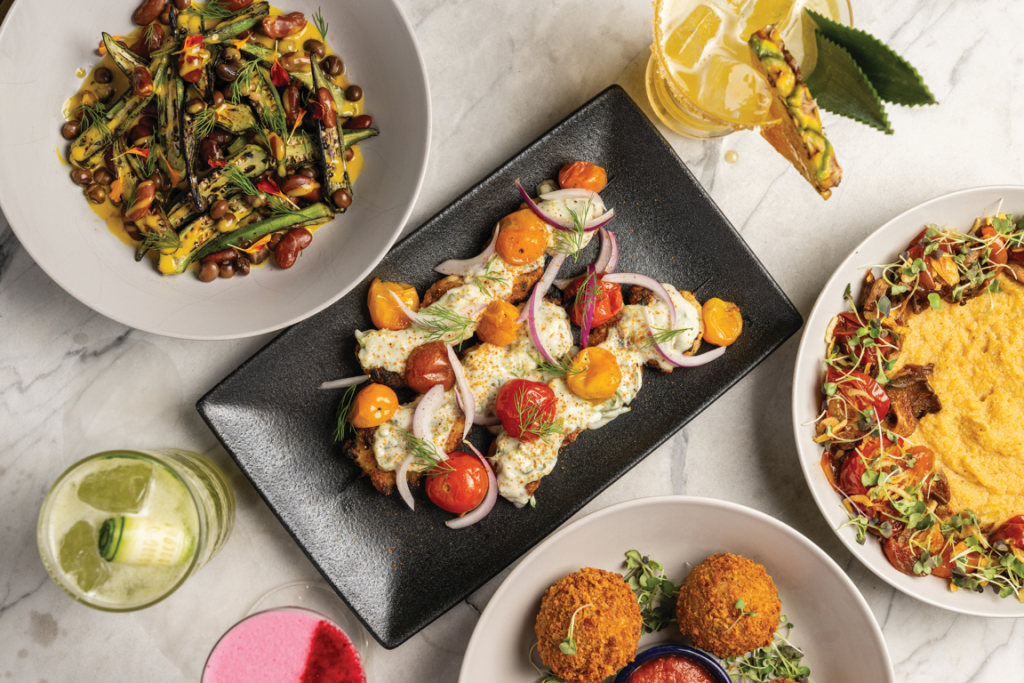
- Common Nigerian staple foods include:
- Pounded yam: This is a smooth and stretchy accompaniment often paired with soups.
- Jollof rice: A beloved rice dish known for its vibrant red hue and savory taste, often served at celebrations.
- Ogbono soup: Thick and hearty, utilizing waterleaf or spinach with the richness of ogbono seeds.
4. Fusion Cuisine
Throughout the past decade, Nigerian cuisine has embraced the concept of fusion cuisine, welcoming international flavors and techniques. Chefs are experimenting with traditional Nigerian foods while incorporating influences from global culinary trends. This innovative spirit lends a fresh perspective, making Nigerian cuisine more accessible to the world. Fusion cuisine not only honors the originality of Nigerian fare but also opens the door for cross-cultural culinary dialogues.
For instance, dishes like Nigerian Jollof rice are now often served alongside items such as grilled chicken marinated in Asian spices like soy sauce and sesame or tacos infused with local pepper sauce, creating vibrant flavors that transcend cultural borders. These fusions not only appeal to diverse palates but showcase the adaptability of Nigerian cooking. Furthermore, fusion cuisine has found its way into Nigerian urban centers, bringing forth a variety of dining experiences that cater to contemporary tastes.
3. Culinary Tourism
As Nigeria’s culinary reputation grows on the global stage, culinary tourism has become an essential element of the country’s cultural landscape. Tourists are increasingly drawn to Nigeria not just for its sights, such as the bustling city of Lagos, but for its rich and diverse food experiences. This surge in interest has led to the creation of food festivals and guided culinary tours that allow visitors to dive deep into the heart of Nigerian gastronomy.
Events like the Lagos Food Fest and the Nigerian International Food Festival unite local chefs, home cooks, and food lovers from around the world. These gatherings celebrate the diversity of Nigerian cuisine, offering rare opportunities to taste authentic dishes and learn about the stories behind them. More than just eating, these experiences offer educational insights into how traditional Nigerian meals are prepared, the local produce used, and the history that imbues each dish. Culinary tourism thus acts as a bridge, inviting travelers to explore not just flavors but also the cultural narratives that define Nigeria.
2. Social Media Influencers and Food Bloggers
The digital age has transformed how individuals engage with food, and in Nigeria, social media influencers and food bloggers play a crucial role in shaping contemporary culinary trends. By sharing recipes, cooking tutorials, and food experiences online, they provide a platform for culinary creativity and introduce viewers, both local and international, to authentic Nigerian dishes through engaging and visually appealing content.
The impact of these platforms has been significant, particularly with visually appealing content on Instagram and TikTok that celebrates the beauty of Nigerian meals. Instagram-worthy shots of dishes not only embellish the online presence of Nigerian cuisine but also spark curiosity and conversation globally. Influencers are not only teaching traditional cooking techniques to a broader audience but also challenging the boundaries of what Nigerian food can be, often by posting innovative twists on classic recipes. This free exchange of ideas strengthens the culinary community and embraces a broader audience.
1. Chef-Led Innovations
At the forefront of Nigeria’s culinary renaissance are talented chefs who are redefining the country’s gastronomic identity through chef-led innovations. These culinary pioneers strive to elevate Nigerian dishes, presenting them with a contemporary twist, often in fine-dining settings. They incorporate local ingredients while experimenting with international cooking styles, creating dishes that resonate with global audiences. By emphasizing presentation and refinement, they’re transforming how the world perceives Nigerian food.
These chefs have a passion for showcasing Nigeria’s culinary heritage while also pushing boundaries. World-renowned chefs like Ire Aderinokun and Tunde Wey exemplify this movement, blending tradition with avant-garde techniques. They delve into the depths of Nigerian cuisine, unearthing forgotten recipes and bringing them to the present day with sustainability in mind. Their commitment to sustainability and ethical sourcing further reflects the evolving ethos of Nigerian cuisine, ensuring that the culture continues to grow and adapt within global contexts. These innovations resonate deeply with audiences worldwide, contributing to a broader appreciation and understanding of Nigerian culinary artistry.
Nigerian cuisine’s evolution is a fascinating journey that illustrates the blend of rich traditions and adventurous innovations. Each element plays a vital role in shaping the future of this culinary landscape, inviting everyone to delve deeper into its flavors and stories. It is a celebration of heritage, creativity, and the ever-expanding possibilities in the world of food, reaffirming Nigeria’s place on the global gastronomic stage.
As we delve deeper into the evolution of Nigerian cuisine, it’s essential to examine how traditional dishes are being reimagined in contemporary kitchens. The blend of tradition and innovation is not merely a trend; it is a profound transformation shaped by cultural exchanges, globalization, and technological advancements that redefine how food is prepared and presented.One significant aspect of this culinary evolution is the increasing incorporation of locally sourced, organic ingredients. Chefs and home cooks alike are becoming more conscious of sustainability. They are embracing the rich variety of indigenous crops such as *yams*, *cassava*, and *beans*, which not only align with health trends but also celebrate regional biodiversity. This shift towards organic sourcing is not just about health; it is also a way to support local farmers and ensure the preservation of traditional agricultural practices that have been passed down through generations.The introduction of modern cooking techniques is another area where innovation takes center stage. For instance, sous-vide—a method of cooking food slowly in a vacuum-sealed bag—has found its way into Nigerian kitchens, enabling chefs to maintain the traditional flavors while achieving precise cooking temperatures. This technique elevates familiar dishes like *jollof rice* or *ego riro* to gourmet status, showcasing that modernization can coexist harmoniously with cultural heritage.In this dynamic landscape, fusion cuisine emerges as a powerful testament to Nigeria’s culinary creativity. Chefs are experimenting with blends that marry local ingredients with international flavors. Imagine a *suya* taco, encompassing the spicy flavors of African street food wrapped in a Mexican classic. Such culinary innovations not only tantalize the taste buds but also invite a broader audience to experience the richness of Nigerian culture.Moreover, the role of technology in Nigerian cooking cannot be overlooked. The proliferation of food blogging and social media platforms has created a vibrant community where recipes can be shared and cross-pollinated, leading to the birth of new culinary trends. Cooking classes offered online allow aspiring cooks to learn traditional methods from home, merging the old ways with new techniques in an unprecedented manner.As we continue to explore the evolution of Nigerian cuisine, it becomes evident that this culinary journey is not just about food; it is deeply rooted in cultural identity and adaptability. Each dish tells a story, revealing the rich tapestry of Nigeria’s history, values, and aspirations. The seamless blend of tradition and innovation enables a celebration of diversity, ensuring that Nigerian cuisine remains an ever-evolving narrative that resonates with both the past and the present.
Frequently Asked Questions About Nigerian Cuisine Evolution
What are the key elements of traditional Nigerian cuisine that have influenced its modern evolution?
Nigerian cuisine is a rich tapestry of flavors and techniques derived from its diverse ethnic groups. Traditional dishes often feature ingredients like yams, cassava, beans, and a variety of spices. The use of these elements has not only sustained the culinary traditions of Nigeria but also paved the way for modern adaptation. The concept of jollof rice, for example, has been embraced internationally, symbolizing the intersection of tradition and globalization. This blending of old and new is the essence of Nigerian culinary evolution.
How are modern Nigerian chefs incorporating innovation into traditional dishes?
Modern Nigerian chefs are experimenting with traditional dishes by incorporating international cooking techniques and flavors. For instance, the traditional dish soup known as egusi is being reinvented with ingredients like kale instead of spinach for a unique twist. Chefs are also employing methods like molecular gastronomy, deconstructing dishes to showcase individual flavors in new ways, thus attracting a global audience who are interested in innovative culinary experiences.
Why is the evolution of Nigerian cuisine important for cultural identity?
The evolution of Nigerian cuisine is crucial in maintaining and promoting cultural identity on the global stage. As Nigerian chefs innovate and reinterpret traditional recipes, they invite the world to experience the vibrant cultural heritage of Nigeria. This culinary transformation showcases the resilience and creativity inherent in Nigerian culture. It also serves as a form of cultural diplomacy, fostering understanding and appreciation across different cultures. The preservation of traditional techniques amid innovation ensures that the culinary heritage remains a core part of Nigerian identity.
How is the global perception of Nigerian food changing with this evolution?
Globally, Nigerian food is gaining recognition as chefs and food enthusiasts showcase the depth and variety of its flavors. Once overlooked, dishes like suya (spiced grilled meat) and pepper soup are now celebrated for their unique taste profiles. As the diaspora continues to grow, so too does the curiosity and demand for Nigerian cuisine on the international market. This increasing visibility is transforming perceptions, positioning Nigerian food as a key contributor to the global culinary scene.
What challenges do Nigerian chefs face in balancing tradition with innovation?
One of the primary challenges Nigerian chefs face is maintaining authenticity while appealing to a global palate. Balancing tradition with innovation requires a deep understanding of both cultural roots and contemporary culinary trends. Chefs must navigate issues like sourcing local ingredients globally and adapting recipes without losing their essence. Additionally, there is a constant need to educate and inform audiences who may not be familiar with the depth of Nigerian cuisine, ensuring that innovation does not come at the cost of cultural dilution. These challenges make the evolution of Nigerian cuisine an exciting yet complex journey.
Conclusion: The Nigerian Culinary Fusion
The evolution of Nigerian cuisine represents a remarkable journey where tradition meets innovation, reshaping the culinary landscape. This fusion not only preserves the rich heritage of Nigerian flavors but also invites creative expression in modern kitchens. As we explored in the article, the diverse tapestry of cultures and ingredients provides a fertile ground for culinary experimentation.
Traditional dishes, such as Jollof Rice and Egusi Soup, are the backbone of Nigerian culinary history, and their evolution reflects a nation’s identity deeply rooted in its cultural practices. The innovation introduced by contemporary chefs not only revitalizes these staples but also pushes the boundaries of imagination, inviting global attention.
Moreover, the movement toward sustainable and locally-sourced ingredients highlights a growing awareness and appreciation of Nigeria’s abundant natural resources. This shift is pivotal in promoting environmental responsibility and healthier dietary habits, aligning with the global trend towards sustainability.
The impact of the diaspora is another critical aspect of this evolution. As Nigerians across the globe adapt these traditional recipes, they incorporate new influences, further enriching the culinary arts. This exchange fosters a sense of unity and pride, connecting people to their roots while celebrating diversity.
Nigerian cuisine’s ability to innovate while respecting its traditions underscores its role as a creative hobby; it is a canvas that encourages culinary artists to explore new flavors and techniques. For hobbyists and professional chefs alike, this blend of old and new offers endless possibilities for experimentation and discovery, making Nigerian cuisine an exciting and dynamic field to explore.