Nigerian Traditional Instruments Evolution in Contemporary Music
Introduction
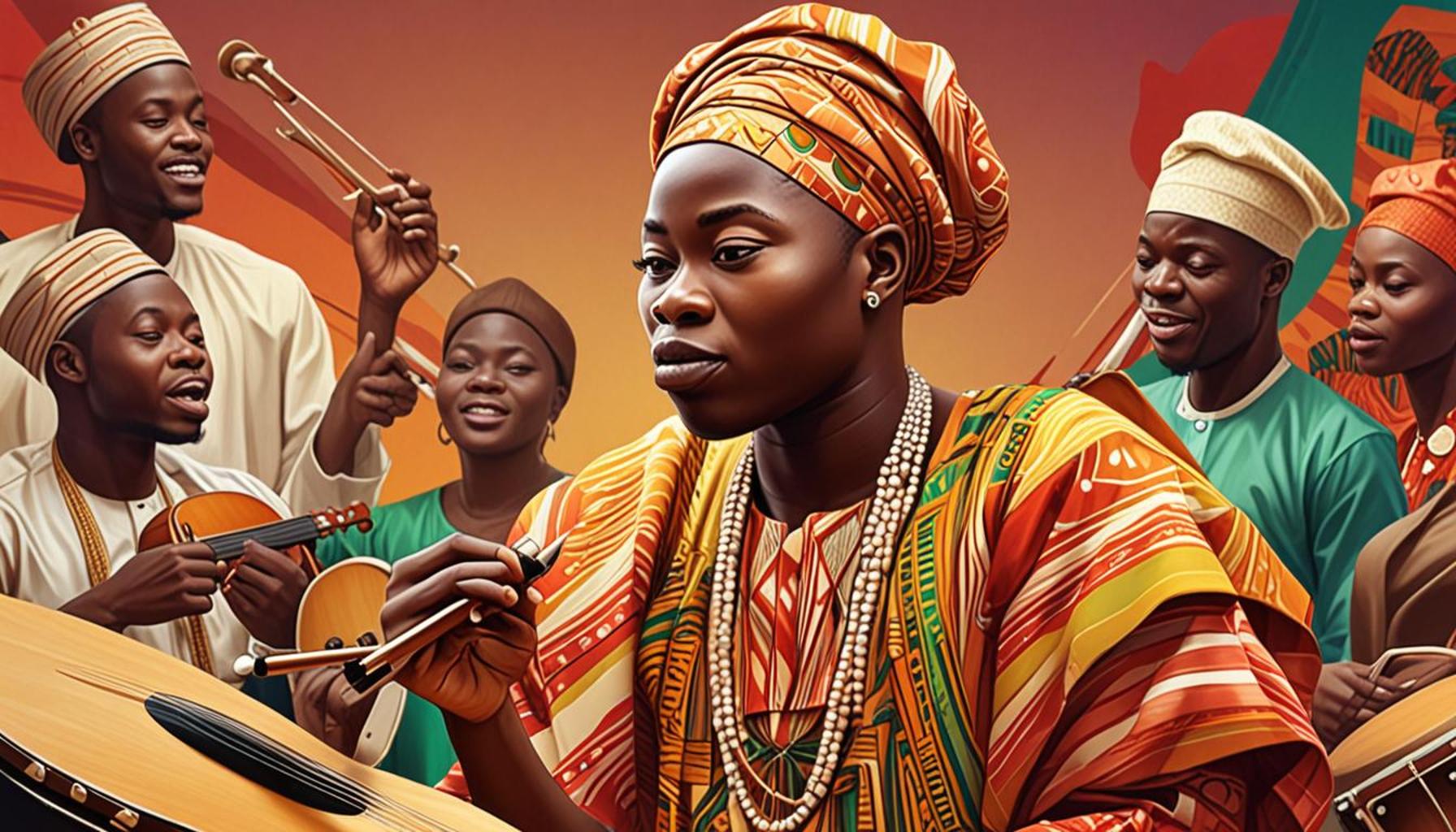
In recent years, the fusion of traditional and contemporary music has gained significant traction, particularly in Nigeria. As artists draw inspiration from their cultural heritage, the evolution of Nigerian traditional instruments has played a pivotal role in shaping modern sounds. This dynamic interplay not only preserves musical traditions but also revitalizes them within the context of contemporary genres.
Considering the richness and diversity of Nigeria’s musical heritage, it is essential to highlight how these instruments have adapted over time. The impact of globalization and technology has further influenced this transformation, leading to new interpretations and uses in today’s music scene.
- Instruments like the talking drum and shekere are being incorporated into various genres.
- Collaborations with international artists have introduced traditional sounds to new audiences.
- The rise of music platforms has enabled widespread appreciation and experimentation with these instruments.
This article will explore the journey of traditional Nigerian instruments in contemporary music, culminating in a ranking of the Top 5 instruments that are making waves today. Join us as we delve into the fascinating world where tradition meets modernity.
The Evolution of Traditional Nigerian Instruments in Contemporary Music
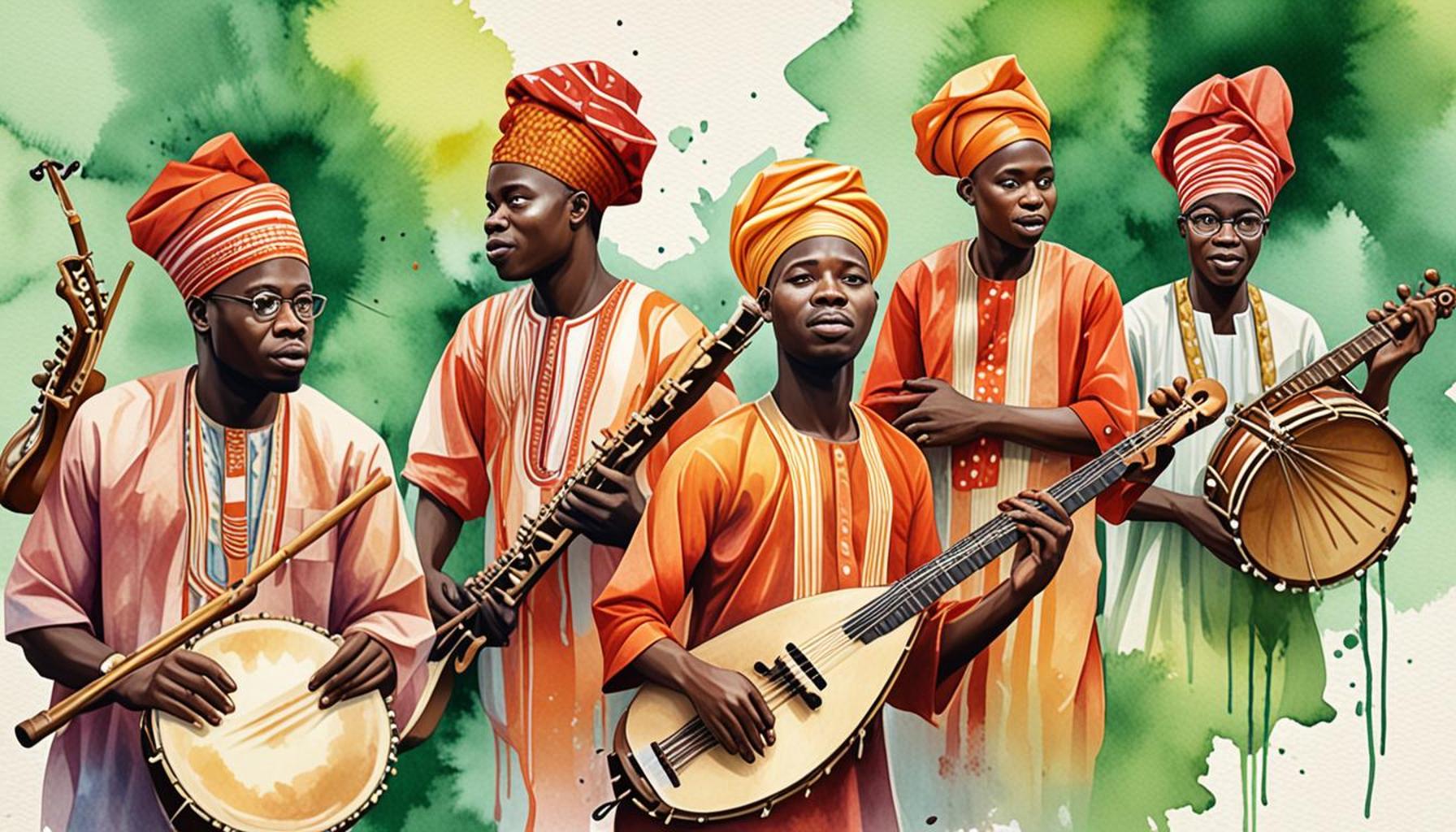
Nigeria is a country celebrated for its vibrant and diverse musical heritage. Traditional instruments are the backbone of this rich cultural tapestry, serving as both historical artifacts and living elements of today’s music scene. From ceremonious rhythms to modern electronic harmonies, these instruments have not only survived but thrived, adapting to new dynamics while preserving their cultural roots. This exploration into the evolution of Nigerian traditional instruments reveals their significant influence on contemporary music, showcasing how these sounds of the past continue to resonate in today’s global soundscape.
The Udu: A Pottery Instrument’s Journey
The udu, with its origins in the Igbo community, is a pottery drum known for its distinct sound, which emerges from the hollow clay base tapped by the player’s hand. Historically, the udu was integral in rituals and storytelling, creating an auditory dialogue between participants. However, in the arena of contemporary music, the udu has found a broader audience.
Renowned for its deep, bass-like tones, the udu is increasingly woven into genres like jazz, pop, and world music. This isn’t just about maintaining tradition; it’s about evolution. Jazz musicians, for example, have utilized the udu’s resonant sounds to establish unique rhythmic backdrops. Additionally, electronic artists experiment by sampling its sounds, digitally manipulating the tones for innovative musical compositions.
This marriage of preservation and innovation has not only kept the udu relevant but has catapulted it into the spotlight of global music. By integrating it with electronic effects, musicians have made the udu more accessible, symbolizing a broader appreciation and understanding of Nigeria’s cultural contributions to world music.
The Shekere: From Traditional to Modern Rhythms
The shekere, a percussion instrument shaped from a gourd covered with woven beads, has long been a staple in Nigerian music, especially within Yoruba traditions. Historically used in religious and social ceremonies, the shekere has a profound ability to create intricate rhythms through its shaking and tapping. This rhythmic capacity makes it a perfect fit for contemporary musical experiments.
In the modern music scene, the shekere has transitioned from its traditional roots into the fabric of genres like Afrobeats, where its commanding rhythm adds a fresh layer of complexity. Musicians have taken advantage of the shekere’s versatility, merging its sounds into new formats by layering them over hip-hop beats or house music to create a more rhythmic structure.
This blend of traditional rhythm and modern styles exemplifies the instrument’s adaptability, demonstrating how it can contemporize without forsaking its inherent traditional character. The shekere stands as a testament to Nigeria’s ability to maintain its musical identity while embracing modernity.
The Talking Drum: Adapting to Modern Contexts
Of all the traditional Nigerian instruments, the talking drum is perhaps one of the most emblematic and recognizable globally. Its unique capacity to mimic the tone and prosody of human speech allows it to communicate messages melodically—a trait that has preserved its relevance over centuries.
In recent years, pop and urban music forms have embraced the talking drum, discovering the richness it adds to contemporary compositions. The likes of Burna Boy and Wizkid have utilized its potential in mainstream tracks, introducing a global audience to the drum’s versatile voice.
This adaptation highlights a harmonious blend of authenticity with innovation, as the talking drum finds its voice in modern contexts while staying true to its origins. Its integration speaks to the broader narrative of African sounds influencing global music and reshaping it for current and future listeners.
The Rattle: Rhythm on the Rise
Though simple in design, rattles have served as powerful components in Nigerian music traditions. They have been used in a variety of contexts, from traditional ceremonies to celebrations, helping to establish foundational rhythms that support more complex musical structures.
In contemporary music, rattles are experiencing a renaissance. Their ability to add both subtlety and intensity to a piece makes them attractive to musicians exploring genres like Afrobeat and hip-hop. When embedded into modern compositions, rattles contribute a layer of authenticity that resonates deeply with audiences. Their inclusion not only enriches sonic textures but also maintains cultural narratives that are fundamental to Nigeria’s musical heritage.
This rise in popularity underscores the successful integration of traditional rhythms into contemporary formats, showcasing how these instruments can maintain their cultural importance while embracing new musical landscapes.
The Kora: A Fusion of Tradition and Modern Harmony
The kora is a majestic 21-string instrument originating from West Africa, cherished for its ethereal tones and rich heritage. Known as a bridge between the past and all emerging sounds, the kora’s role in global music is ever-expanding.
Incorporated by contemporary artists such as Toumani Diabaté, the kora has transcended traditional settings to find its place in global music, including genres like jazz, pop, and even electronic dance music. The infusion of the kora into modern compositions showcases its incredible versatility and suggests a seamless fusion between heritage and modern harmony.
This adaptability highlights how the kora continues to influence the world stage, offering a sonic illustration of Nigeria’s artistic depth and creative potential. Its presence is a testament to the enduring legacy of traditional instruments on contemporary music, continually inspiring and captivating audiences worldwide.
In conclusion, the evolution of traditional Nigerian instruments is a powerful narrative of cultural adaptation and artistic innovation. From the resounding depths of the udu to the intricate melodies of the kora, each instrument’s journey enriches Nigeria’s music scene and reinforces the notion that tradition and modernity can thrive together. As these instruments find new relevance today, they remain crucial in defining what it means to be both globally engaged and culturally rooted.
| Category | Details |
|---|---|
| Cultural Fusion | The incorporation of traditional instruments into contemporary music creates a unique sound that blends various cultural influences, making it a vibrant symbol of modern Nigerian identity. |
| Revival of Heritage | Artists are reviving traditional Nigerian instruments like the talking drum and shekere, giving them new life in genres such as Afrobeat and hip hop, thus preserving cultural heritage while adapting to modern tastes. |
| Global Reach | These traditional instruments are breaking borders, appearing in international music festivals and collaborations, showcasing the diversity and richness of Nigerian music on a global scale. |
| Innovation in Music Production | With advancements in technology, traditional instruments are being used in innovative ways, influencing music production techniques and leading to the creation of new genres that reflect a modern yet authentic sound. |
Frequently Asked Questions About the Evolution of Traditional Nigerian Instruments in Contemporary Music
What are some traditional Nigerian instruments commonly used in contemporary music?
Traditional Nigerian instruments that have found a place in contemporary music include the talking drum, a percussion instrument known for its ability to mimic the intonation and rhythm of human speech. The udu, a clay pot drum originating from the Igbo people, and the shekere, a beaded gourd, are also widely used. These instruments are appreciated for their distinct sounds and cultural significance, which bring a unique flavor to modern compositions.
How have traditional Nigerian instruments influenced modern music genres?
Traditional Nigerian instruments have profoundly influenced various modern music genres such as Afrobeat, Highlife, and Afropop. Artists like Fela Kuti and Burna Boy have incorporated these instruments’ rhythms and textures into their music, creating a sound that is both innovative and deeply rooted in cultural traditions. This fusion has also encouraged new trends in world music, highlighting Nigeria’s rich musical heritage on a global platform.
Why is there a resurgence of traditional instruments in Nigeria’s music scene?
The resurgence can be attributed to a desire among artists and audiences to reconnect with their cultural heritage amidst rapid modernization. This revival is not just a nostalgic journey but also a creative exploration of how traditional sounds can complement contemporary music. Additionally, global interest in world music has spurred a newfound appreciation for authentic, indigenous sounds, leading Nigerian musicians to revisit and reinvent their musical roots.
Can traditional instruments from different Nigerian ethnic groups collaborate in contemporary music?
Absolutely. The diversity of Nigeria’s ethnic groups means there is a vast array of instruments with unique sounds and styles. Collaborations, such as the fusion of Yoruba talking drums with Igbo string instruments, offer rich musical tapestries in contemporary compositions. Such cross-cultural collaborations not only create innovative music but also promote a sense of unity and shared heritage among Nigeria’s diverse populations.
Conclusion
The transformation and integration of traditional Nigerian instruments into contemporary music is a narrative of innovation, preservation, and cultural synergy. As highlighted, these traditional sounds, once confined to indigenous and ceremonial uses, have found a new voice in the world’s modern music landscape. This evolution serves as a testament to the dynamic adaptability of cultural tools and their ability to resonate universally.
The top takeaways from this exploration include the resilience of Nigerian traditional instruments like the talking drum and the udu in maintaining their relevance. Musicians across genres have embraced these instruments, infusing them with new technologies which have expanded their acoustic range and appeal. Furthermore, the role of global collaborations and the Nigerian diaspora cannot be overstated; these interactions have sparked a creative exchange that enriched both traditional and contemporary music.
This blend of tradition and modernity in musical expression underscores the importance of preserving cultural heritage while fostering innovation. It offers exciting avenues for creative hobbies, encouraging musicians and enthusiasts to explore hybrid styles that challenge conventional boundaries. The journey of traditional Nigerian instruments is a reminder that creativity knows no limits, and artistic expression can serve as a bridge connecting diverse cultures.
In conclusion, the evolution of these instruments not only contributes valuable textures to modern music but also promotes a deeper appreciation for Nigeria’s rich cultural heritage. For those intrigued by this fusion of old and new, the world of Nigerian music offers a profound wellspring of discovery and inspiration, urging us to look deeper and listen closer.