Learning to Play Traditional Instruments: A Practical Guide for Beginners

The Cultural Significance of Traditional Instruments in Nigeria
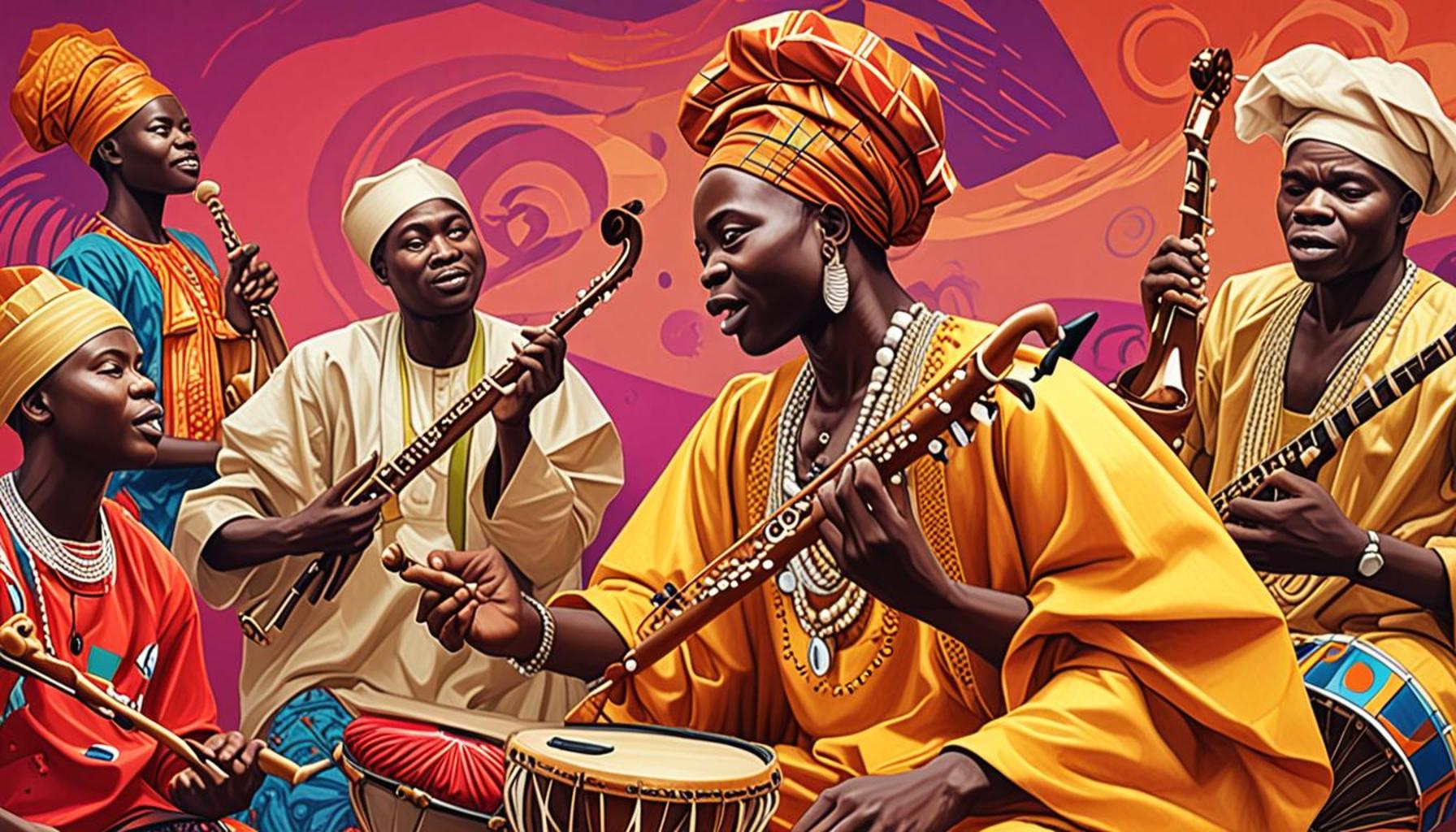
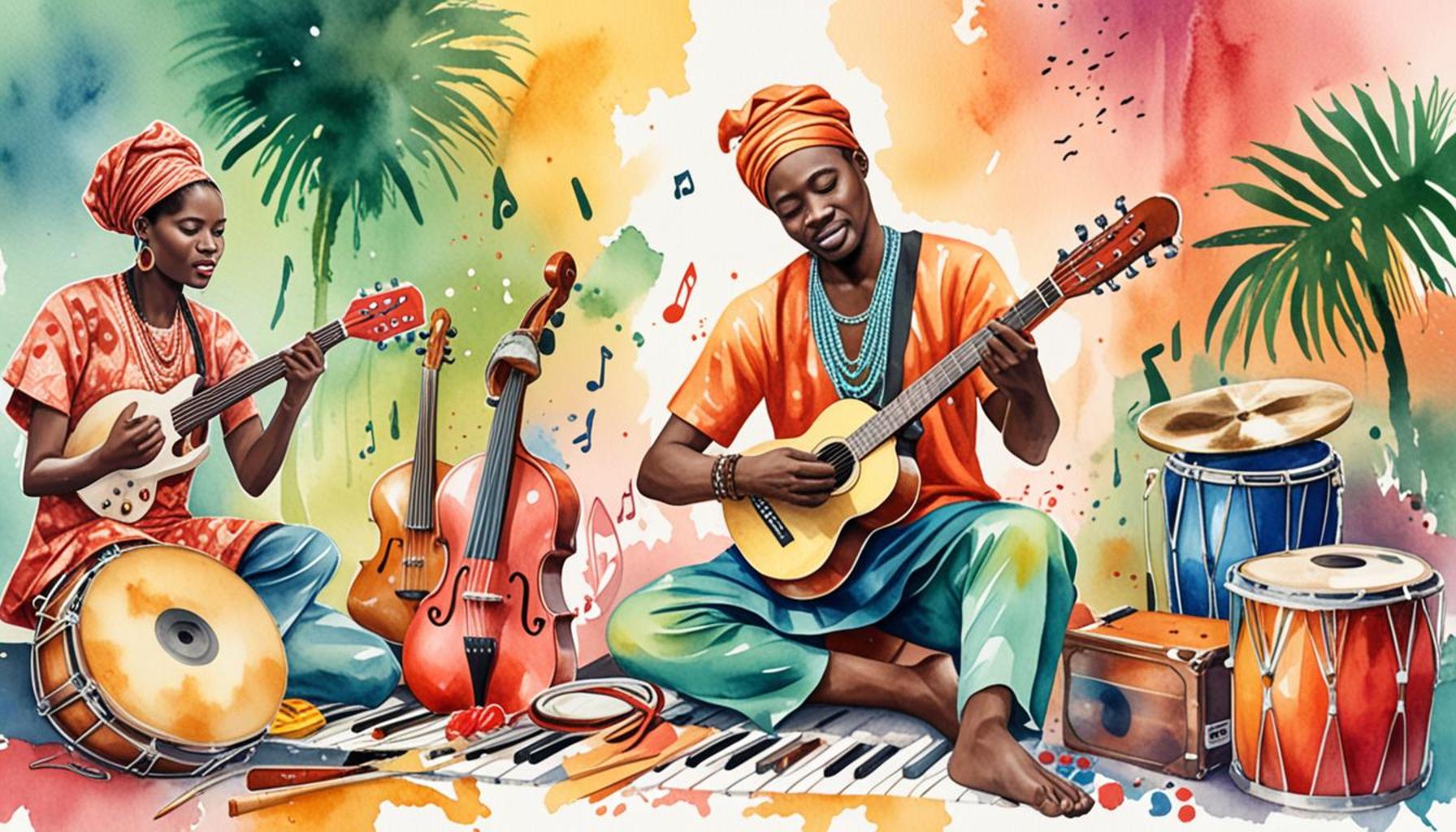
Nigeria’s rich cultural heritage is beautifully expressed through its traditional instruments, each serving as a historical narrative and a communal bond. These instruments, such as the talking drum, shekere, djembe, and ekwe, are not merely for entertainment; they embody the essence of the peoples’ stories, traditions, and social customs. For beginners, learning to play these instruments offers an enriching path to reconnecting with their cultural roots while embarking on a creative journey.
Discovering the Power of Cultural Connection
Understanding the significance of traditional instruments fosters a deeper connection to Nigerian culture. The talking drum is a prime example; it mimics the tonal language of the Yoruba people, used for communication and conveying messages during ceremonies. Learning about such instruments enhances one’s appreciation for their purpose beyond music. Similarly, the shekere, a gourd covered with beads, creates vibrant rhythms and is often integral during celebrations, symbolizing joy and unity.
Fostering Social Engagement
Participating in community groups and festivals centered around traditional music provides a unique opportunity for social engagement. Events like the annual Calabar Carnival and various local masquerade festivals not only celebrate traditional music but also invite participants to join in. These gatherings allow individuals to share their music, dance, and heritage, fostering a sense of belonging and camaraderie within the community. Through these interactions, musicians can collaborate, share experiences, and support one another in honing their craft.
Personal Growth through Music
Engaging with traditional musical instruments is not just an artistic endeavor; it also promotes personal growth. The discipline required to master an instrument cultivates patience and perseverance. Regular practice enhances one’s creativity as players learn to interpret rhythms and melodies, often improvising and infusing their personal style. Additionally, performers gain confidence as they share their musical talents at gatherings or public showcases, transforming their initial hesitations into a source of pride.
Whether captivated by the energetic beats of the djembe or the harmonious tones of the ekwe, every musician’s journey is unique and offers a chance to learn about the rich tapestry of Nigeria’s cultural heritage. These instruments are not just tools of expression; they serve as a bridge to the past while inspiring future generations.
This practical guide will equip new learners with crucial insights, resources, and strategies to successfully embark on their musical journey. As you explore the captivating world of traditional instruments, remember that each note played is a step closer to embracing the vibrant history and cultural nuances of Nigeria, creating a space where the past resonates beautifully into the future.
ADDITIONAL INSIGHTS: Expand your understanding here
Getting Started with Traditional Instruments
For those eager to learn about the captivating world of traditional instruments, the journey begins with understanding the instrument’s role in cultural expression. Each instrument has its unique playing techniques, tones, and histories that form the backbone of Nigeria’s diverse musical landscape. Therefore, for beginners, the first step is selecting an instrument that resonates personally, whether it is the talking drum for its communicative power, the djembe for its rhythmic versatility, or the shekere for its enchanting percussive sounds.
Choosing Your Instrument
When embarking on the path to learning traditional instruments, consider the following aspects in making your choice:
- Personal Interest: Reflect on what draws you to a specific instrument. Is it the sound, its cultural significance, or its visual appeal?
- Accessibility: Assess whether you can easily obtain or rent the instrument. Some instruments, like the shekere, can be handcrafted at home, while others may need to be sourced from local artisans.
- Learning resources: Research the availability of teachers, tutorials, and learning materials for your chosen instrument. Online platforms and community workshops can be valuable resources.
Undoubtedly, starting with an instrument that resonates with your personal connection to Nigerian culture will enhance your motivation and commitment to learning.
Establishing a Learning Routine
Once you have chosen your instrument, creating a consistent practice routine is essential to progress. Consider the following strategies to enhance your learning experience:
- Set Clear Goals: Define specific musical objectives, such as mastering a particular rhythm or song. This will help keep you focused and motivated.
- Daily Practice: Dedicate time each day for practice, even if it’s just 15-30 minutes. Consistency is key to developing muscle memory and honing your skills.
- Record Your Progress: Keeping a journal or recording your practice sessions may provide valuable feedback and track your growth over time.
Moreover, connecting with other musicians can greatly enrich your learning experience. Consider joining local groups or online forums where you can interact with fellow beginners and experienced players. This collaborative spirit fosters a nurturing environment that promotes shared knowledge and encouragement.
Understanding the Basics of Musical Theory
While traditional instruments often come with their unique playing techniques, having a foundational understanding of musical theory can significantly benefit your learning journey. Familiarity with concepts like rhythm, scales, and notes will facilitate a smoother learning experience. As you delve into traditional music, explore:
- Basic Rhythmic Patterns: Identify common rhythms used in Nigerian traditional music and practice playing along.
- Melody and Harmony: Learn about the relationship between different notes and how they form the melodies integral to cultural expressions.
- Cultural Context: Understand the significance of specific rhythms and melodies associated with various tribes and ceremonies.
Equipped with this knowledge, you will not only enhance your instrumental skills but also gain a deeper appreciation for the storytelling aspect of traditional Nigerian music. With patience and dedication, the journey of learning to play traditional instruments will become a fulfilling and transformative experience
Exploring the Benefits of Learning Traditional Instruments
As a beginner, delving into the world of traditional instruments can be both an exciting and enriching experience. The practicality of learning these instruments transcends simple recreation; it fosters a deeper connection to cultural heritage. Below is a table that highlights some advantages of embracing this musical journey:
| Advantages | Key Features |
|---|---|
| Cultural Preservation | By learning traditional instruments, students contribute to the preservation of cultural heritage, ensuring that unique musical styles are passed down through generations. |
| Improved Cognitive Skills | Engaging with traditional music enhances memory, focus, and creativity, providing cognitive benefits that extend beyond music itself. |
Moreover, the tactile and auditory experiences gained while mastering traditional instruments offer significant emotional and neurological advantages. The joy of producing melodies on instruments like the banjo, sitar, or djembe facilitates a meditative state, supporting mental well-being. As beginners embark on this musical adventure, they discover not just the joy of performance but also a sense of belonging to a rich tapestry of cultural stories and traditions.
For those intrigued by this artistic pursuit, the guide serves as a roadmap, navigating through essential techniques, instrument choices, and practice tips that empower newcomers to embrace both the challenges and rewards of learning an instrument.
RECOMMENDED: Check out this similar article
Diving Deeper into Technique and Style
As you establish your learning routine and set the groundwork for your musical journey, it’s time to focus on the technical aspects and stylistic nuances of playing traditional instruments. Mastering these elements will not only enhance your skills but also allow you to express yourself authentically through music.
Mastering Techniques
The learning curve for traditional instruments often involves grasping specific techniques unique to each instrument. Understanding these techniques enables players to produce rich, authentic sounds that reflect the cultural heritage they represent. Here are essential techniques to explore:
- Grip and Posture: Learning the correct grip and maintaining proper posture is crucial for optimal performance. For example, on the talking drum, mastering how to hold the sticks correctly will impact the quality of sound produced.
- Strumming and Plucking Techniques: Instruments like the kalimba or oud require specific finger techniques for plucking notes. Start slow to build accuracy and gradually increase your speed as you gain confidence.
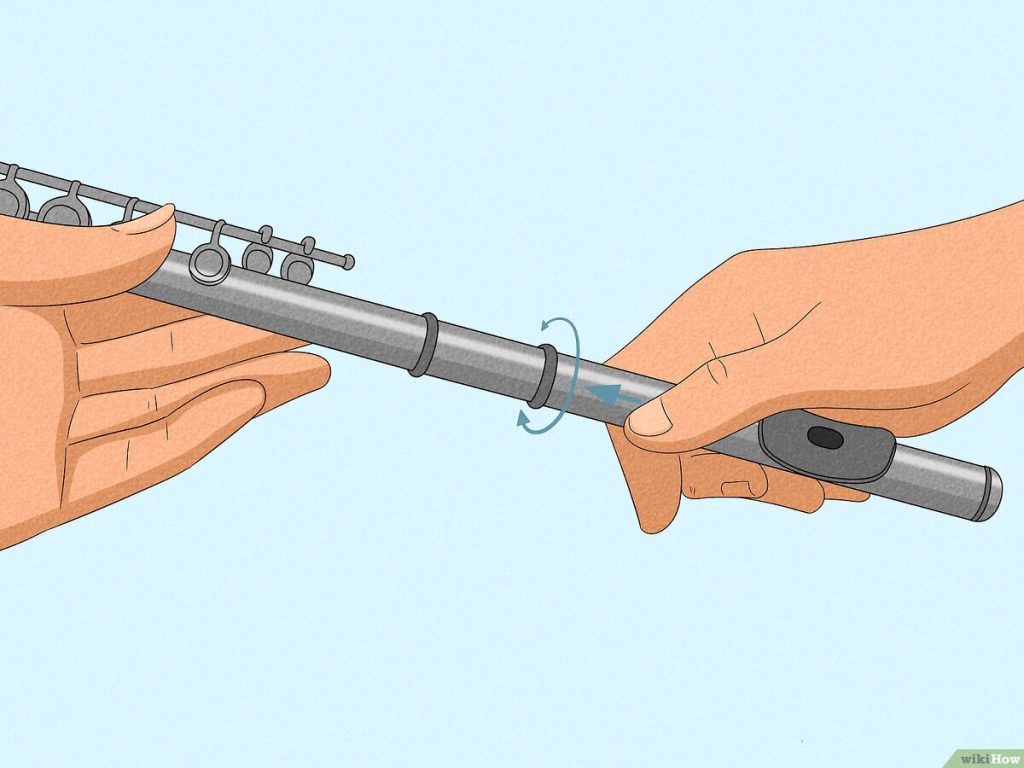
- Breath Control: For wind instruments, such as the ebu or national flute, breathing techniques are vital. Begin by practicing long notes to help develop control and maintain consistent airflow.
Spending time focusing on these techniques allows you to create a solid foundation for more complex rhythms and melodies. Utilize mirrors or video recordings to self-evaluate your technique, making adjustments as necessary for better performance.
Exploring Styles and Genres
Nigeria’s rich tapestry of musical styles is a treasure trove for traditional instrument players. Each region boasts its styles, enriched by historic traditions and contemporary influences. Here’s how to explore various styles:
- Regional Focus: Investigate the unique styles associated with different Nigerian regions, such as Highlife from the Southwest, Jùjú from the West, and Afrobeats, which encompasses a modern blend of instrumental draw.
- Performance Techniques: Pay attention to how accomplished musicians embellish their performances through improvisation, call-and-response patterns, and syncopation. Studying performances or attending live shows can provide inspiration and understanding.
- Cultural Significance: Understanding the context in which different styles evolved provides a deeper appreciation. Engage with local elders or musicians who can share stories and the cultural relevance of traditional pieces.
As you explore these styles, don’t be afraid to mix and adapt them to your playing. Incorporating elements from different genres can lead to a unique expression of your artistic identity.
Utilizing Technology to Enhance Learning
In today’s digital age, aspiring musicians can leverage technology as a powerful ally in learning traditional instruments. Here are effective ways to use tech in your practice:
- Online Courses and Tutorials: Websites and apps dedicated to music education often offer specific courses on traditional instruments. Platforms like YouTube have countless tutorials, enabling self-paced learning.
- Metronome Apps: Use metronome apps to improve your timing and rhythm. Practicing with varying tempos will enhance your adaptability to different musical styles.
- Social Media and Forums: Join online communities that focus on traditional music. Engage in discussions, share progress, and connect with mentors who can offer advice and encouragement.
By taking advantage of these technological resources, you can greatly accelerate your learning process and discover new ways to engage with the music-making community.
Ultimately, learning to play traditional instruments is an exciting adventure filled with opportunities for personal growth and cultural connection. Embrace each step of the process, knowing that with diligence and passion, you will uncover the joys of creating music that celebrates Nigeria’s rich cultural heritage.
SEE ALSO: Click here to read another article
Conclusion
Embarking on the journey of learning to play traditional instruments is an enriching experience that connects you deeply with culture and history. As discussed, mastering techniques specific to your instrument is fundamental, serving as the backbone of your musical expression. Whether it’s perfecting your grip on the talking drum or refining your breath control on the ebu, these skills open doors to a tradition that resonates through generations.
Exploring various styles and genres adds an exciting dimension to your learning. Dive into the diverse musical landscapes of Nigeria, from the energetic rhythms of Highlife to the smooth sounds of Jùjú, allowing these influences to inspire your personal flair. Embrace the practice of improvisation and rhythmic experimentation as tools to foster creativity and your unique musical identity.
Moreover, leveraging technology can accelerate your progress. With a wealth of online resources, tutorials, and communities ready to support you, navigating your musical path has never been easier. Create connections, share experiences, and learn from others who share your passion.
In closing, remember that each note you play and every rhythm you create brings you one step closer to embodying the spirit of your heritage. With patience and dedication, the world of traditional music will reveal its secrets, and you will find joy not just in playing, but in participating in a vibrant cultural dialogue. So pick up that instrument, press start on the metronome, and let the music flow!