The Evolution of Traditional Craftsmanship in Nigeria: Preserving Culture Through Creativity
Uncovering Nigeria’s Craft Heritage
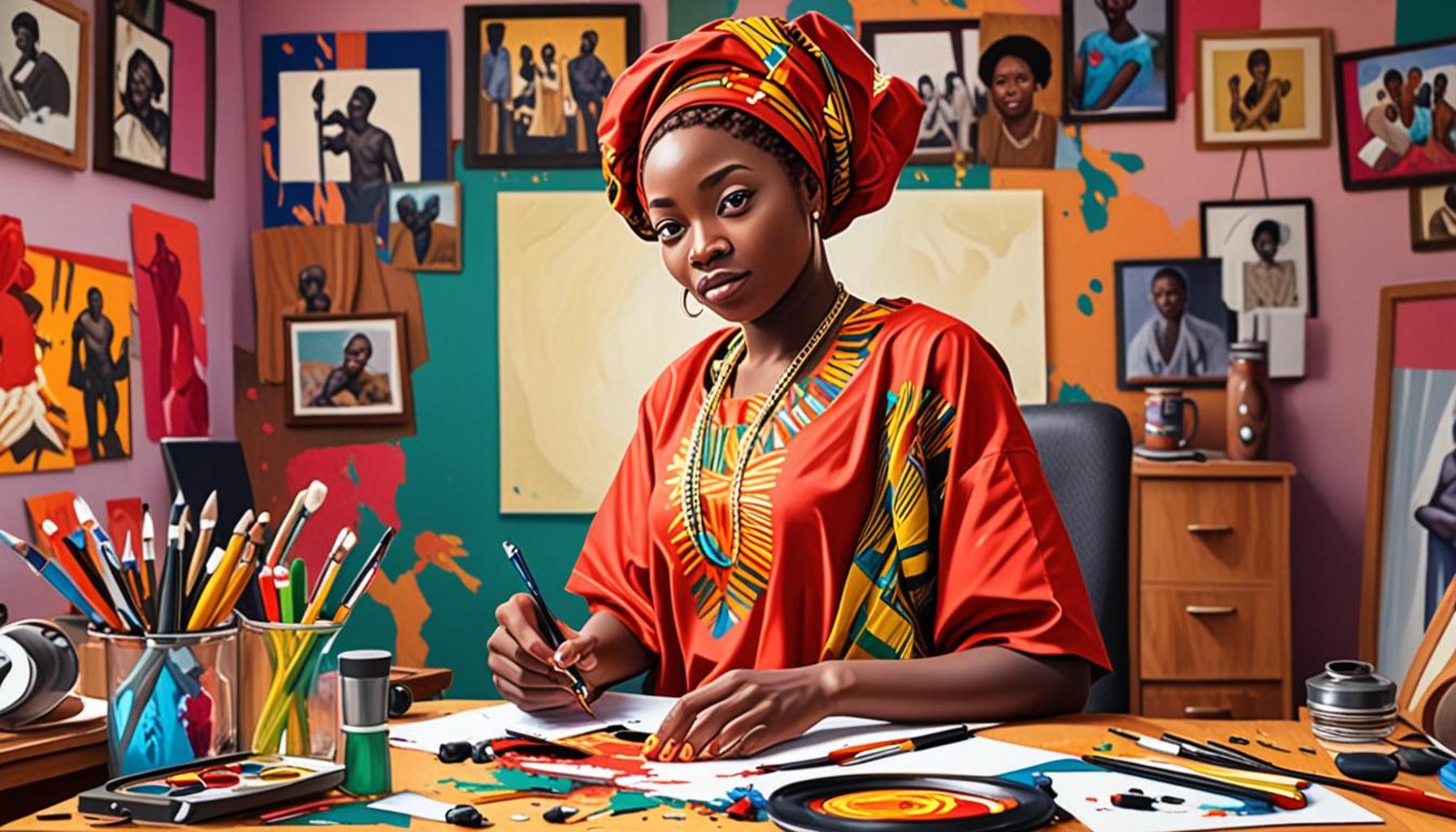
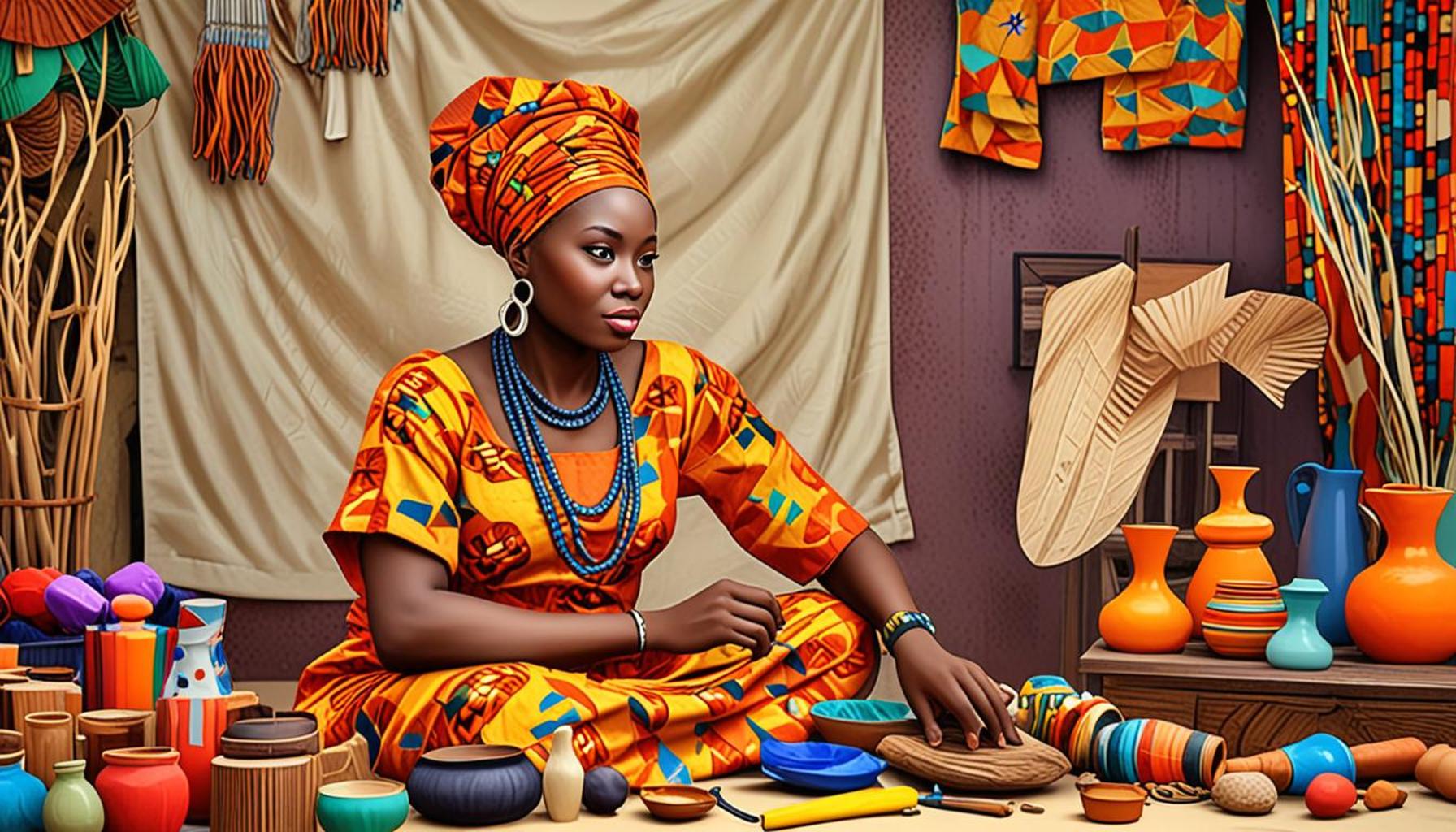
Nigeria is a tapestry woven with diverse cultures, each thread representing centuries of tradition and artistry. Traditional craftsmanship stands as a testament to this rich heritage, showcasing creativity that has evolved through generations. In a rapidly changing world, the question arises: how do these ancient techniques endure?
The Voice of Craftsmanship
- Textiles: Nigerian textiles echo the vibrant cultural landscapes of the country. The Aso Oke fabric, famous for its bold patterns and rich textures, is traditionally woven by the Yoruba people and often used in ceremonial clothing. Similarly, Adire cloth, originating from the Yoruba, utilizes indigo dyeing techniques that create intricate designs, often telling stories through their patterns. Artisans continue to innovate with these textiles, incorporating contemporary motifs that resonate with younger generations while honoring age-old methods.
- Woodwork: Nigeria’s woodwork is a reflection of both artistic expression and functional design. Skilled artisans specialize in carving sculptures that depict elements of local mythology and everyday life. The craftsmanship can be seen in the elegant wooden masks from the Igbo culture, used in traditional ceremonies, or in the beautifully crafted calabashes used for everyday purposes and communal gatherings. Each piece tells a story, preserving the practices and beliefs of its creators.
- Metalwork: The legacy of metalwork in Nigeria, particularly bronze casting, remains a significant cultural hallmark, especially in cities like Benin. The Benin Bronzes, exquisite artifacts created from brass and other alloys, depict historical figures and scenarios, serving as a chronicle of the kingdom’s past. This technique, passed down through generations, showcases not only artistic skill but also the rich history embedded within the region’s communities.
The evolution of these crafts reveals a dynamic interplay between tradition and modernity. Each piece not only serves a function but tells a story of identity and resilience. By exploring this intricate world, we discover how craftsmanship plays a vital role in preserving Nigerian culture. It is not just about creating objects; it is about maintaining a link with the past and fostering a sense of belonging among the present and future generations.
The Future of Craftsmanship
As globalization influences local environments, many artisans face significant challenges such as competition from mass-produced goods and the erosion of traditional skills. However, there is a growing awareness of the need to celebrate and sustain these traditions. In various communities across Nigeria, initiatives are popping up that aim to revive interest in traditional crafts, encouraging both local and international support.
There is a promising trend in the innovative fusion of modern designs with age-old techniques. For instance, contemporary designers are collaborating with seasoned artisans to create items that not only appeal to modern sensibilities but also integrate traditional methods, thus crafting new narratives and ensuring the relevance of Nigerian craftsmanship in today’s marketplace. By embracing both heritage and modernity, these artisans are paving the way for a future where craftsmanship thrives, where cultural pride continues to flourish, and where stories are passed down, forever etched in every handcrafted item.
CHECK OUT: Click here to explore more
A Journey Through Time: The Craftsmanship Narrative
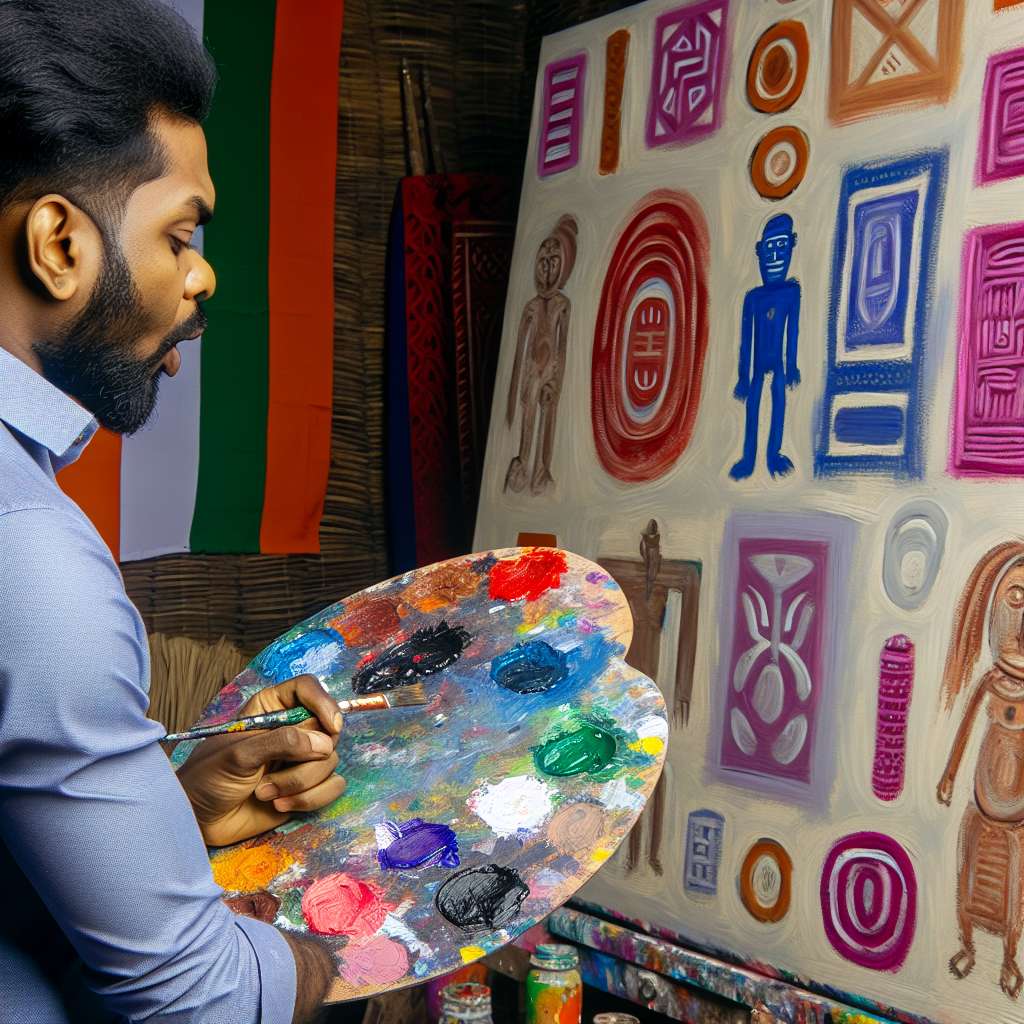
As we delve deeper into the essence of traditional craftsmanship in Nigeria, it becomes clear that each artisan’s work is more than just a product; it embodies cultural identity, personal expression, and communal heritage. The rich diversity across Nigeria, encompassing over 250 ethnic groups, offers a profound spectrum of craft techniques and styles, each unique yet interlinked. Traditional crafts serve not only as functional items but also as tools for storytelling, a medium through which history and values are passed from one generation to the next.
The Significance of Craftsmanship in Nigerian Society
Culturally, craftsmanship holds immense significance in Nigeria. It is reflected in numerous aspects of daily life, seasonal festivities, and social ceremonies, allowing communities to celebrate their identities. Among the various forms of art practiced, the following highlight the evolution and importance of craftsmanship:
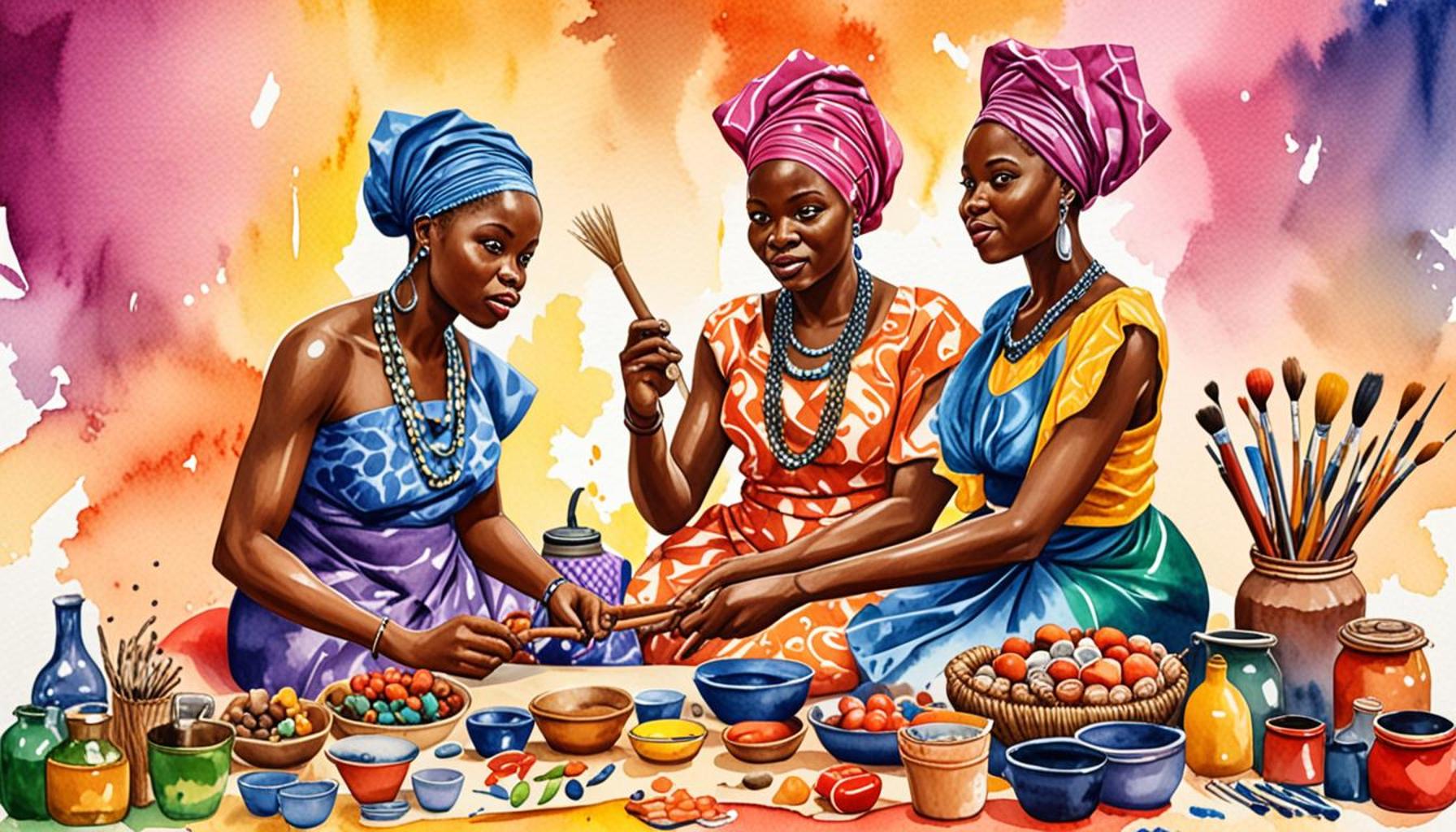
- Pottery: In villages throughout the Niger Delta, artisans create beautiful pottery that is both functional and decorative. This age-old craft is deeply rooted in the history of communities, where pots often carry cultural symbolism and are used in rites of passage, marriage ceremonies, and communal gatherings. Women predominantly take on this role, showcasing their skills in shaping clay into intricate designs and patterns that tell stories of their heritage.
- Beadwork: Beadwork, prevalent among several ethnic groups, not only embellishes clothing and accessories but also signifies status and cultural affiliation. The colorful beads, crafted from various materials such as glass, seeds, and clay, have evolved to incorporate contemporary designs while maintaining traditional techniques. This melding of styles creates a vibrant aesthetic that appeals to both local and international audiences.
- Leatherwork: The art of leatherwork, particularly among the Fulani and Hausa peoples, produces items such as bags, shoes, and various ceremonial wares. Traditionally, leather goods symbolize craftsmanship and finesse. Through the evolution of techniques and collaboration with artisans around the globe, Nigerian leatherwork has gained reputation and recognition in luxury markets.
The fusion of tradition with modernity characterizes the ongoing narrative of these crafts, revealing a landscape where innovation thrives. Artisans are not merely preserving their craft; they are adapting to contemporary demands and trends while honoring their ancestral roots. This synergy fosters the emergence of a new wave of craft that engages younger generations and reinforces cultural pride.
As we explore the journey of traditional craftsmanship in Nigeria, it becomes evident that it plays a crucial role in combating cultural erosion. Each art form is a repository of knowledge, passion, and history, embedding a sense of belonging in the collective consciousness of the nation. The ongoing evolution of these crafts highlights their significance as a means of preserving culture through creativity, urging a reawakening of appreciation for the heritage that has shaped Nigeria’s identity.
The Role of Traditional Craftsmanship in Cultural Identity
In Nigeria, traditional craftsmanship is more than just an economic activity; it is a vital expression of cultural identity that has been passed down through generations. Each artisan’s unique skills and methods reflect the rich history and diverse cultures of the various ethnic groups in Nigeria. This craftsmanship, from weaving to pottery, showcases the historical narrative of Nigeria, telling stories of lineage, tradition, and creativity.
Each piece of handcrafted work carries with it a narrative that connects the maker to their ancestry. For instance, the intricate masquerade masks made by the Yoruba people or the elegant beadwork from the Igbo tribe serve purposes beyond aesthetics; they are integral to cultural celebrations and rituals. Engaging in these crafts not only preserves the past but also promotes intergenerational dialogue about the importance of cultural heritage.
Modern Influences and Adaptation
With globalization, traditional craftsmanship in Nigeria is experiencing a transformation. Artisans are now blending conventional techniques with contemporary designs, appealing to both local and global markets. This fusion of styles has fostered an environment where traditional artisans can innovate while holding onto their cultural roots. Moreover, storytelling through these crafts is becoming a powerful marketing tool, attracting tourists interested in authentic Nigerian experiences, thereby enhancing the economic viability of traditional arts.
Social media platforms also play a significant role in this renaissance. Artisans are using these platforms to showcase their work, tell their stories, and connect with consumers worldwide. This exposure is not only revitalizing interest in traditional crafts but also encouraging young people to pursue careers in these fields, thereby helping to sustain this rich cultural practice for future generations.
| Category | Description |
|---|---|
| Cultural Preservation | Maintains traditions and stories through craftsmanship. |
| Economic Impact | Generates income and boosts local economies through tourism. |
The ongoing evolution of traditional craftsmanship in Nigeria is a compelling narrative of resilience, creativity, and cultural significance, inspiring both artisans and audiences alike to partake in preserving this unique heritage. Through continued support and innovation, Nigeria’s rich traditions can thrive in the modern age.
RECOMMENDED: Check out this similar article
Bridging Generations: The Role of Education and Innovation
As the world pivots toward rapid modernization, the challenge for traditional craftsmanship in Nigeria is not just to survive but to flourish. Educational initiatives and community workshops have become critical platforms for knowledge transfer, breathing new life into time-honored traditions. Initiatives led by both government and non-governmental organizations are fostering interest in these crafts among youth, connecting them with their heritage while promoting economic benefits.
Empowering the Younger Generation
The evolution of traditional craftsmanship is being significantly shaped by programs that target young people. Through hands-on workshops and training sessions, artisans share their expertise with eager students, ensuring that skills are not lost to time. Grassroots organizations such as the Nigerian Artisans’ Cooperative are instrumental in such efforts, focusing on handcraft skills like weaving, pottery, and jewelry-making. By weaving aspects of storytelling into their teaching, they create an engaging environment that captivates the younger generation’s imagination.
This educational approach is vital, as it empowers the youth to become not only practitioners but also innovators. The integration of technology, such as using social media platforms to showcase their work, has propelled them into new markets, both locally and internationally. Young artisans are discovering how to marry traditional techniques with modern design aesthetics, opening new avenues for income while promoting the cultural stories embedded in their crafts.
The Impact of Globalization and Commerce
Globalization presents both challenges and opportunities for traditional craftsmanship in Nigeria. As international markets become accessible, artisans are compelled to adapt their products to meet diverse consumer preferences while maintaining their cultural essence. This transformative interaction encourages collaborative efforts between Nigerian artisans and global designers, leading to innovative products that appeal to a wider audience.
Moreover, the demand for sustainable and ethically produced goods has created room for Nigerian crafts to shine. Items such as handmade baskets from the Nupe people and textiles from the Aso Oke tradition are increasingly recognized for their quality and cultural significance, reflecting an increasing global appreciation for artisanal work. This awareness not only uplifts the artisans but instills pride in communities steeped in these time-honored practices.
Challenges in the Craft Industry
Despite the positive outlook, traditional craftsmanship in Nigeria faces significant hurdles. Issues such as lack of funds, government support, and infrastructure continue to pose threats to many artisans. Moreover, the influx of mass-produced goods often undermines the prices of handcrafted items, making it difficult for artisans to compete economically. The balance lies in striking a chord between preserving the authenticity of their crafts while engaging with contemporary market dynamics.
Advocacy for the recognition of craftsmanship as vital cultural heritage and an economic asset is crucial. Government policies that prioritize the support of these artisans through grants, training programs, and awareness campaigns could significantly enhance their sustainability. Efforts to label and promote Nigerian crafts on international platforms can also turn the tide, creating a stronger global presence for authentic Nigerian craftsmanship.
The journey of traditional craftsmanship in Nigeria continues to evolve, fueled by creativity, passion, and a determination to cement cultural identities. As artisans forge ahead, their resilience in overcoming challenges opens new chapters in the narrative of creativity that is rooted deeply in the rich heritage of the Nigerian people.
ADDITIONAL INSIGHTS: Expand your understanding here
Conclusion: The Future of Traditional Craftsmanship in Nigeria
The journey of traditional craftsmanship in Nigeria is a testament to the enduring spirit of creativity and cultural identity. As artisans navigate the complexities of modern existence, the fusion of age-old skills with contemporary demands is invigorating this vibrant sector. Educational initiatives aim to empower the youth, equipping them not only with traditional techniques but also with the innovative mindset necessary for success in a global marketplace. This strategic blend of education and technology is crucial for carving out a sustainable future for Nigerian craftsmanship.
Moreover, the evolving dynamics of globalization present both challenges and exciting opportunities. Nigerian artisans are witnessing a renaissance, wherein their creations—whether it be intricate Nupe baskets or stunning Aso Oke textiles—are celebrated for their sustainability and cultural significance on global platforms. Consequently, this not only elevates their economic standing but also fosters pride within communities that treasure their heritage.
However, for this progress to be enduring, collective efforts are essential. Advocacy for improved support systems—ranging from financial backing to infrastructure development—coupled with efforts to promote Nigerian craftsmanship internationally, can significantly enhance the visibility and viability of these crafts. The future of traditional craftsmanship hinges on a delicate balance between maintaining authenticity and embracing innovation.
Ultimately, as Nigeria continues to evolve, so too does the narrative of its traditional crafts. Embracing this evolution, while honoring the stories of the past, ensures that Nigerian craftsmanship not only survives but flourishes as a vibrant emblem of cultural pride and creativity, inspiring generations to come.