Culinary and Community: The Role of Gastronomic Gatherings in Strengthening Social Ties in Nigeria
Connecting Through Culinary Delights
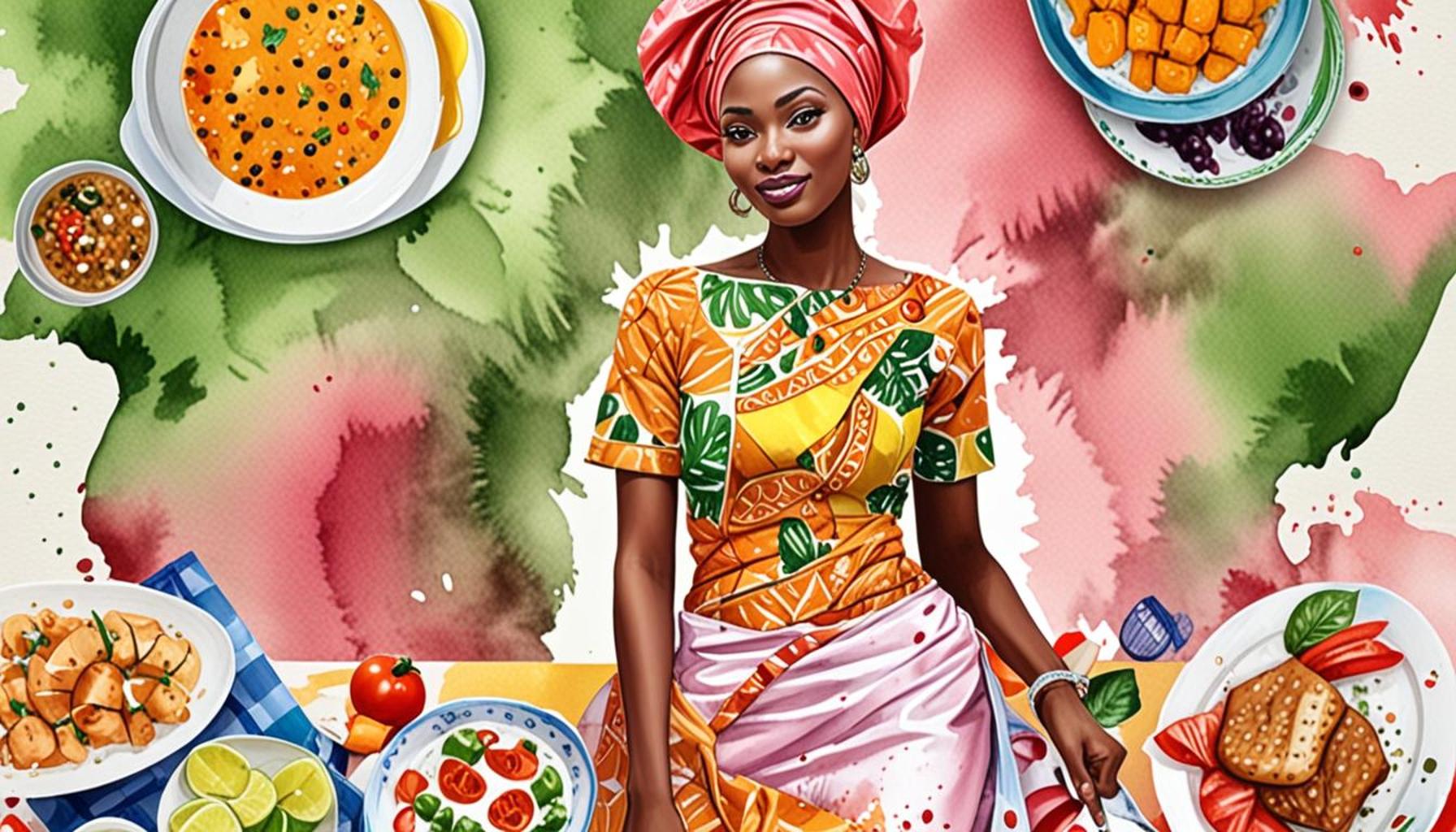
In Nigeria, the multifaceted act of sharing food goes well beyond mere sustenance; it evolves into a profound mechanism for community bonding. Culinary gatherings, whether they take place in bustling cities or quiet villages, offer a unique opportunity for connection among individuals from diverse cultural backgrounds. Food becomes a medium for storytelling, cultural exchange, and forging relationships that transcend ethnic lines.
- Cultural Significance: Nigerian dishes such as jollof rice, pounded yam, and egusi soup are imbued with deep-rooted traditions and historical significance. Jollof rice, often a centerpiece at celebrations like weddings and birthdays, symbolizes communal joy and is a unifying dish that varies widely in preparation styles across the regions. In the north, the spice-laden rice reflects the influence of Hausa culture, while in the southwest, variations may incorporate local ingredients like fish or chicken, showcasing the local palate. Similarly, pounded yam, a staple dish accompanied by a rich variety of soups, represents comfort and togetherness, often prepared for family gatherings to emphasize unity and warmth.
- Community Festivals: Events such as the Calabar Carnival, touted as Africa’s biggest street party, and the Lagos Food Festival serve as vibrant showcases of local cuisines and cultural heritage. These festivals attract thousands and provide a platform for local chefs to demonstrate their culinary prowess. They also reinforce social ties as families and friends come together to enjoy mouthwatering dishes while participating in cultural performances and activities that celebrate Nigerian arts and music. These festivals not only highlight Nigeria’s rich culinary landscape but also encourage local tourism and economic opportunities, weaving food into the fabric of community pride.
- Family and Friendship: In homes across Nigeria, family gatherings centered around shared meals promote lively discussions and foster interpersonal relationships. From the bustling markets to family kitchens, the emphasis on food brings people together to exchange ideas and support one another. Events like Sunday lunches serve as a vital time for families to reconnect, share laughter, and uphold traditions through recipes passed down through generations. For many Nigerians, these moments are not just about eating but about preserving a cultural legacy.
These gastronomic events serve as melting pots where various ethnicities come together, allowing individuals to share stories and recipes. Through food, Nigerians celebrate their rich heritage, all while seamlessly transitioning into modernity. The ability to adapt traditional recipes with contemporary twists illustrates the dynamic nature of Nigerian cuisine.
As friendships blossom over shared plates filled with diverse dishes, the essence of community becomes undeniably palpable. Food, in its various forms, reflects the intricate tapestry of Nigerian society, emphasizing that culinary gatherings play a crucial role in reinforcing social ties and enhancing cultural pride across the nation. They stand as a testament to the enduring bonds formed through food, showcasing that in Nigeria, a meal is much more than just a meal; it is an experience that cultivates connection, understanding, and harmony among its people.
SEE ALSO: Click here to read another article
The Heartbeat of Community: Food as a Catalyst for Connection
In Nigeria, the communal experience of food is inseparable from the formation of deep social bonds. Culinary gatherings—ranging from local food fairs to vibrant family meals—exemplify the essence of connection among individuals. These events encapsulate more than just the act of sharing meals; they serve as a platform for forging relationships and fostering camaraderie across Nigeria’s diverse ethnic landscape.

- Culinary Intersections: As Nigerians gather around dining tables or food stalls, they encounter a rich tapestry of regional flavors and traditions. The sharing of meals encourages dialogues about cultural differences and similarities. For example, traditional dishes like rice and beans, or pepper soup, may evoke personal anecdotes that bridge generational gaps, allowing grandparents to share historic recipes with younger family members. This generational exchange is vital, as it instills a sense of cultural pride and continuity among families.
- Religious Gatherings: Festivities surrounding religious observances often center on specific culinary traditions that hold deeper meanings for believers. During the Ramadan period, the breaking of fast with traditional Nigerian delicacies like samosas and dodo (fried plantain) fuels not just physical nourishment but emotional and spiritual connections among Muslim communities. Similarly, Easter and Christmas celebrations in Nigeria feature unique dishes that tie together cultural identity and religious devotions, strengthening communal unity through shared rituals and feasting.
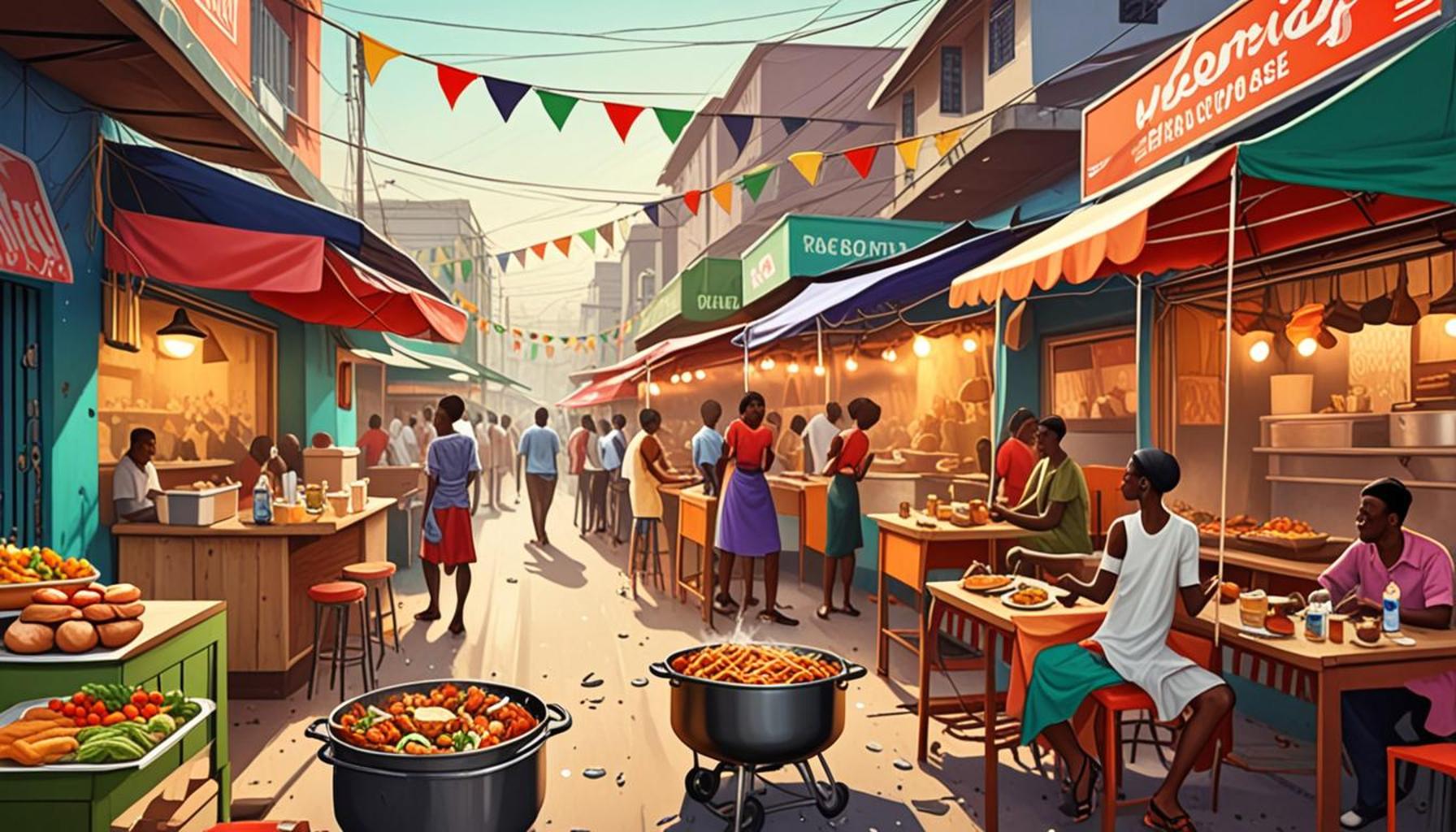
- Local Food Markets: The bustling atmosphere of local food markets, such as the famous Oyingbo Market in Lagos or the ancient Wuse Market in Abuja, highlights the social nature of food commerce. Here, traders and customers interact, exchanging not only recipes and cooking tips but also stories that enhance local relationships. These vibrant marketplaces become vital spaces where community members learn about one another’s customs and cultivate friendship through shared goods and experiences.
Moreover, culinary gatherings in Nigeria provide essential opportunities for dialogue and intercultural understanding. When different tribes come together to celebrate a communal feast—where dishes from the Yoruba, Igbo, and Hausa cuisines coexist—it fosters a spirit of inclusivity that transcends ethnic divides. These interactions enable a shared discovery of different cooking traditions while celebrating the similarities that bind Nigerians together.
The intersection of food and community encapsulates the true spirit of Nigerian culture, revealing an intricate bond formed through the sharing of meals. As individuals partake in feasts and festivals, they not only satisfy their hunger but also nourish their bonds with one another. This cultural phenomenon is not just a showcase of culinary richness but a profound embodiment of unity that exemplifies how gastronomic gatherings play a pivotal role in strengthening social ties across the nation.
Culinary Delights: A Bonding Experience
The essence of community gatherings in Nigeria often revolves around the rich tapestry of its culinary offerings. Gastronomic gatherings serve as a cultural melting pot where diverse ethnic groups showcase their unique dishes, contributing to a shared identity. From the vibrant colors of Jollof rice to the spicy allure of Suya, each dish tells a story that resonates with the attendees. These gatherings not only highlight the local cuisine but also foster interactions among individuals from various backgrounds, breaking down barriers and building friendships.
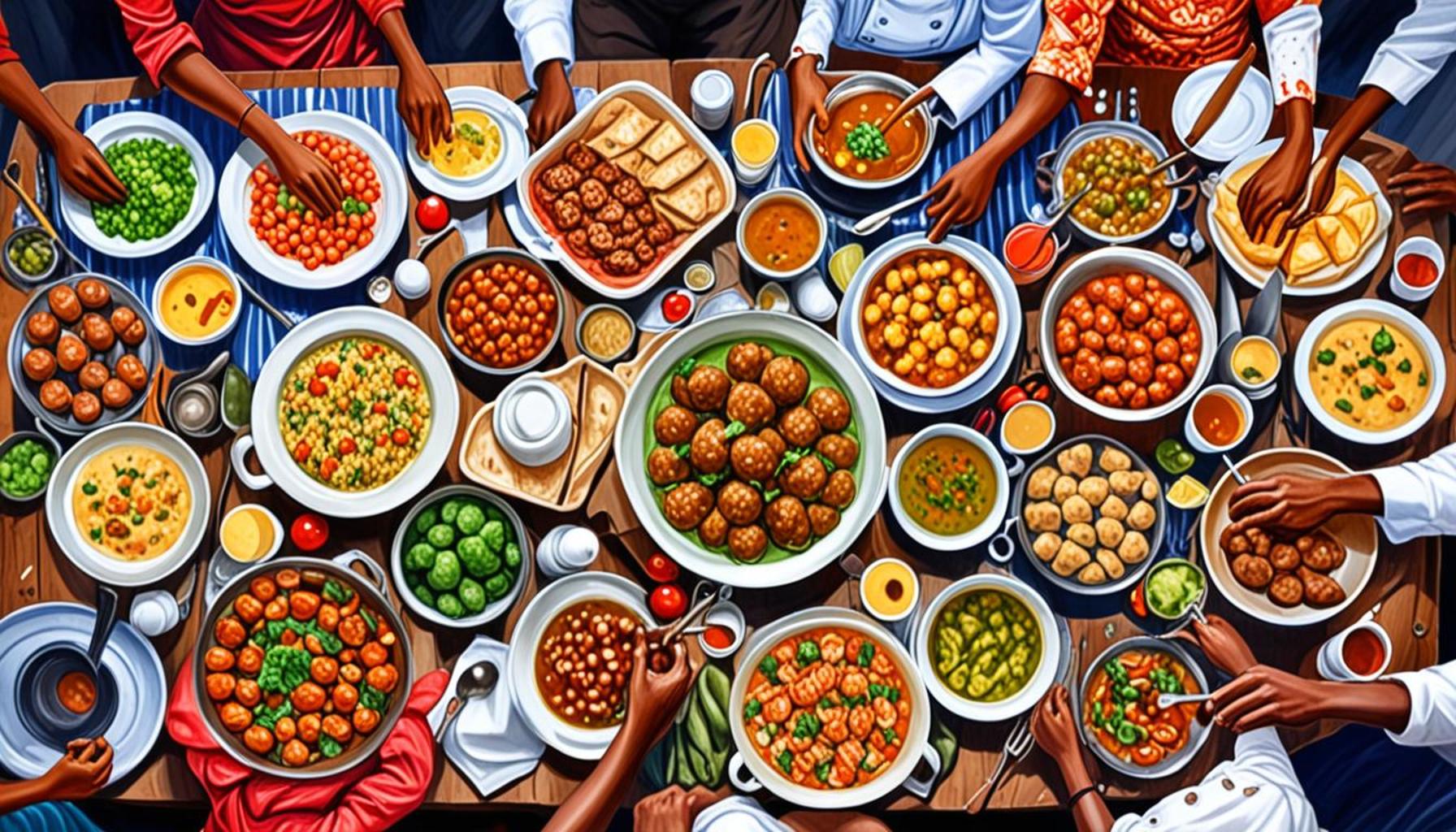
Moreover, food has a unique way of bringing people together. In Nigeria, sharing meals is synonymous with sharing experiences, emotions, and histories. Festivals and communal feasts often see families and friends coming together, creating a delightful atmosphere filled with laughter, storytelling, and camaraderie. This shared experience deepens connections, as participants engage in the culinary process, often through collaborative cooking or food preparation, which invites an atmosphere of teamwork and unity.
The Economic Impact of Culinary Gatherings
Beyond the social fabric, culinary gatherings also wield significant economic power. Local vendors and traditional cooks find a platform to display their culinary skills, opening avenues for income generation. These events not only enhance the visibility of local delicacies but contribute to the economic sustainability of rural and urban communities alike. Furthermore, the influx of visitors drawn to these culinary experiences sparks tourism, leading to further economic opportunities.
| Community Bonding | Social Benefits |
|---|---|
| Culinary Traditions | Fostering cultural identity and continuity. |
| Inclusivity | Creating a space for diverse communities to connect. |
Thus, the combination of delightful culinary experiences with community engagement establishes a framework that not only strengthens social ties but also enhances cultural appreciation across various Nigerian communities. As these gatherings continue to evolve, they represent a crucial pillar in both social cohesion and economic vitality.
LEARN MORE: This related article may interest you
The Culinary Canvas: Showcasing Diversity and Heritage
Culinary gatherings in Nigeria serve as a vibrant canvas that portrays the country’s rich diversity and heritage. At these events, the act of food preparation becomes an art form, and various cooking styles spotlight regional specialties that reflect historical influences and local resources. This gastronomic showcase not only tantalizes taste buds but also strengthens community ties by celebrating shared heritage and identities through food.
- Festival Feasts: Across Nigeria, food festivals such as the Calabar Festival and the Jollof Festival have become notable events attracting locals and tourists alike. These festivals offer a space for individuals to come together, share their culinary expertise, and indulge in signature dishes from different regions. From the spicy jollof rice of the South-West to the native egusi soup of the South-East, attendees experience a delicious journey through Nigeria’s culinary landscape. Such festivities enhance local pride and the sense of belonging, creating lasting memories that forge deeper connections among attendees.
- Traditional Ceremonies: Nigerian culture emphasizes the significance of food in rites of passage such as weddings, naming ceremonies, and religious celebrations. During weddings, families go to great lengths to showcase their culinary heritage by preparing elaborate dishes that reflect their background. These ceremonies not only honor familiar traditions but also foster communal spirit, as guests from various backgrounds come together to partake in the feast. The sharing of traditional meals like pounded yam with assorted soup symbolizes unity and togetherness among guests, further promoting interpersonal connections.
- Food Co-ops and Cooking Workshops: In modern urban centers, food cooperatives and cooking workshops have emerged as platforms for community engagement. Here, participants collaborate to produce local delicacies, exchange cooking tips, and build friendships in the process. Initiatives such as “Cooking for a Cause” blend culinary teachings with social responsibility, encouraging individuals to unite over shared meals for charitable purposes. By nurturing practical cooking skills while fostering social bonds, these gatherings empower communities to collaborate on various projects for greater well-being.
The culinary experience goes beyond taste; it embodies storytelling, reminiscence, and connection across generations. In many Nigerian households, story-sharing often occurs around the dining table, where elders recount the origins and significance of specific dishes. This tradition not only serves to entertain but also helps instill valuable lessons and cultural values in younger generations. Thus, the act of enjoying food and storytelling becomes intertwined, enriching personal heritage and communal identity.
As guests relish traditional dishes side by side, the barriers imposed by class, ethnicity, and social differences often dissipate. The communal pot—whether filled with rice, beans, or soup—invites everyone to partake equally, reinforcing the idea that unity can be celebrated through food. These culinary experiences reflect an essential truth: food brings people together, intertwining individual stories within a broader communal narrative and fostering a strong sense of belonging in an increasingly diverse and complex society.
LEARN MORE: This related article may interest you
Conclusion: The Heart of Community Through Culinary Connections
In Nigeria, the significance of culinary gatherings transcends mere food consumption; they embody a rich tapestry of culture, identity, and community spirit. As explored throughout this article, gatherings such as food festivals, traditional ceremonies, and culinary workshops are more than just occasions to relish delectable dishes; they serve as vital platforms for fostering social bonds and creating shared experiences. Through the potent medium of food, individuals from diverse backgrounds converge, dissolve barriers of class and ethnicity, and engage in a collective celebration of heritage.
Moreover, the integration of culinary arts into societal interactions paves the way for a deeper understanding of one another’s cultural narratives, nourishing both the body and the soul. As various regions showcase their unique culinary practices, they not only promote local pride but also cultivate a spirit of belonging that enriches the Nigerian community as a whole. From the flavors of warming soups shared during family celebrations to the vibrant exchanges at local food cooperatives, these gatherings epitomize the essence of unity in diversity.
Ultimately, the role of gastronomic events in Nigeria goes beyond the plate; they create an environment where interpersonal connections flourish, ideas are exchanged, and communal harmony is reinforced. In a rapidly changing world, the power of food remains a steadfast conduit through which social ties are strengthened and cultural legacies are passed down, making it imperative for us to continue celebrating these culinary traditions that bind us together.