How Afrobeat Inspires New Musical Styles Instruments Worldwide
The sounds of Afrobeat have transcended borders, leaving an indelible mark on the global music scene. This genre, originating from West Africa, is not only a rhythmic powerhouse but also a rich tapestry that intertwines various cultural influences. It has sparked the emergence of innovative musical styles and inspired the development of new instruments, pushing the boundaries of creativity in music.
As musicians and creators explore this vibrant genre, they uncover unique rhythms and harmonies that resonate with audiences worldwide. The fusion of traditional African sounds with jazz, funk, and pop has birthed a plethora of subgenres, reshaping how we perceive and create music today. In this article, we will delve into the top 5 significant influences of Afrobeat on contemporary music and the innovative instruments that have emerged as a result.
Join us as we explore the inspirational journey of Afrobeat in creative hobbies, uncovering how this genre has not only enriched the music landscape but also provided a platform for collaboration and cultural exchange across the globe.
Top 5: The Influence of Afrobeat on the Creation of New Musical Styles and Instruments
The vibrant, polyrhythmic genre known as Afrobeat, which emerged from West Africa in the late 1960s, has not only permeated the music landscape globally but also become a cornerstone for countless new styles and innovations in musical instruments. With its origins in Nigeria, spearheaded by the legendary Fela Kuti, Afrobeat blends traditional African music with elements of jazz, funk, and highlife, creating a rich tapestry that has captivated audiences worldwide. In this article, we will explore the top five ways in which Afrobeat has influenced the creation of new musical styles and instruments, showcasing its endless capacity for innovation and inspiration.
5. Fusion With Jazz and Funk
Afrobeat’s seamless amalgamation with jazz and funk marks one of its most profound influences. Pioneers like Fela Kuti drew heavily from American jazz greats such as Miles Davis and John Coltrane, and funk icons like James Brown. They incorporated intricate horn arrangements and dynamic improvisation into their music, creating an evolving soundscape that was both revolutionary and exciting.
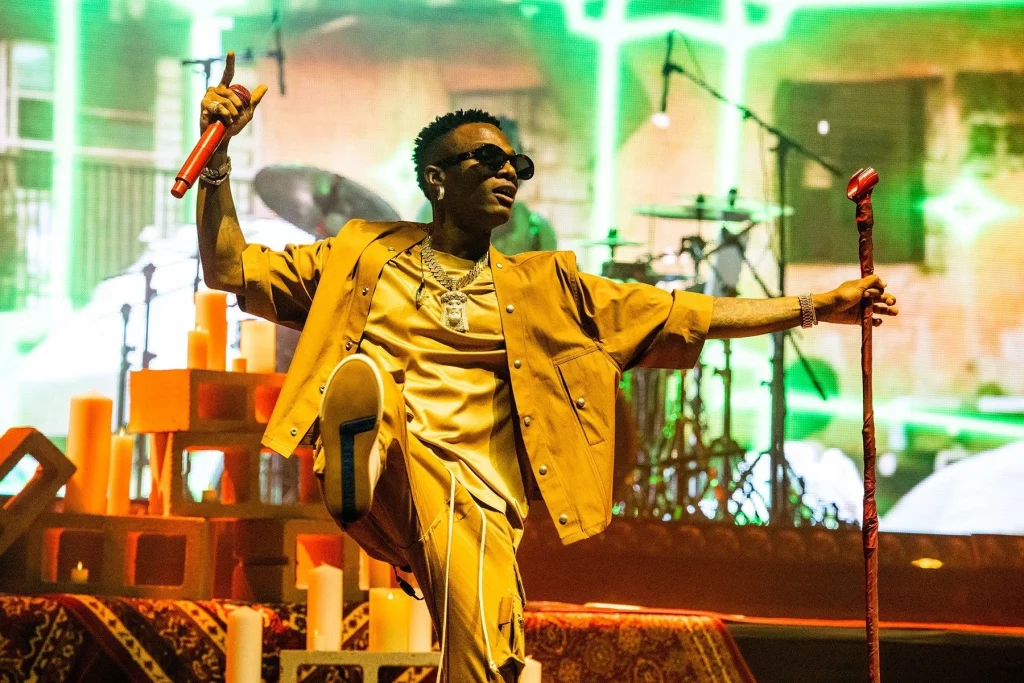
This combination led to the birth of new genres such as Afro-funk and Afro-jazz. Contemporary bands like The Comet is Coming and Antibalas have kept this tradition alive. Through lively use of horns, complex rhythms, and layered percussion, these artists invite audiences to explore a sound that is deeply rooted in African traditions while being profoundly influenced by Western jazz. Their music challenges listeners to engage with a dynamic and energetic form of expression that transcends cultural boundaries.
4. The Birth of Afro-house
Afrobeat’s pulsating rhythms have played a crucial role in the evolution of Afro-house, a genre that melds electronic and house music with traditional African beats. Originating in the late 2000s, Afro-house has carved a unique presence in the global dance music scene, celebrating both its African heritage and modern electronic experimentation.
Artists like Black Coffee and Culoe de Song have become synonymous with Afro-house. Their innovative tracks feature repetitive, hypnotic rhythms juxtaposed with soulful vocal samples, creating a fresh sonic experience that is both ancestral and avant-garde. This genre’s rise on international dance floors is a testament to Afrobeat’s enduring influence and the universal appeal of its rhythmic complexity.
3. The Creation of New Instruments
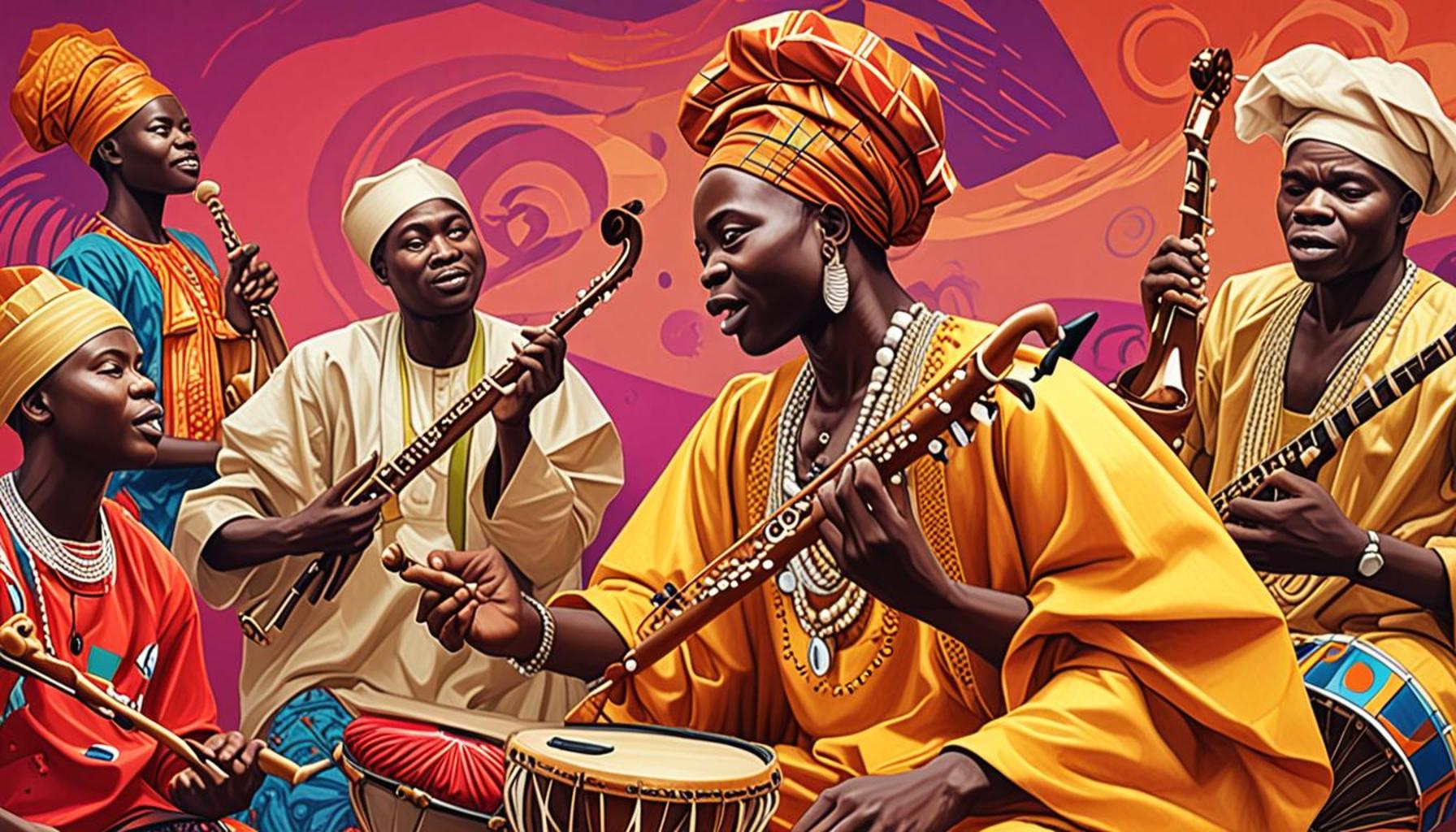
The rhythmic complexity of Afrobeat has inspired the design and creation of new musical instruments. Traditional African instruments, such as the djembe and talking drum, have been both preserved in their original forms and adapted with modern technology. This evolution highlights how Afrobeat serves as a bridge between the past and the present, honoring tradition while embracing innovation.
Electronic instruments, like drum machines and synthesizers, have also found a place within the genre, offering artists a broader range of sounds and possibilities. Electronic drumming pads allow musicians to program and perform intricate African rhythms live, revolutionizing performances with new soundscapes. This meeting of technology and tradition exemplifies Afrobeat’s role in pushing the boundaries of musical creativity.
2. Influence on Hip-hop and R&B
Afrobeat’s impact has extended into hip-hop and R&B, enabling a vibrant cultural exchange that enriches these genres with authentic African rhythms and styles. Major mainstream artists, including Beyoncé, with her album “The Lion King: The Gift,” and Drake, particularly his hit “One Dance,” have incorporated Afrobeat elements into their music, driving the genre’s international popularity.
These artists not only showcase Afrobeat through their music but also collaborate with African musicians, amplifying the global reach of the genre while simultaneously celebrating cultural diversity. This crossover appeal has fostered a new wave of artistic experimentation, highlighting Afrobeat as a fresh template for lyrical storytelling and rhythm that resonates with younger audiences.
1. Globalization of Musical Styles
At the pinnacle of Afrobeat’s influence is its role in the globalization of musical styles. Afrobeat has transcended its geographical roots to establish connections among various communities across the globe. Its role as a cultural bridge has made Afrobeat a vital symbol of cross-cultural collaboration, unity, and understanding.
Cities like London, New York, and Lagos have vibrant Afrobeat scenes where artists gather to experiment and innovate, drawing from Afrobeat’s rich melodic and rhythmic foundations to create new blends and fusions. Major music festivals celebrating Afrobeat have begun to emerge worldwide, further promoting the genre’s values of diversity and inclusion.
The continuous evolution and adaptation of Afrobeat stand as a testament to its power and significance. As artists from different cultural backgrounds experiment with its sounds, Afrobeat not only enriches the global music scene but also fosters a sense of belonging, community, and artistic expression. In conclusion, Afrobeat is not just a genre; it’s an influential force that continues to shape the musical landscape, inspiring creativity, innovation, and cross-genre collaborations.
| Category | Description |
|---|---|
| Cultural Exchange | Afrobeat has played a pivotal role in bridging cultural divides, allowing Western musicians to explore African rhythms and sounds, thus enriching the global music landscape. |
| Innovation in Instrumentation | The genre has led to the creation and adaptation of various instruments, combining traditional African instruments with electronic sounds, giving birth to entirely new musical textures. |
| Rhythmic Complexity | Afrobeat’s intricate polyrhythms encourage musicians to experiment, which has influenced modern genres like hip-hop and jazz, contributing to a vibrant fusion of musical styles. |
| Social Commentary | The genre often serves as a platform for political and social messages, paving the way for artists to express their views on cultural identity and social justice, thus inspiring movements beyond music. |
FAQs on the Influence of Afrobeat in Creating New Musical Styles and Instruments
What is Afrobeat and how did it originate?
Afrobeat is a complex fusion of traditional African music elements such as highlife, traditional Yoruba music, and jazz, among others. It originated in the late 1960s, pioneered by Nigerian musician Fela Kuti. He, along with drummer Tony Allen, developed this unique genre that blends percussive rhythms with horn sections, chant-like vocals, and socially voiced lyrics.
How has Afrobeat influenced modern musical styles?
Afrobeat’s impact on music is substantial, influencing genres such as funk, hip-hop, and pop. Its rhythmic complexity and reliance on heavy grooves have inspired international artists like Beyoncé and Burna Boy, fostering a new wave called Afrobeats, a pop-centric derivative. Afrobeat’s emphasis on polyrhythms and west-African motifs have not only inspired new forms of music but also encouraged the fusion of diverse styles, creating a more globally connected soundscape.
Which instruments are typically used in Afrobeat music?
Afrobeat heavily relies on a variety of instruments such as drums, bass guitar, congas, and shekeres which underpin its pulsating beats. A signature feature is its brass section, often composed of trumpets and saxophones that lend a vibrant energy to the music. Additionally, the electric guitar plays a critical role in creating the distinct rhythmic patterns essential to Afrobeat.
Has the rise of Afrobeat led to the creation of any new musical instruments?
While Afrobeat itself hasn’t directly spawned new instruments, its global spread and fusion with various international sounds have led to the reinterpretation of existing instruments. Musicians have experimented with traditional instruments like the djembe and kalimba, integrating them into contemporary bands to enrich the Afrobeat sound, essentially creating a modern context for these instruments.
What impact has Afrobeat had on global music culture?
Afrobeat has significantly influenced global music culture, transcending its African roots and gaining recognition worldwide. Festivals, concerts, and music platforms have embraced this genre, showcasing its dynamic sound. This international embrace has helped promote African cultural narratives globally, encouraging pride and appreciation in African music and heritage. Its socially conscious lyrics also echo worldwide, offering not just musical enjoyment but a platform for discussions around social and political issues.
Conclusion
The influence of Afrobeat music on the creation of new musical styles and instruments is a testament to the genre’s profound impact on the world of creative hobbies. Originating in the cultural melting pot of Nigeria, Afrobeat has served as a catalyst for innovation, blending traditional African rhythms with jazz, funk, and highlife. This fusion has not only enriched the global music scene but also inspired the development of unique musical instruments and techniques.
As outlined in our article, Afrobeat’s rhythmic complexity and emphasis on beating patterns have paved the way for new genres such as Afro House and Afrobeats, while also revitalizing interest in traditional instruments like the talking drum and djembe. The experimentation with electronic sounds has further bridged the gap between traditional African music and contemporary global beats, fostering a dynamic space for creative exploration.
Moreover, the genre’s emphasis on message-driven lyrics continues to resonate, inspiring musicians worldwide to use music as a platform for social change and positive activism. The global spread of Afrobeat showcases its intrinsic value not just as a genre but as a powerful movement that transcends cultural barriers and encourages musical cross-pollination.
In a world where creative hobbies offer a haven for personal expression and cross-cultural connections, the legacy of Afrobeat remains pivotal. By offering a rich tapestry of sound that invites innovation, Afrobeat challenges musicians and hobbyists alike to think beyond traditional boundaries, ensuring its continuing influence for generations to come. Whether you’re a musician, instrument maker, or enthusiastic listener, the vibrant energy of Afrobeat promises endless opportunities for discovery and exploration.
In conclusion, Afrobeat stands as a vibrant and indelible mark on the musical landscape, reinforcing the power of cultural fusion and the continuous evolution of art and creativity.