Sustainable Craft Techniques: How to Create Beauty with Recycled Materials

The Allure of Eco-Friendly Artistry
As awareness of environmental issues continues to grow, many individuals are searching for ways to make a positive impact. One such avenue is the captivating world of sustainable crafting. This innovative practice not only allows for the creation of beautiful art but also transforms materials that would have otherwise ended up in landfills into valuable creations.
By incorporating a variety of recycled materials, crafters can unleash their creativity while being environmentally conscious. Here are some noteworthy sources of materials to consider:
- Plastic bottles – These ubiquitous items, often discarded after a single use, can be repurposed into decorative planters for succulents or vibrant sculptures that add flair to indoor spaces. A particularly imaginative project might involve cutting and painting the bottles to create whimsical flower shapes that can hang from trees in a garden.
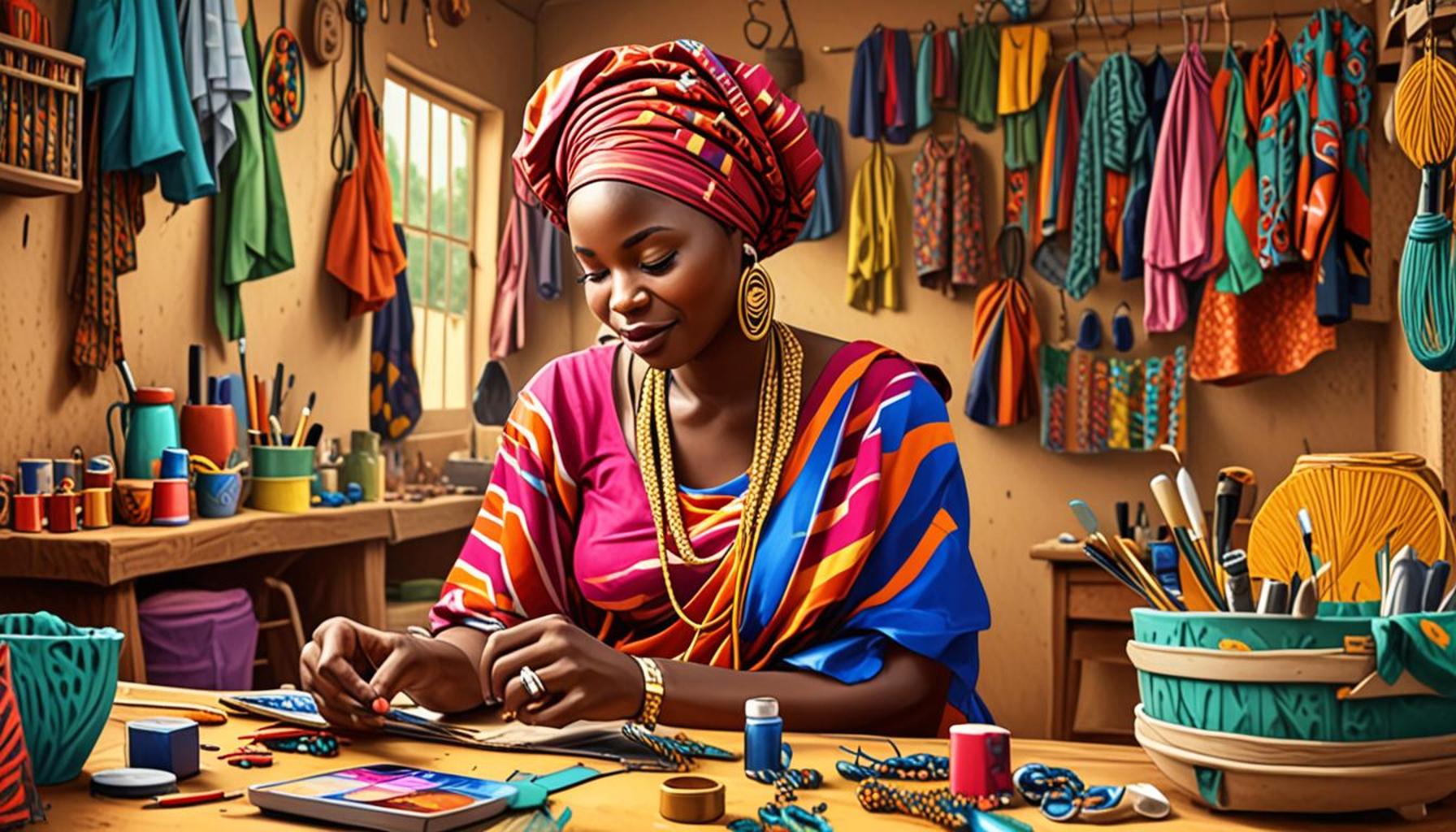
- Old textiles – Fabric scraps from clothing production or personal sewing projects can be transformed into cozy quilts, trendy tote bags, or even fashion accessories. In Nigeria, the vibrant traditional textiles such as Ankara or Aso-Oke can be combined with old garments, giving them new life while showcasing cultural heritage.
- Paper waste – Used cardboard, magazines, and newspapers can be crafted into stunning handmade cards or intricate paper mâché art. Consider creating elaborate decorations for festive occasions or even functional items like boxes and organizers that reflect personal style.
- Glass jars – Repurposing empty glass jars offers endless possibilities, from rustic lanterns that can light up an outdoor gathering to stylish storage for kitchen spices. These jars can be adorned with jute or painted designs, making them both practical and decorative.
Sustainable crafting not only celebrates ingenuity but also fosters a profound connection to the environment and the community. By choosing to use materials that are sustainable, you participate in the movement towards reducing landfill waste and fostering a culture of recycling. This approach resonates particularly in Nigeria, where creative reuse can reflect both societal values and personal expression.
The possibilities inherent in sustainable crafting are boundless. From stunning wall art to functional home decor, making art from everyday trash is an inspiring challenge. By sharing your creations and techniques with others in your community, you can encourage a collective effort towards sustainability—a movement that not only beautifies spaces but also cultivates a shared responsibility for the environment. Explore local workshops or online platforms dedicated to sustainable crafting to discover new ideas and connect with like-minded individuals, thus sparking joy and creativity in the journey towards a greener future.
YOU MAY ALSO LIKE: Read read another article
Unlocking Creativity with Repurposed Goods
Harnessing the potential of recycled materials not only fosters creativity but also serves the dual purpose of promoting sustainability in our fast-paced, consumer-driven society. In Nigeria, where the abundance of waste materials often surpasses effective waste management, there lies a unique opportunity to transform seemingly useless objects into works of art. This transition from waste to creativity not only helps alleviate the environmental burden but also engages communities in meaningful and imaginative ways.
One of the first steps to embracing sustainable craft techniques is understanding the diverse range of materials at your disposal. Here are some popular options to consider when diving into your crafting journey:
- Cans and tins – Once empty, these metallic containers can be upcycled into attractive planters or vibrant storage solutions. With just a bit of paint, some twine, or even decoupage techniques, ordinary cans can elevate your home decor.
- Wood scraps – The leftover pieces from construction or furniture projects can be repurposed into beautiful handmade items like picture frames, birdhouses, or even children’s toys. In Nigeria, traditional woodworking skills can be blended with modern design trends to create unique, culturally-relevant items.
- Electronics waste – Old gadgets and parts—from circuit boards to keyboard keys—can be transformed into cutting-edge jewelry or eclectic art pieces. This innovative approach not only reduces electronic waste but also fuels the intersection of technology and artistry.
- Natural materials – Dried leaves, twigs, or stones can become the foundation of various artisanal projects, including wreaths or wall decorations. These elements can be sourced locally, enhancing the connection to the environment.
Engaging in sustainable crafting has a ripple effect beyond individual enjoyment. It cultivates an awareness of environmental responsibility and inspires others to rethink their consumption habits. By participating in craft fairs or community workshops, artisans in Nigeria can share their skills and showcase their creations, creating a vibrant platform for cultural exchange and community bonding. Outdoor events or local markets often feature unique handmade items that reflect local heritage, illustrating how recycled materials can honor traditions while addressing modern sustainability challenges.
Moreover, as you explore sustainable crafting, you may discover various techniques such as weaving, mosaic making, or upcycling that highlight the beauty of imperfection—turning discarded items into treasures. This mindset shift encourages a new appreciation for materials that may have previously gone unnoticed. The art of crafting with recycled materials ultimately blurs the line between waste and art, inviting everyone to find beauty in the unexpected.
So grab those discarded items and let your imagination run wild. Each piece you create not only contributes to a sustainable future but also adds to the rich tapestry of artistic expression within your community.
| Advantages | Details |
|---|---|
| Environmental Impact | Recycling materials reduces waste and conserves natural resources, promoting a healthier planet. |
| Creativity and Innovation | Sustainable crafts encourage artisans to explore unique designs, transforming everyday items into stunning works of art. |
| Cost-Effectiveness | Repurposing materials often incurs lower costs than purchasing new supplies, making crafts accessible to a broader audience. |
| Community Engagement | Such initiatives foster collaboration among crafters and local communities, encouraging the sharing of techniques and ideas. |
As we delve deeper into the topic of Sustainable Craft Techniques, it is essential to recognize the diverse advantages of using recycled materials. Engaging with sustainability goes beyond mere aesthetics; it embodies a commitment to the environment, economy, and community well-being. By adopting these techniques, crafters can contribute to reducing the carbon footprint and fostering a circular economy. The joy of creating beauty from waste sparks not only personal satisfaction but also nurtures a collective spirit among advocates of sustainability. Utilizing everyday materials such as plastic bottles, old textiles, or discarded wood can lead to awe-inspiring designs that challenge conventional norms of beauty. These practices invite individuals to reimagine their relationship with materials, empowering them to express their creativity while championing sustainable living. Delving into the world of sustainable crafting unveils a plethora of possibilities — showcasing that true beauty arises not only from the finished product but from the transformative journey of creation itself. The excitement of crafting sustainably captivates enthusiasts and professionals alike, drawing them into a community united by the goal of redefining beauty through responsible practices. The act of creating art using recycled materials is a recipe for innovation, community connection, and a harmonic lifestyle that supports both personal and environmental health.
ADDITIONAL INSIGHTS: Expand your understanding here
Innovative Techniques for Transforming Waste
As we delve deeper into the artistry of sustainable crafting, it becomes essential to explore innovative techniques that not only breathe new life into discarded items but also enhance our creative expression. In Nigeria, where traditional craftsmanship meets modern ingenuity, artisans are adopting methods that celebrate both culture and environmental sustainability.
Upcycling is perhaps one of the most prominent techniques that has gained traction globally, and Nigeria is no exception. This method involves taking old materials and enhancing their value through creative repurposing. For example, discarded plastic bottles can be transformed into stunning garden decorations or functional lighting fixtures. Many Nigerian crafters have started workshops to teach communities the skills needed to turn waste into desirable products, empowering participants while also reducing landfill burden.
Another fascinating technique is weaving, utilizing materials such as old clothes or fabric scraps. By repurposing denim or cotton, artisans can create vibrant rugs, bags, and even wall hangings that not only serve practical purposes but also narrate stories of heritage and sustainability. Various communities across Nigeria are known for their unique weaving styles, blending tradition with a modern twist that attracts both local and international markets.
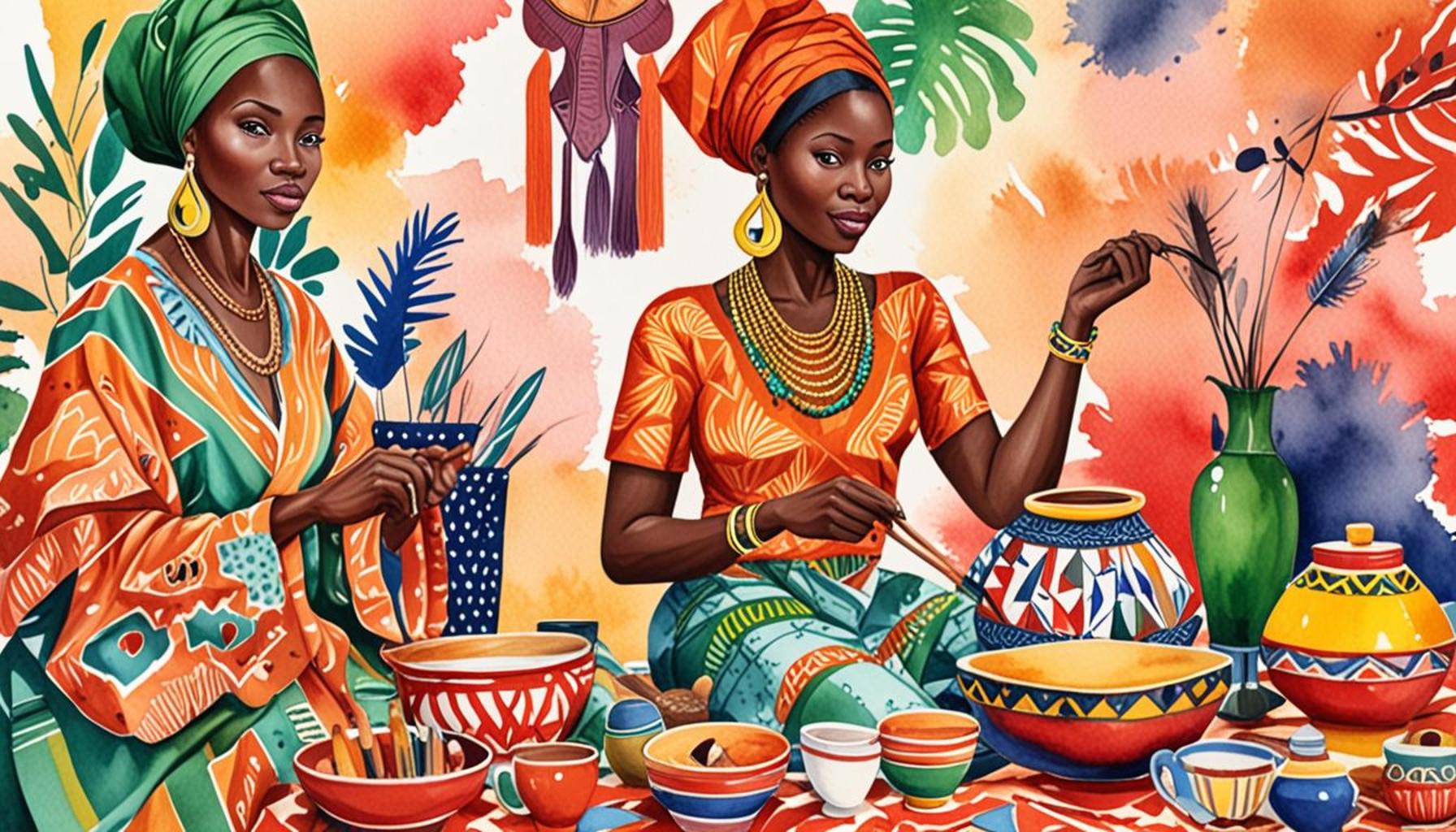
The mosaic technique is yet another creative avenue to explore. With this method, broken tiles, glass, or pottery can be repositioned and glued into new designs, forming visually captivating pieces of art. Artists in Nigeria have embraced this technique, transforming the art of mosaic making into both an elegant decoration and a powerful commentary on waste reduction, where broken pieces reflect resilience and beauty in imperfection.
- Textile painting – Old fabrics can be painted or printed with sustainable dyes, giving them a fresh new life while promoting eco-friendly practices within the textile industry.
- Paper mache – Using waste papers like newspapers and magazines, artisans can create decorative items, sculptures, or functional ware like bowls and vases. This technique not only highlights the importance of paper recycling but also nurtures the connection between craftsmanship and storytelling.
- Furniture upcycling – Old furniture can be revitalized with a fresh coat of paint, new upholstery, or additional features such as shelving. Craftspeople in Nigeria often combine traditional woodworking techniques with modern design concepts, yielding functional and stylish pieces that tell an intricate story.
Importantly, while engaging in these sustainable craft techniques, enthusiasts are encouraged to share their methodologies with others. Social media platforms, local craft fairs, and community workshops offer excellent resources for collaboration, fostering an environment where knowledge and creativity flourish. Through these initiatives, sustainable crafting becomes not just a solitary pursuit but a community-driven movement aimed at raising awareness about waste reduction and environmental stewardship.
In summary, the world of sustainable crafting is filled with endless possibilities, especially as it pertains to the Nigerian context. By embracing innovative techniques such as upcycling, weaving, and mosaic making, artisans not only create beauty from waste but also pave the way for sustainable practices rooted in culture and community. This is the essence of transforming discarded materials into invaluable art that resonates beyond its surface aesthetic.
LEARN MORE: This related article may interest you
Conclusion
In the realm of sustainability, the intersection of artistry and ecological responsibility presents a remarkable avenue for innovation, particularly in Nigeria. The adoption of sustainable craft techniques like upcycling, weaving, and mosaic making not only exemplifies resourcefulness but also signifies a shift towards more conscious living. By transforming discarded materials into captivating works of art, artisans embrace the philosophy that waste can indeed become a source of beauty and functionality.
As communities unite to share skills and knowledge through workshops and local initiatives, the movement grows stronger. Social media platforms serve as vibrant hubs for inspiring creativity and fostering collaboration, inviting a broader audience to engage with these eco-friendly practices. The stories woven into each piece of artwork echo the Nigerian heritage while emphasizing the critical importance of sustainability in today’s world.
This journey towards sustainable crafting is more than a trend; it is an essential response to the environmental challenges we face. Each unique creation not only tells a story of cultural significance but also serves as a reminder of our shared responsibility to care for the planet. By embracing sustainable techniques, we can empower ourselves and others to envision a future where beauty is derived from mindful consumption and creativity.
Ultimately, the exploration of sustainable craft techniques opens doors to endless possibilities. As artisans continue to innovate and inspire, let us encourage the appreciation of beauty found in recycled materials—not just as objects but as catalysts for change, community, and a sustainable future.