
Sustainable Gardening: Ecological Practices to Create a Garden that Respects Nature
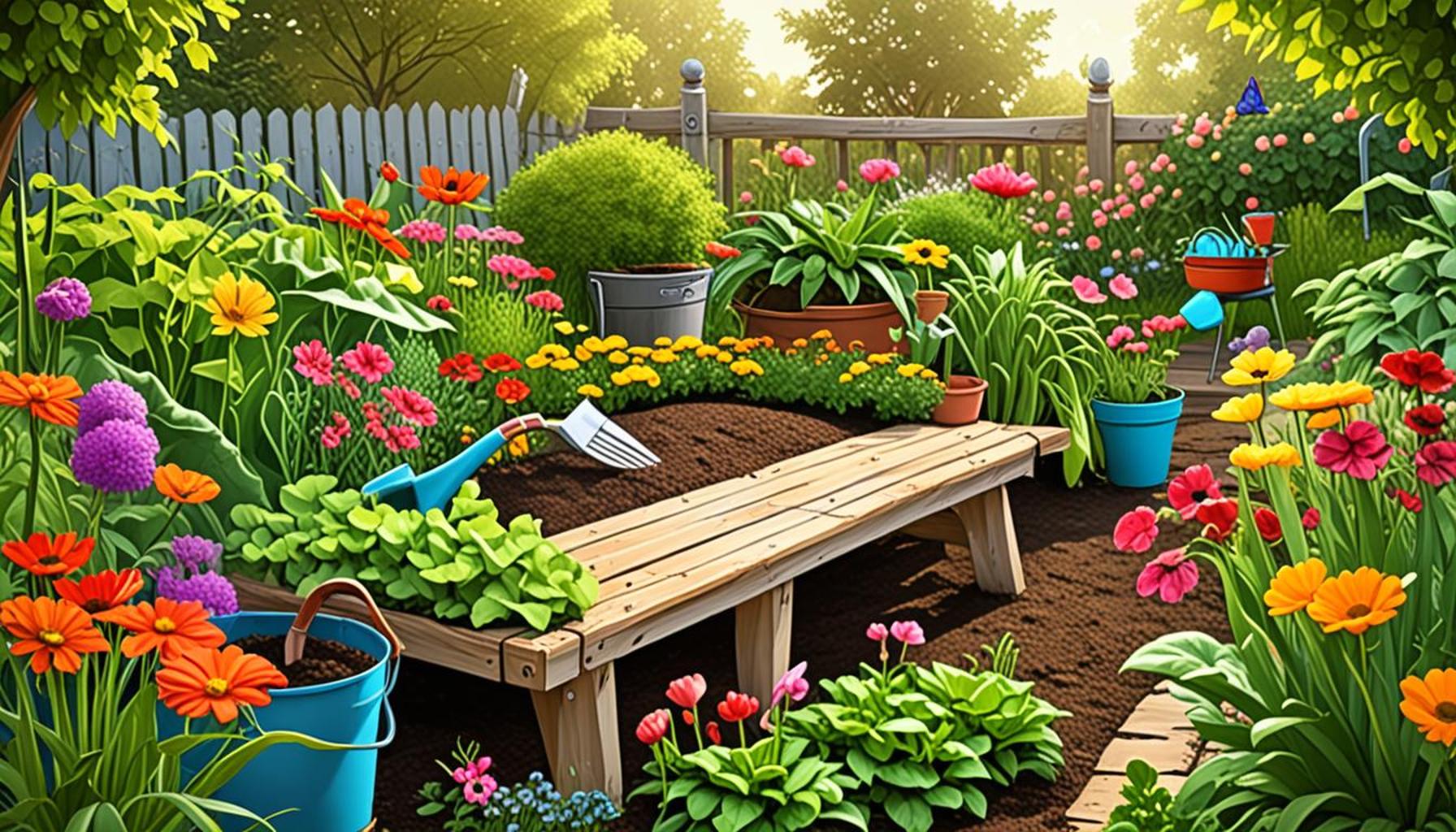
Explore the Future of Gardening
As the world becomes increasingly aware of environmental challenges, sustainable gardening emerges as a vital solution. This approach focuses on cultivating plants in ways that benefit both our gardens and the surrounding ecosystem. In Nigeria, where biodiversity is rich yet often threatened, the implementation of ecological practices is more crucial than ever.
Embracing sustainable gardening means integrating several principles that prioritize environmental health. Consider these core practices:
- Soil health: One of the foundational elements of sustainable gardening is improving soil health. Utilizing organic compost and natural fertilizers, such as animal manure and biochar, enriches the nutrient profile of the soil. For instance, in Yoruba land, local farmers often use palm kernel cake as a natural fertilizer, which not only boosts soil fertility but also enhances microbial activity.
- Water conservation: Given the seasonal availability of rain in Nigeria, implementing water conservation strategies is essential. Techniques such as rainwater harvesting can help recycle the limited water available, while drip irrigation systems ensure that plants receive water directly to their roots, reducing evaporation losses. Investing in such systems can mitigate the effects of drought and protect precious water resources.
- Native plants: Choosing indigenous species not only requires less maintenance but also fosters a habitat for local wildlife. In Nigeria, plants like the Baobab tree and African Marigold are well-adapted to local conditions and support various pollinators and beneficial insects. These native plants are also important for maintaining local biodiversity and reducing the need for chemical interventions in the garden.
These sustainable gardening methods offer practical and aesthetic benefits, fostering a deeper connection with nature. By integrating these practices, Nigerian gardeners are not merely beautifying their environments; they are participating in a larger movement towards ecological balance and resilience. The impact of sustainable gardening extends beyond the individual garden, contributing to overall community health and environmental stewardship.
For anyone considering a shift towards a more sustainable approach, the journey is both rewarding and educational. Are you ready to transform your garden into a sustainable haven that promotes ecological balance? The steps are simple yet impactful, and the rewards—bountiful harvests, enhanced biodiversity, and a rejuvenated connection with nature—are well worth the effort. Let’s embrace the future of gardening and protect our natural heritage for generations to come!
SEE ALSO: Click here to read another article
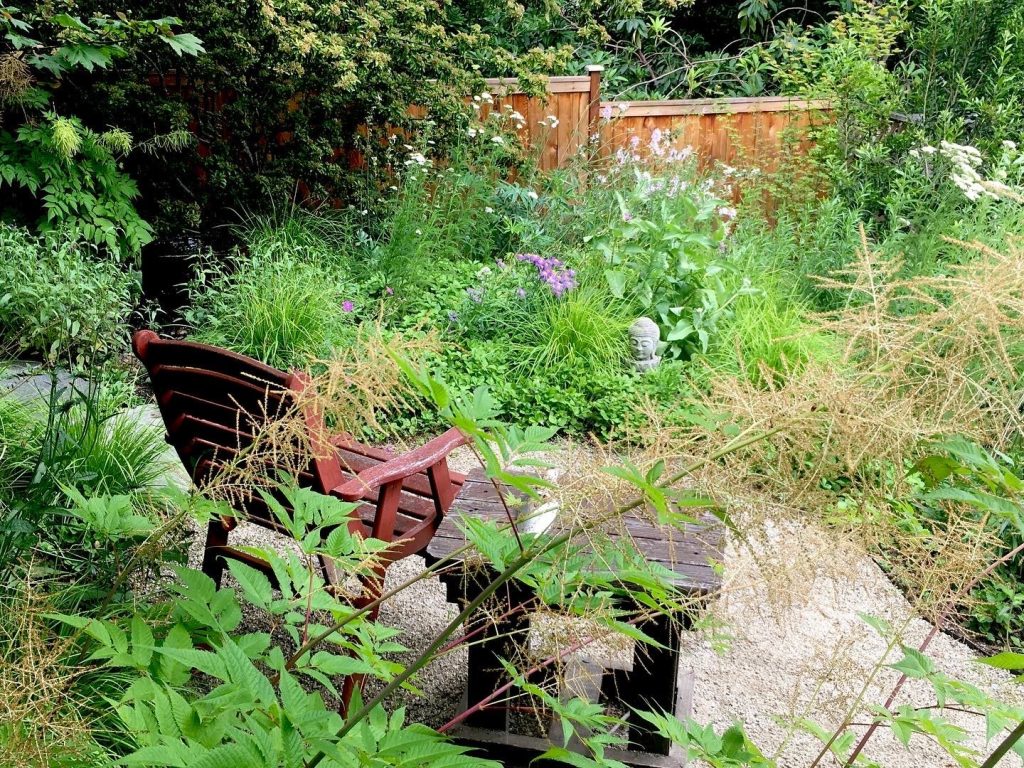
Foundations of Sustainable Gardening
To cultivate a garden that not only thrives but also respects the environment, understanding the fundamentals of sustainable gardening is essential. This practice embodies a holistic approach that harmonizes the intricacies of nature with gardening techniques designed to enrich both personal spaces and ecological health. So, what are the key elements to consider when building a sustainable garden in Nigeria? Let’s delve deeper.
Enhancing Biodiversity
One of the primary goals of sustainable gardening is to enhance biodiversity. By incorporating a mix of plant species, gardeners can create a mini-ecosystem that attracts various insects, birds, and beneficial organisms. For instance, planting cover crops like legumes not only adds nitrogen to the soil but also serves as food for pollinators. This promotes the natural balance within the garden environment, encouraging a resilient ecosystem.
Additionally, including flowering plants such as the African Blue Basil or Flame Lily can invite bees, butterflies, and other pollinators vital for fruit and seed production. Each layer of plant life in a sustainable garden helps form a complex food web that supports various forms of wildlife while also enriching the gardener’s experience.
Pruning and Mulching Techniques
A sustainable garden thrives on care and maintenance that aligns with ecological principles. Pruning is a crucial technique that allows plants to remain healthy and productive, while also preventing overcrowding and disease. Research suggests that regular and strategic pruning promotes better air circulation and sunlight penetration, which ideally leads to a richer harvest.
Similarly, mulching is another valuable method to improve garden vitality. It creates a protective layer on the soil, which helps to retain moisture, suppress weeds, and gradually enrich the soil as it decomposes. Common mulching materials include grass clippings, dried leaves, and even shredded bark. By utilizing these natural resources, gardeners can minimize waste while fostering a healthier garden environment.
Organic Pest Management
Pest management in sustainable gardening emphasizes the use of organic solutions rather than synthetic chemicals harmful to humans and wildlife. Techniques like companion planting, where certain plants are grown together to deter pests, can effectively minimize infestations. For instance, planting marigolds alongside vegetables can repel nematodes and other garden pests, creating a natural shield for precious crops.
Additionally, introducing beneficial insects, such as ladybugs and lacewings, can significantly reduce pest populations, as these creatures feed on aphids and other harmful insects. This form of biological pest control is not only effective but also fosters a balanced ecosystem that avoids the soil degradation associated with chemical pesticides.
The path to establishing a sustainable garden in Nigeria is paved with practices that nurture and respect nature. By focusing on biodiversity, adopting essential gardening techniques, and embracing organic pest management, gardeners can create spaces that contribute positively to the ecosystem while reaping the fruits of their labor.
| Category | Advantages |
|---|---|
| Soil Health | Promotes nutrient-rich soil using composting and natural fertilizers. |
| Biodiversity | Encourages a diverse ecosystem that supports beneficial insects and pollinators. |
| Water Conservation | Utilizes rainwater harvesting and drip irrigation to minimize water usage. |
| Reduced Chemical Usage | Limits the need for synthetic pesticides and herbicides, protecting wildlife. |
In the realm of sustainable gardening, soil health is paramount. By implementing composting techniques, gardeners can create a nutrient-dense environment that fuels plant growth while enhancing microbial activity. This practice not only boosts the fertility of the garden but also reduces waste by recycling kitchen scraps and yard debris.Moreover, fostering biodiversity is a key benefit of sustainable practices. A garden rich in diverse plant life attracts beneficial insects and pollinators, creating a resilient ecosystem. This enhances fruit and vegetable yields while naturally controlling pests, eliminating the reliance on harmful chemicals.Water conservation stands out as a crucial aspect of these ecological practices. By adopting strategies like rainwater harvesting and drip irrigation systems, gardeners can significantly reduce water waste and promote efficient resource use. Lastly, reducing chemical inputs such as pesticides and herbicides is a core principle of sustainable gardening. By maintaining a healthy, balanced ecosystem, gardeners can protect not only their plants but also the surrounding wildlife, leading to a more harmonious relationship with nature. As you explore the methods of sustainable gardening, you will uncover more benefits that contribute to our ecological future.
SEE ALSO: Click here to read another article
Soil Health and Water Conservation
Another vital aspect of sustainable gardening lies in maintaining healthy soil and conserving water. Soil serves as the foundation for all plant life; thus, its health directly impacts the garden’s prosperity. Implementing practices that improve soil structure and fertility ultimately leads to a more productive and ecologically sound environment.
Building Healthy Soil
To foster healthy soil, consider incorporating organic matter through composting. Kitchen scraps, yard waste, and other biodegradable materials can be transformed into nutrient-rich compost that enhances soil quality. Composting not only reduces landfill waste but also enriches the soil with essential nutrients and improves moisture retention, creating a more sustainable gardening practice.
Another method to enrich soil involves the use of green manures or cover crops. These are planted during the off-season and then tilled back into the soil to increase organic matter. They can prevent erosion, suppress weeds, and improve soil structure by adding vital nutrients. Including deep-rooted plants like sweet potatoes can also break up compacted soil and improve aeration, allowing for better root growth.
Water Conservation Techniques
Incorporating efficient water conservation techniques is crucial, particularly in regions of Nigeria where water scarcity might be an issue. One highly effective method is implementing a drip irrigation system, which delivers water directly to the root zone of plants, significantly reducing evaporation and runoff. This method ensures that water is utilized more efficiently, promoting healthy plant growth while conserving this precious resource.
Another sustainable technique is rainwater harvesting. By collecting rainwater from roofs and directing it into storage tanks, gardeners can create a reliable source of irrigation that is both eco-friendly and cost-effective. Simple systems using barrels can provide an excellent solution for small gardens, while larger setups benefit from tanks tailored for more extensive agricultural needs.
Permaculture Principles
Permaculture, short for permanent agriculture, incorporates sustainable gardening practices to create self-sufficient ecosystems. Utilizing the principles of permaculture enables gardeners to design their space thoughtfully, allowing for natural relationships between plants, animals, and the soil. For instance, integrating fruit trees, vegetable patches, and native plants can create guilds, or beneficial plant associations, that enhance productivity while minimizing required interventions.
Furthermore, permaculture zones encourage gardeners to organize plots based on frequency of use and intensity of care, leading to optimized labor and resource use. For example, high-maintenance plants can be situated closer to the home for easy access, while low-maintenance ones can thrive further away, effectively managing time and energy.
Adopting such ecological practices in sustainable gardening not only supports biodiversity but also nurtures the soil and conserves water — critical elements for a thriving garden. As more Nigerian gardeners embrace these strategies, we witness the emergence of flourishing ecosystems that pay homage to nature while providing sustenance and beauty.
YOU MAY ALSO LIKE: Read read another article
Conclusion
In conclusion, sustainable gardening represents an innovative approach to cultivating our natural environment while honoring its intrinsic value. By embracing practices focused on soil health, water conservation, and permaculture principles, gardeners not only enhance the productivity of their plots but also contribute to the preservation of ecosystems. By implementing composting and cover crops, we can build a thriving foundation of healthy soil that nourishes our plants and supports biodiversity.
Moreover, as water scarcity continues to pose challenges across various regions in Nigeria, the adoption of techniques such as drip irrigation and rainwater harvesting proves essential. These water-saving strategies empower gardeners to maximize every drop while cultivating resilient gardens that can weather changing climates.
As we explore the interconnectedness of human activities and natural systems, permaculture emerges as a guiding philosophy that teaches us to design our gardens as self-sufficient ecosystems. By fostering symbiotic relationships among plants and animals, we can create more balanced, productive environments that require less input and yield greater satisfaction.
Ultimately, the journey into sustainable gardening is not just a trend but a necessary response to the growing need for environmental preservation. As we nurture our gardens with sustainable principles, we pave the way for a healthier planet and inspire others to join in on this rewarding endeavor. Let us seize the opportunity to cultivate gardens that not only produce food and beauty but also reflect our commitment to respecting and nurturing the nature around us.