The Importance of Art as a Form of Cultural Expression in Nigerian Youth
The Power of Art in Shaping Nigerian Youth Culture
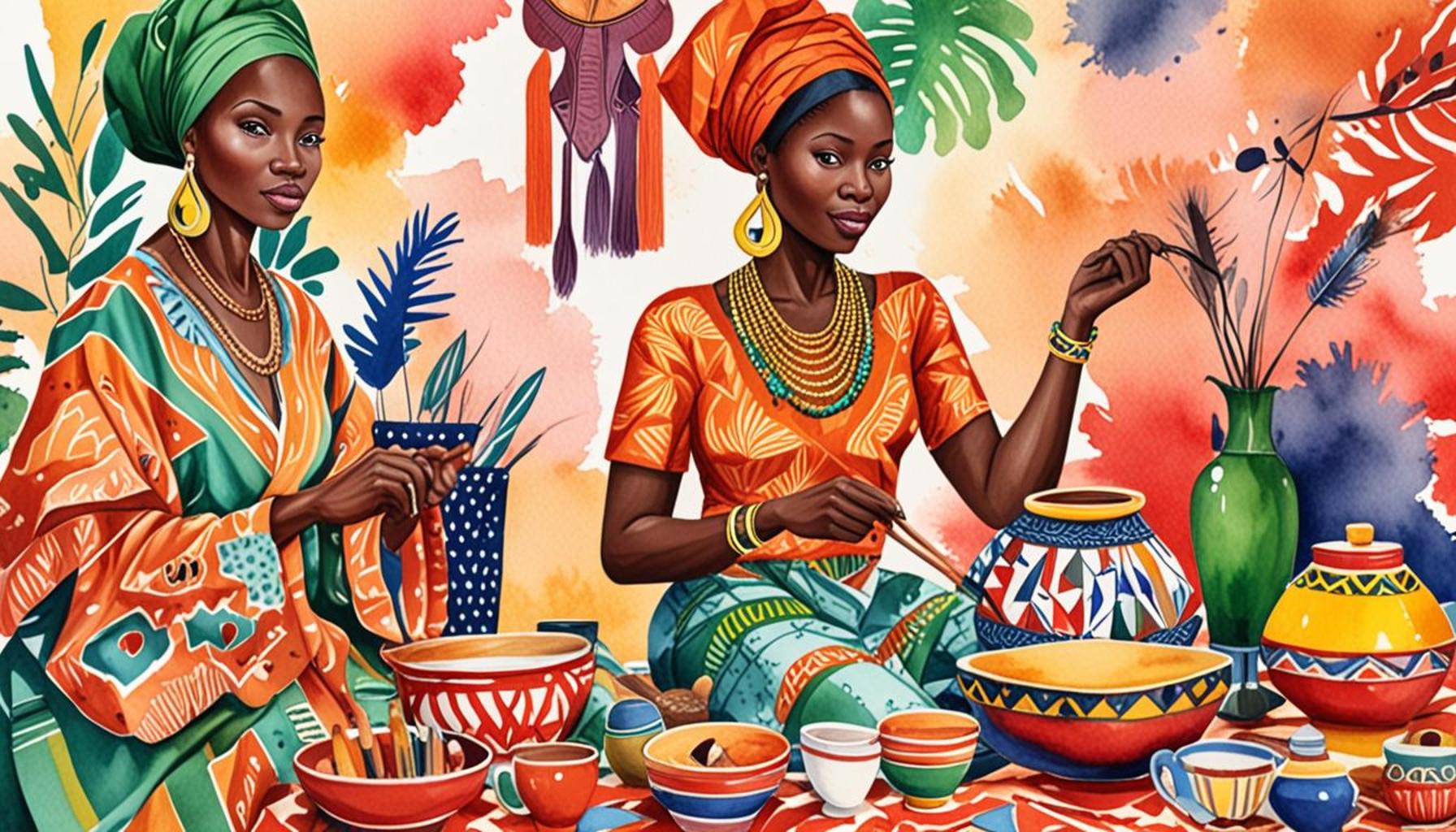
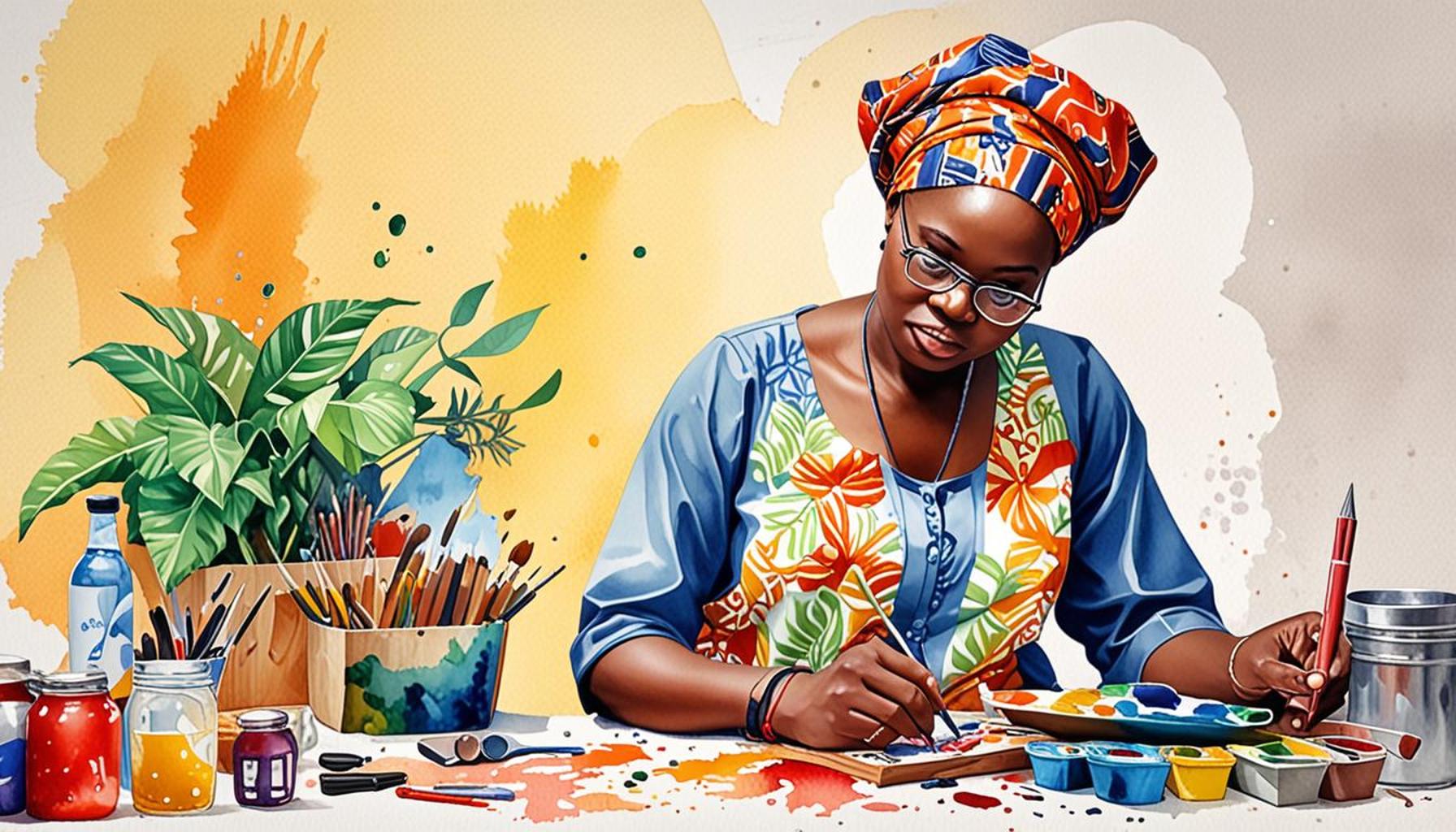
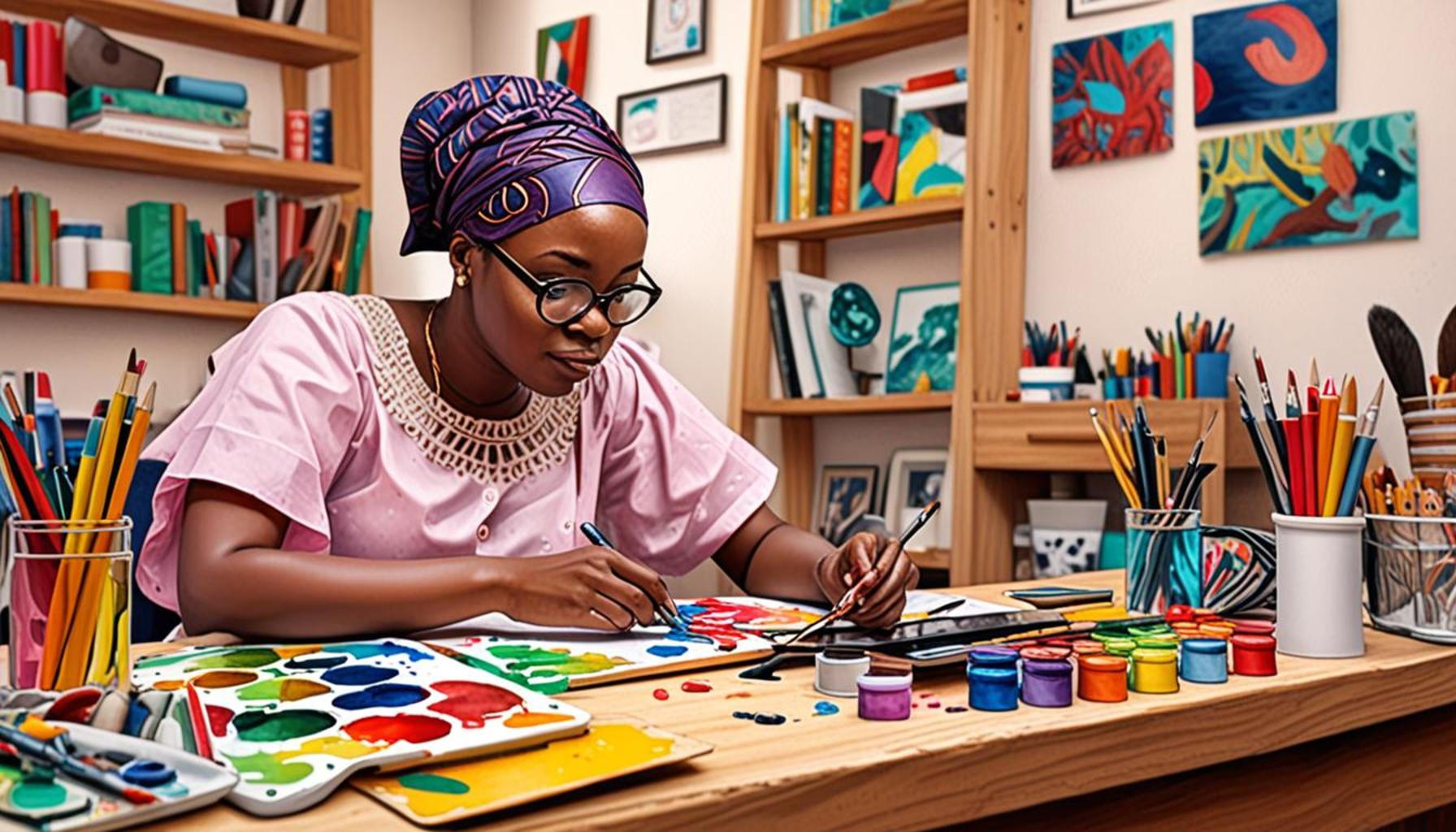
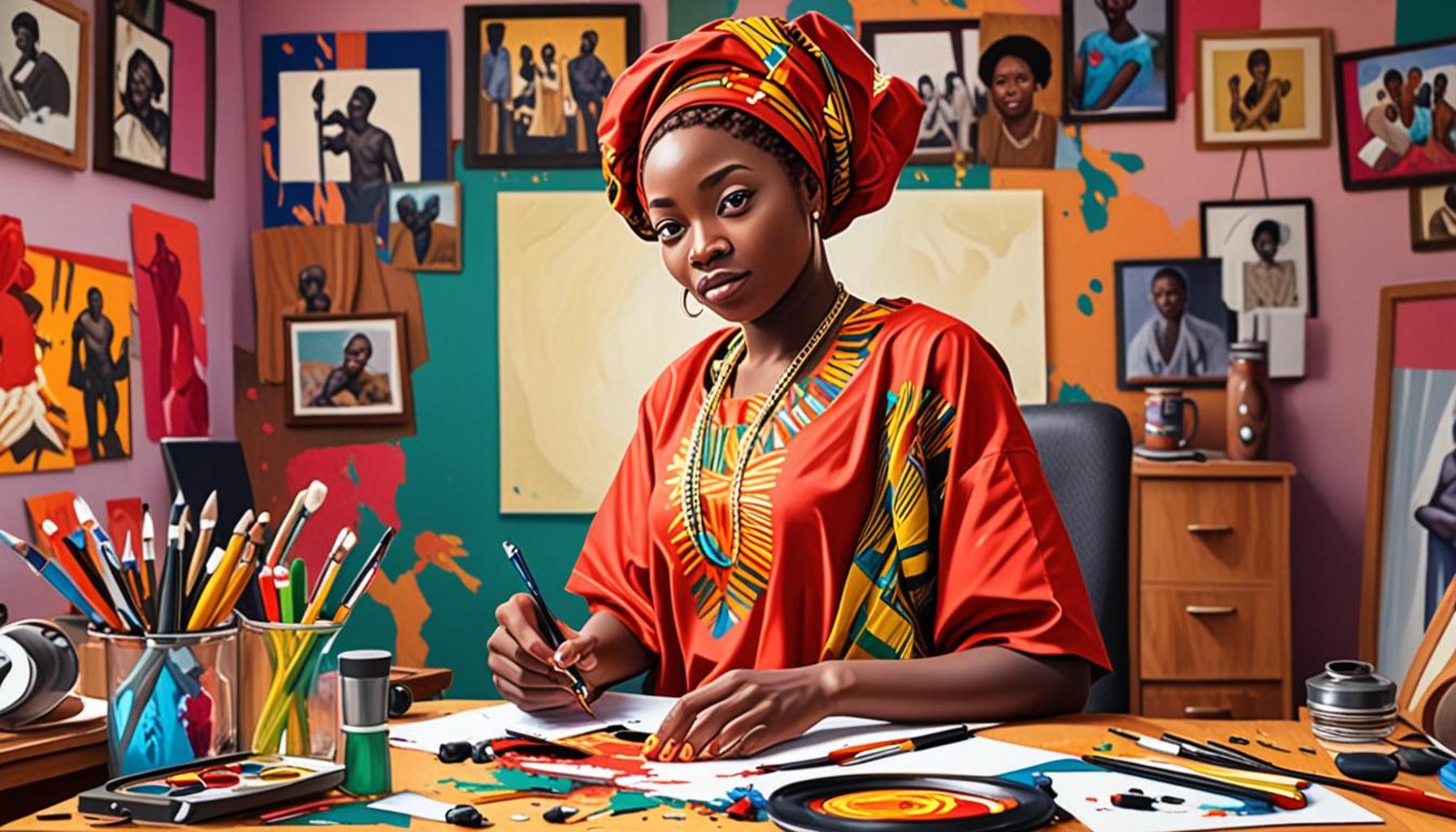
Art serves as a profound avenue for cultural expression, particularly among the vibrant youth of Nigeria. It goes beyond mere aesthetics; it stands as a reflection of their dreams, struggles, and cultural heritage. Contemporary Nigerian youth engage with various artistic mediums such as traditional dance, music, visual arts, and street art, weaving their realities into creative narratives that resonate within their communities and beyond.
Connection to Heritage
Nigeria is a tapestry of over 250 ethnic groups, each with its own unique artistic traditions. For the youth, art is a bridge connecting them to their rich heritage. Take the renowned Masquerade festivals, for instance, where traditional performances not only entertain but also honor ancestral beliefs and communal values. Such cultural events provide young artists with a platform to showcase their talent, fostering a deeper appreciation of their roots and history.
Modern Creativity
In a remarkable synthesis of old and new, many young Nigerian artists are merging traditional techniques with contemporary themes. This fusion is evident in the works of artists like Sulyman Adebayo, who incorporates Yoruba symbolism into modern digital art, creating pieces that appeal to both local and international audiences. By utilizing social media platforms to display their work, these young creatives are able to reach wider audiences, leading to increased visibility and recognition of Nigerian artistry on the global stage.
Social Commentary
Art is also a powerful form of social commentary. Nigerian youth harness their creative talents to tackle pressing issues such as corruption, inequality, and climate change. For instance, songs from artists like Burna Boy and Falz resonate with the realities of the Nigerian populace, addressing themes of governmental negligence and societal injustice. Their music ignites conversations and motivates young people to engage in activism, thus demonstrating the influential role of art in societal transformation.
The impact of art extends beyond individual expression, fostering community unity and dialogue among youth. Projects and initiatives, like art workshops and community murals, encourage collaboration, allowing creators to share their experiences and vision with others. These interactions build a sense of belonging and encourage participation in cultural and social discussions.
Conclusion
The significance of art in Nigerian youth culture cannot be overstated. As a form of cultural expression, it challenges the status quo, enhances personal development, and enriches the social fabric. By understanding how art shapes societal values and influences the next generation, we recognize its potential as a catalyst for meaningful change. As we explore more about this dynamic landscape, it becomes evident that Nigerian youth are not just passive observers but active contributors to their cultural narrative, creating a resonant impact that echoes far beyond their borders.
YOU MAY ALSO LIKE: Read read another article
Cultural Identity Through Art
At its core, art represents the cultural identity of a people. For Nigerian youth, this identity is enriched by a multitude of influences stemming from diverse ethnic backgrounds and historical narratives. Engaging with art provides these young individuals a way to explore and affirm their place within Nigeria’s dynamic cultural landscape. In this fluid environment, youth can access traditional practices while simultaneously expressing contemporary experiences, effectively creating a dialogue between the past and the present.
Expressions of Identity
The act of creating art allows Nigerian youth to articulate their personal and collective identities. Through various mediums such as music, poetry, visual arts, and performance, they reflect their unique experiences and struggles. For instance, the vibrant street art found in cities like Lagos and Abuja uses bold colors and provocative imagery to convey not only beauty but also sociopolitical messages. This contributes to a larger narrative of resistance and resilience, showcasing how art evolves in response to societal challenges. Notably, the prominent display of colorful murals often sparks discussions among community members, prompting them to reflect on their own identities and aspirations.
A Platform for Dialogue
Moreover, art serves as a platform for dialogue among Nigerian youth, fostering connections across different backgrounds. Through collaborative projects like community theater and music festivals, young artists are able to share their stories, bridging gaps between diverse cultural perspectives. Such initiatives help to create a shared sense of belonging, offering a space for participants to engage in meaningful conversations about shared experiences. A prime example of this is the Kelani Vibes Festival in Lagos, which brings together young musicians from various genres to celebrate their cultural heritage while promoting unity among different ethnic groups.
The Global Stage
Nigerian youth are increasingly making waves on the global art scene, showcasing the significance of cultural expression through their work. Artists like Tems and Rema blend traditional sounds with modern influences, capturing international audiences with their unique styles. These artists not only highlight the vibrancy of Nigerian culture but also challenge stereotypes, proving that Nigerian art is both relevant and relatable on a global scale. This newfound attention provides opportunities for young creators to gain exposure and expand their reach, ultimately allowing them to influence cultural trends beyond Nigeria.
Art as a Tool for Empowerment
The transformative power of art extends beyond cultural expression; it can serve as a tool for empowerment. By participating in artistic endeavors, Nigerian youth can develop critical skills such as teamwork, communication, and emotional intelligence. Programs that focus on art education have emerged in many parts of the country, offering young people the chance to hone their talents while also enhancing their self-esteem. Engaging in art can become a form of healing and self-discovery, allowing these individuals to navigate the complexities of their environment with confidence. This multifaceted approach reinforces the role of art not merely as a form of self-expression but as a vital component in shaping capable, socially responsible citizens.
The Importance of Art as a Form of Cultural Expression in Nigerian Youth
Art transcends mere aesthetics; it serves as a powerful tool for cultural identity among Nigerian youth. In a nation as diverse as Nigeria, encapsulating various ethnicities and traditions, art forms such as music, dance, visual arts, and theater act as a unifying language. Young people express their unique experiences and stories through their artistic endeavors, thus cultivating a shared cultural memory.
Moreover, engaging in artistic expression can lead to significant personal development. Through art, Nigerian youth cultivate critical thinking skills, boost their self-esteem, and enhance their social connections. Creative outlets empower them to tackle difficult subjects like social injustice, identity crises, or political issues, allowing a generation to voice their opinions and influence change.
Organizations and community initiatives also play a key role in promoting artistic development among the youth. Workshops, exhibitions, and collaborative projects not only foster creativity but also create opportunities for mentorship. These engagements can provide invaluable networking for young artists, helping them reach wider audiences and develop their careers.
In addition, as Nigerian artists gain recognition on both local and international platforms, they serve as role models for aspiring creatives. The representation of Nigerian culture in the global art scene encourages youth to embrace their heritage and inspires innovation within traditional art forms. This process cultivates a sense of pride that is integral for sustaining cultural heritage.
To further illustrate these points, consider the array of art-focused initiatives sprouting across Nigeria. Festivals dedicated to local art forms showcase talent and bring communities together while fostering appreciation for diverse artistic expressions. Engaging in these activities not only enhances artistic dispositions but simultaneously strengthens community ties, bridging generational gaps through the shared appreciation of art.
| Advantages of Art | Cultural Impact |
|---|---|
| Fosters identity | Provides a medium for youth to share cultural experiences. |
| Encourages dialogue | Addressing social issues through creative expression. |
In summary, harnessing the power of art fosters not just individual growth but also enhances community coherence, making it an essential aspect of cultural expression for Nigerian youth. There remains an urgent need to support and promote artistic initiatives, ensuring a brighter future where the voices of the youth continue to resonate through innovative expressions of culture.
CHECK OUT: Click here to explore more
Art and Societal Transformation
Art not only serves as a means of cultural expression for Nigerian youth but also acts as a catalyst for societal transformation. In a country grappling with various socio-economic challenges, young artists are leveraging their creativity to advocate for change and raise awareness about pressing issues. Through visually compelling artworks, songs, and written pieces, they challenge the status quo and mobilize their peers towards activism. This phenomenon is evident in many contemporary art movements where themes surrounding corruption, education, and gender equality take center stage, encouraging society to confront uncomfortable realities.
Art as Advocacy
One powerful illustration of art’s role in advocacy can be seen in the response to Nigeria’s ongoing social issues, including the need for police reform and the promotion of women’s rights. The #EndSARS protests, for example, saw widespread involvement of artists who created powerful visuals and songs that captured the essence of the youth’s dissatisfaction with governance. Artistic expressions during these protests not only galvanized demonstrators but also engaged a wider audience, creating a ripple effect that attracted international attention. The use of art as a medium of protest indicates how Nigerian youth are not only passionate about cultural expression but also about creating a just society.
Fostering Innovation and Creativity
Art has become a breeding ground for innovation and creativity among Nigerian youth. As opportunities for formal employment dwindle, many young people are turning to their artistic skills to create businesses and livelihoods. Initiatives such as the Art House Nigeria provide training and resources for aspiring artists, enabling them to explore their talents while also fostering a sense of community and collaboration. This drive towards entrepreneurship within the arts sector is vital; it encourages sustainability and empowers youth to become economically independent. The flourishing of local businesses centered around art further contributes to the economy and promotes cultural preservation, as unique Nigerian art forms gain traction.
The Role of Technology in Art
Another significant aspect of the evolving art scene amongst Nigerian youth is the integration of technology into their creative processes. Digital platforms enable artists to showcase their work to a global audience effortlessly. Social media channels, such as Instagram and TikTok, are proving particularly effective in allowing young talent to gain visibility and foster engagement. Digital art, graphic design, and music production have all been embraced by the youth, further diversifying the expression of their cultural narratives. Collaborations with tech innovators have also led to unique projects, bridging the gap between traditional art forms and modern technology.
Educational Initiatives and Community Outreach
Educational programs focused on art not only nurture creativity but also instill important life skills in the youth. Institutions such as the Nike Art Gallery and various community art centers across Nigeria offer workshops and mentorship programs designed to enhance artistic skills and cultural understanding. By encouraging young people to participate in artistic endeavors, these initiatives support a holistic approach to learning that extends beyond the classroom. Importantly, they also provide a means for marginalized voices to be heard and represented within the broader cultural dialogue, ensuring that the richness of Nigeria’s diversity is celebrated and preserved.
CHECK OUT: Click here to explore more
Conclusion: The Vital Role of Art in Shaping Nigerian Youth Culture
In conclusion, the significance of art as a form of cultural expression among Nigerian youth cannot be overstated. Through diverse artistic mediums, these young talents are crafting powerful narratives that resonate with their experiences, dreams, and aspirations. By actively engaging in societal issues and driving social change, Nigerian artists embody the essence of cultural advocacy, raising awareness around key topics such as governance, gender equality, and economic empowerment.
The transformation of art into a vehicle for innovation and entrepreneurship demonstrates the resilience and adaptability of the youth in facing contemporary challenges. Initiatives like Art House Nigeria and community art centers play a crucial role in nurturing creativity while fostering a sense of collaboration and belonging. Moreover, the integration of technology into their art forms amplifies the reach and impact of their work, allowing for broad engagement on global platforms.
As educational opportunities continue to flourish, and with increasing access to digital tools, a new generation of Nigerian artists is on the brink of redefining the country’s cultural landscape. This ongoing evolution of artistic expression not only enriches Nigeria’s cultural heritage but also ensures that the voices of the youth are heard and celebrated. The future of art as a dynamic facet of cultural identity is bright, and it will undoubtedly pave the way for continued dialogue, innovation, and transformation in society.