The Influence of Music and Dance in Nigerian Cuisine: A Symphony of Flavors and Rhythms
The Heartbeat of Nigeria’s Culinary and Cultural Experience
The soul of Nigerian life resonates through its rich cultural expressions, embodying a dynamic interplay between music, dance, and culinary practices. In Nigeria, music is much more than a form of entertainment; it serves as a cultural vehicle that drives social interactions and collective memories. From the lively sounds echoing in rural villages during celebratory feasts to urban concerts in bustling cities, the rhythm of Nigerian music is intrinsic to the culinary experience.
Take a stroll through any major city in Nigeria, like Lagos or Abuja, where you can easily find food vendors showcasing traditional dishes such as jollof rice and suya. These culinary delights are often accompanied by vibrant music. Local artists perform Highlife melodies, which hark back to the days of community gatherings, evoking nostalgia that ties people to their roots. Similarly, the infectious beats of Afrobeats elevate food festivals, creating an atmosphere that urges both vendors and patrons to dance and celebrate while they indulge in the tantalizing tastes of their homeland.
The Role of Dance in Culinary Celebrations
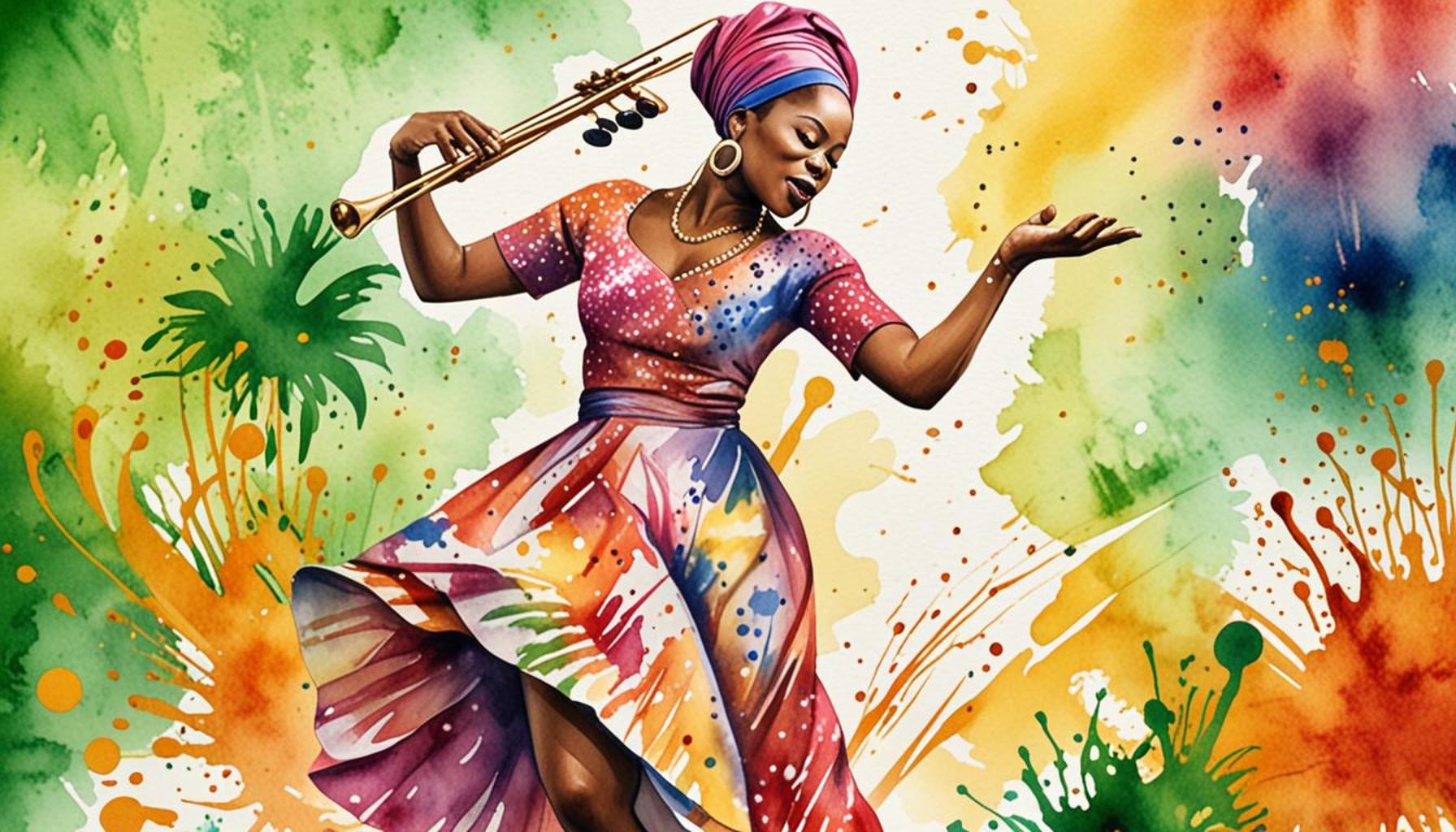
In Nigeria, dance is an essential component of culinary traditions that emphasize communal bonding. During festivals, such as the New Yam Festival in southeastern Nigeria, families gather not just to feast on the first yams of the season but also to showcase traditional dances that tell stories of harvest and abundant blessings. This practice turns meals into shared experiences where food becomes a medium of connection, unity, and cultural pride.
Moreover, music plays a pivotal role in learning and passing down culinary knowledge. Many traditional recipes are memorized through folk songs, often sung while preparing meals. This auditory method of education helps preserve the culinary arts while reinforcing social bonds across generations. A grandmother might teach her grandchildren the intricacies of preparing egusi soup through playful songs, ensuring that both the dish and its accompanying stories live on.
Festivals and Family Connections
The integration of music, dance, and food truly comes alive during festivals such as Durbar and Eid-el-Fitr. Here, not only are the tables laden with sumptuous dishes, but the air vibrates with traditional drumming and vibrant dance performances that showcase the rich tapestry of local culture. These events are characterized by the spirit of sharing; families and friends gather, exchanging not just food but stories and laughter, reinforcing their communal ties.

As we dive deeper into this cultural phenomenon, it becomes clear that culinary traditions in Nigeria go far beyond flavors. They are living legacies that encapsulate a rich history and identity, an immersive experience that resonates well beyond the dinner table. Through the rhythms and melodies that accompany each dish, we learn that every meal may have a song waiting to be sung—a reflection of the profound connection between Nigeria’s music, dance, and cuisine.
YOU MAY ALSO LIKE: Read read another article
Tunes and Tastes: The Interconnectedness of Music, Dance, and Food
The intricate tapestry of Nigerian culture is woven with the threads of music, dance, and cuisine, creating a vibrant existence where each element feeds into the other. Music, a powerful narrative force, not only enriches the culinary landscape but also transforms the act of dining into a sensory celebration. It encapsulates the stories, emotions, and traditions of the Nigerian people, giving a new dimension to every meal shared and enjoyed.
This harmonious relationship becomes particularly evident in various aspects of Nigerian cuisine. When individuals come together to prepare and enjoy their meals, the presence of music often amplifies the experience. Traditional instruments like the talking drum or shekere provide lively rhythms that inspire movement and joy, as family members join together in the kitchen, chopping vegetables or stirring stews. The songs sung during these moments capture the essence of their heritage, linking individuals to their ancestors and fostering a sense of community.
The Culinary Soundtrack of Nigerian Festivities
Throughout Nigeria, every major celebration boasts a unique culinary soundtrack. Festivals celebrating cultural heritage, such as the Ogun Festival or the Osun-Osogbo Festival, not only highlight traditional foods but are also infused with local music and dance. For instance, during the Ogun Festival, the air is filled with the sound of drums as families feast on spicy pepper soup and yam porridge while engaging in traditional dance displays.
The interplay between food and music can also be seen in personal celebrations, such as weddings and birthday parties, where not only are dishes like eforiro and puff-puff presented but also accompanied by high-energy dance music that keeps the spirit of the event alive. The synchrony of meals and rhythms fosters a lively environment that encourages shared laughter, storytelling, and camaraderie among attendees.
Exploring the Edibles that Dance with Melody
Some traditional Nigerian foods are inherently linked to specific music genres or dance styles, further solidifying the bond between these cultural expressions. Some examples include:
- Jollof Rice: Often enjoyed during lively gatherings, this dish calls for upbeat vibes, making it synonymous with Afrobeats.
- Pounded Yam and Egusi Soup: Traditionally served during ceremonial dances, these dishes complement the rhythmic movements of dancers dressed in colorful attire.
- Bitter Leaf Soup: Often prepared during musical festivities, the preparation and sharing of this dish can lead to dance contests among family and friends.
This intricate dance of flavors and rhythms forms a sensory canvas that narrates the realities and aspirations of the Nigerian people. As we delve deeper into this cultural synesthesia, we begin to understand how music and dance play crucial roles in shaping culinary experiences, enriching our heritage, and preserving the past through the lively celebration of food.
In exploring the intricate relationship between music, dance, and Nigerian cuisine, it’s essential to recognize how these cultural elements intertwine to enhance the dining experience. In Nigeria, meals are often accompanied by vibrant music and energetic dance, creating a multisensory experience that enriches social gatherings. This phenomenon demonstrates the cultural depth and communal aspects of Nigerian culinary traditions, where food is not merely sustenance but a catalyst for celebration and connection.One of the most notable examples is the traditional African drumming, which resonates through the air during family feasts and festivals. The rhythm of the drums serves as a call to the community, inviting people to share in the joy of food and togetherness. The beats often mimic the flow of the cooking process, from the chopping of vegetables to the stirring of ingredients, making the act of preparing meals feel like a lively performance.Moreover, the local dances that accompany these culinary events are often choreographed around the flavors and textures of the foods being served. Dances such as the ‘Sakara’ or ‘Gumboot’ reflect the history and stories of various tribes, while also paying homage to the artistry involved in Nigerian cooking. These performances often celebrate specific dishes, using movements that symbolize the preparation and enjoyment of food.This confluence of music and dance enhances the flavor experience, as diners often enjoy their meals with a heightened sense of appreciation. The rhythmical patterns and melodies can influence taste perceptions, making the food appear more flavorful and enjoyable. Furthermore, many traditional dishes, like jollof rice or suya, are often associated with pre-celebration rituals that include song and dance, emphasizing their importance beyond mere nutrition.As we delve deeper into the symphony of flavors that Nigerian cuisine offers, it’s clear that music and dance play critical roles in the cultural narrative of food. This rich tapestry not only preserves the heritage of the Nigerian people but also promotes a sense of belonging and identity as they gather, sing, and taste their heritage through shared meals. Exploring these vibrant connections can lead to a deeper understanding and appreciation of the diverse culinary landscape of Nigeria and how it shapes social interactions within communities around the world. Engaging in the rhythms of food, song, and dance, one truly experiences the essence of Nigeria’s rich cultural heritage— a true symphony of flavors and rhythms that invites further exploration and appreciation.
YOU MAY ALSO LIKE: Read read another article
The Cultural Significance of Dance in Culinary Experiences
Dive deeper into the relationship between dance and culinary practices in Nigeria, and it’s impossible to overlook how pivotal dance is in many food-related events. Celebrations often transform into dance parties as attendees indulge in a feast of flavorful dishes while moving to the pulse of their cultural beats. This practice is particularly pronounced in the Yoruba culture, where the art of entertaining is closely tied to food and rhythm. The mere sight of a well-prepared dish such as suya or bitter leaf soup can set the stage for an impromptu dance-off, with participants showing off their best moves while savoring delicious bites.
Each dance style uniquely influences how food is prepared and served. The lively and vibrant Gumboot Dance, for instance, often punctuates communal gatherings where dishes are shared, reflecting unity and joy among the participants. The rhythms of the dance intertwine with the movements in the kitchen, as cooks emulate the dance’s beats while stirring pots or kneading dough, bringing an element of rhythm into their culinary techniques.
The Role of Music in Culinary Storytelling
Music serves not merely as a backdrop but as a storytelling vehicle deeply embedded in Nigerian cuisine. Each song carries a narrative, often depicting tales of farmers, cooks, and family traditions that shape the preparation of specific dishes. For example, during harvest season, songs celebrating the bounty of the land are sung, inspiring families to come together and prepare meals that reflect the year’s labor. This connection between the song and the meal fosters a sense of gratitude towards the food and those who worked to create it.
Traditional music genres like Highlife or Fuji can often be heard in markets, bustling with vendors selling local ingredients. The rhythm of this music permeates the air while shoppers barter and engage in lively conversations about their favorite recipes. The fact that these interactions happen amid vibrant sounds transforms a mundane chore into a lively, community-driven event, underscoring the importance of music in fostering connections.
Food, Dance, and Healing in Nigerian Tradition
The therapeutic aspects of combining food, dance, and music extend into the realm of spiritual healing in many Nigerian communities. Traditional healers often believe that certain songs and dances can enhance the healing properties of specific dishes. For instance, during a meal intended to aid recovery, uplifting songs accompanied by dance are thought to provide more than sustenance; they offer emotional support and rejuvenation. Common dishes such as pepper soup are often served at such gatherings, with vibrant drumming signaling the importance of the occasion and invoking positive energy among attendees.
This deep-rooted belief in the healing effects of music and dance, particularly in culinary settings, highlights the essence of Nigerian culture that intertwines nourishment, community, and well-being. The influence of rhythmic traditions permeates everyday life—turning simple meals into grand celebrations and weaving a rich fabric of emotion, connection, and gastronomic delight.
Exploring further, one can notice how contemporary Nigerian artists are integrating traditional rhythms with modern sounds in their music, alongside a newfound appreciation for traditional dishes. This evolution in culinary storytelling not only entertains but also offers a deeper understanding of Nigeria’s rich cultural heritage, thus continuing the delightful symphony of flavors and rhythms that bind the nation.
CHECK OUT: Click here to explore more
Conclusion: The Harmonious Blend of Culinary Arts
In Nigeria, the intricate interplay of music, dance, and cuisine paints a vivid portrait of cultural richness and unity. As explored throughout this article, the symphony of flavors and rhythms encapsulates more than just the gastronomic delights; it encapsulates the very essence of the Nigerian identity. From the infectious energy of traditional dances that accompany food gatherings to the powerful storytelling found in the rhythms played at market stalls, every facet of this dynamic relationship serves to deepen communal ties and foster shared experiences.
The culinary practices intertwined with rhythmic traditions not only highlight the creativity of Nigerian chefs but also foster an appreciation for heritage and history. As families resonate with songs celebrating their food, they perpetuate a legacy that both nourishes and entertains. Furthermore, the deep-rooted belief in the healing qualities of music and dance during communal meals underscores how these elements contribute to the emotional and physical well-being of the community.
As contemporary artists innovate by blending modern sounds with traditional rhythms, they invite a new generation to appreciate both music and cuisine as integral parts of their heritage. This evolution offers a unique opportunity for cultural exchange and exploration, allowing individuals to engage with Nigerian cuisine on multiple levels, enriching their understanding of what it means to partake in this vibrant symphony. Therefore, in celebrating the influence of music and dance in Nigerian cuisine, we not only honor the dynamic culinary landscape but also acknowledge the powerful bonds that these cultural expressions forge among people, making every meal a resonant celebration of life itself.