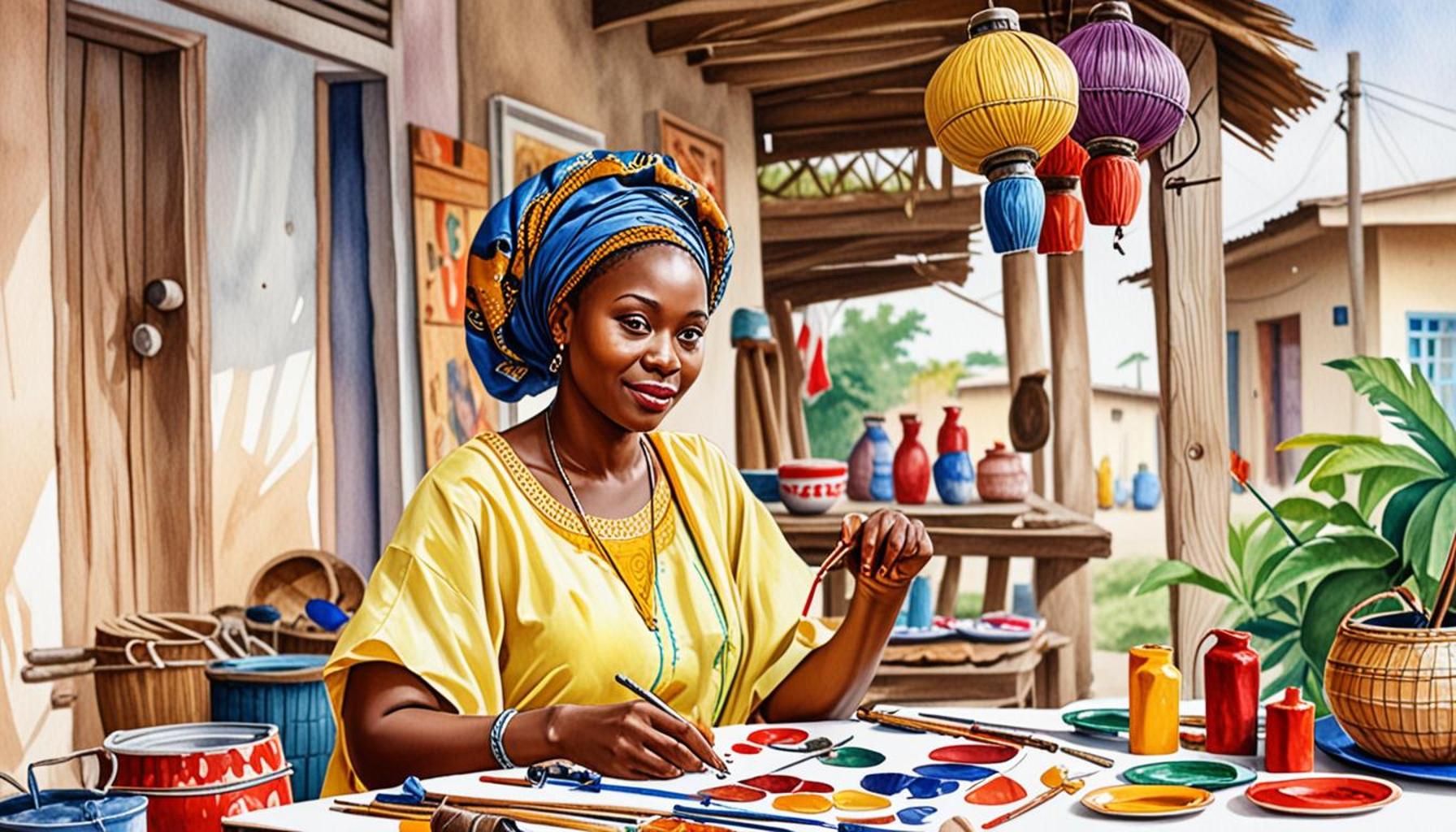
The Role of Social Media in Promoting Emerging Artisans and their Creations in Nigeria
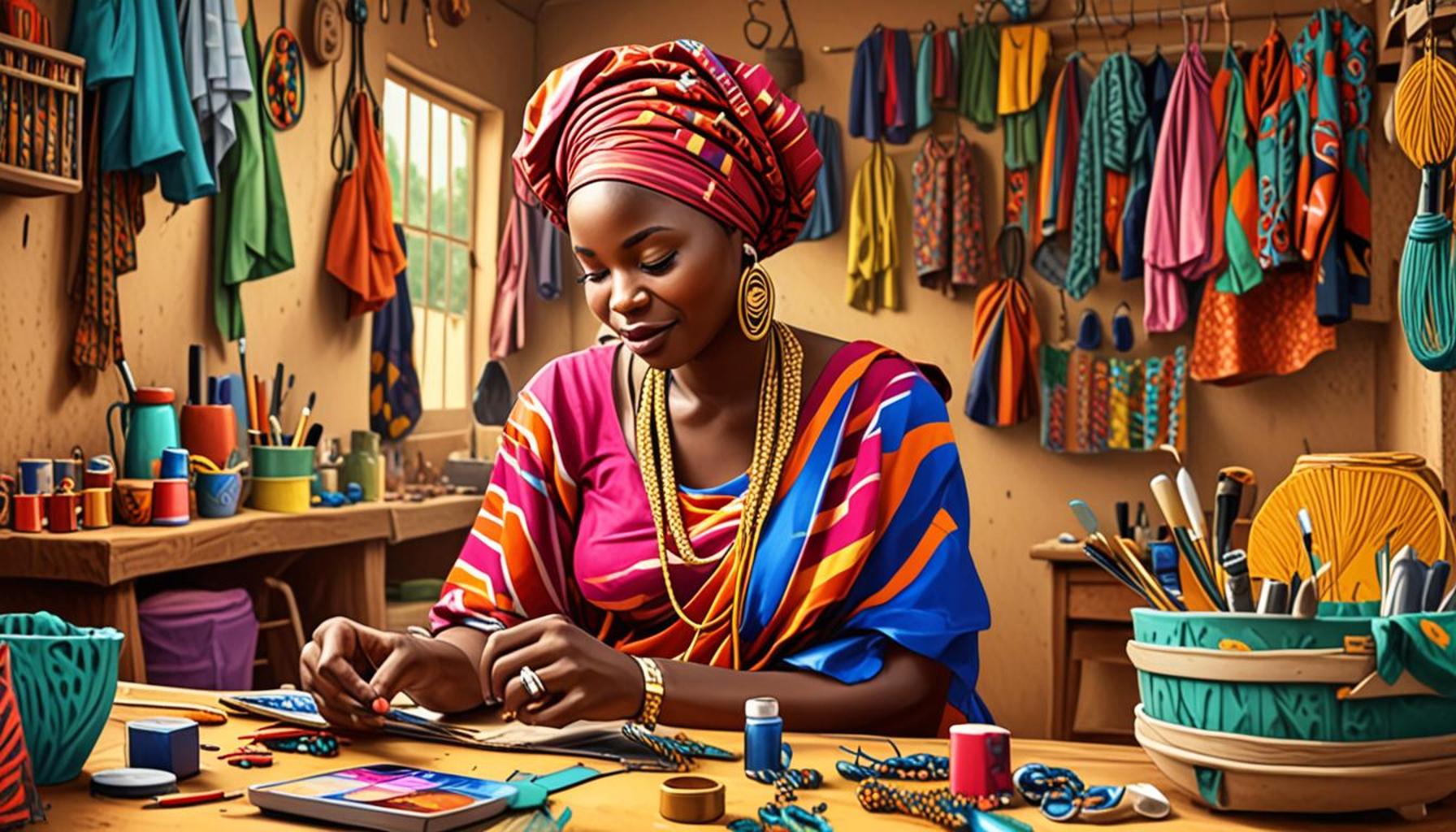
The Role of Social Media in Nigerian Artistry
As we navigate through the digital transformation of commerce and creativity, it’s evident that social media is no longer merely a tool for communication. In Nigeria, it has become an indispensable platform for emerging artisans seeking to not only thrive in their craft but also elevate their cultural narratives on a global stage. The ability to connect with users worldwide offers local artisans unprecedented exposure, allowing them to present a kaleidoscope of creativity that reflects the country’s rich heritage.
The Diversity of Nigerian Art
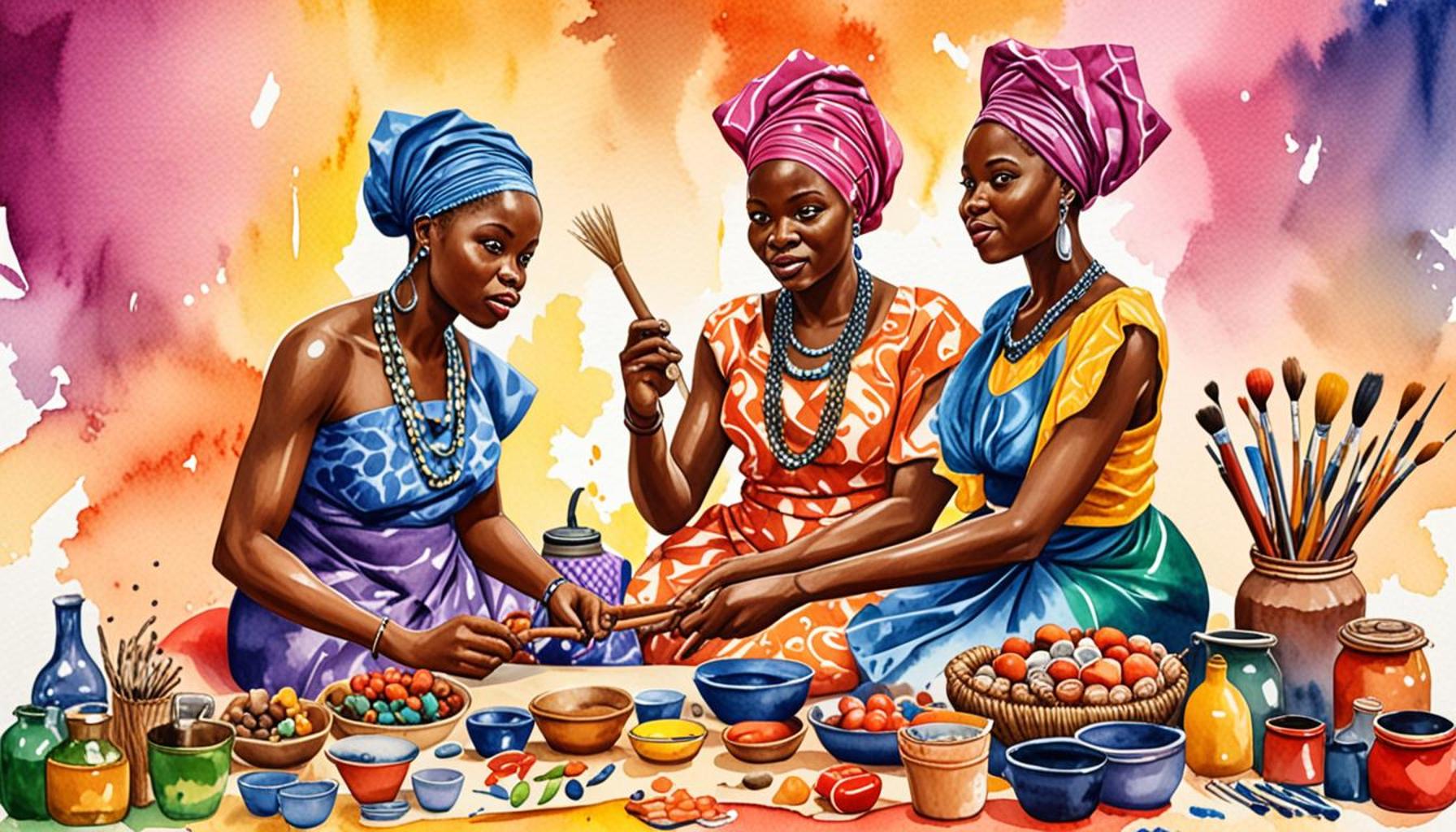
Nigerian artistry is a vibrant tapestry woven from both traditional and contemporary influences. Traditional crafts, such as intricate beadwork and colorful weaving, showcase the historical significance of artisan skills passed down through generations. For instance, the Yoruba people are renowned for their beautiful Aso Oke fabrics, which are often adorned with unique patterns that communicate cultural stories.
In contrast, modern art forms have burgeoned into a dynamic realm that encompasses contemporary painting and sculpting, driven by a new generation of creatives eager to redefine artistic expressions. Artists like Layefa Oputu and Njideka Akunyili Crosby exemplify this modern evolution, utilizing their platforms to reach broader audiences while representing Nigeria’s complexities.
Furthermore, fashion design in Nigeria uniquely marries cultural heritage with contemporary trends, epitomized by designers such as Tifanny Amber and Lisa Folawiyo. Through social media channels, these fashion artisans not only promote their collections but also narrate the stories behind their designs, thus enriching the experience for consumers.
Leveraging Social Media for Growth
Through platforms like Instagram and Facebook, artisans have found innovative ways to build a strong brand identity. Strategic branding involves a carefully curated aesthetic that reflects the artisan’s vision while engaging their target audience. Regular interaction through comments, live sessions, and stories fosters a sense of community, allowing artisans to cultivate a loyal customer base.
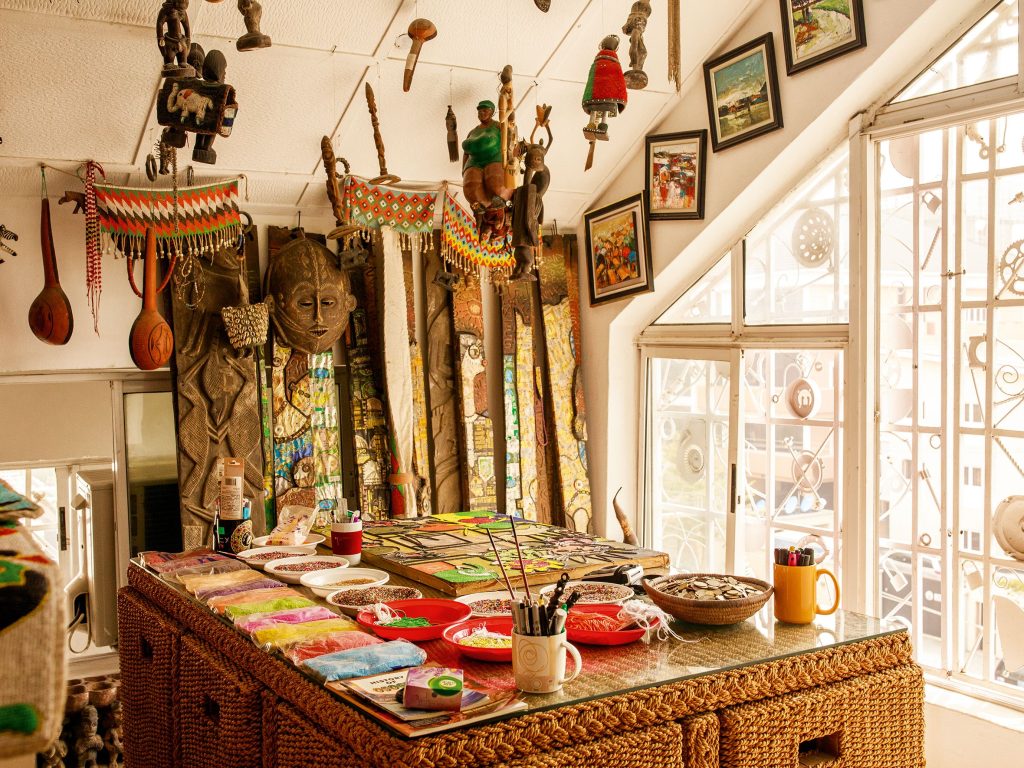
Moreover, engaging directly with their audience creates opportunities for artisans to receive real-time feedback, inspiring continuous improvement and adaptation of their offerings. This approach is particularly empowering for artisans in smaller communities, who can gain visibility and recognition outside local markets.
Perhaps one of the greatest advantages of social media is its capacity to open up new markets. Artisans can easily reach international buyers, collaborating with global brands and participating in virtual craft fairs. This transition from local to global mitigates barriers traditionally faced by artisans, facilitating broader discussions around art and culture.
Promoting Nigerian Culture Worldwide
The evolution of art in Nigeria extends beyond the artisans themselves. The narratives shared online contribute significantly to the broader promotion of Nigerian culture. By showcasing works that capture the essence of Nigerian life, artisans play a crucial role in shaping how the world perceives their country. With each like, share, and comment, the intricate beauty of Nigerian culture gains visibility, helping dismantle stereotypes and build an appreciation for the nation’s artistic prowess.
In conclusion, social media is reshaping the narrative for Nigerian artisans, propelling their creations into the global spotlight. As we continue to witness this dynamic progression, the potential for further growth and visibility in Nigeria’s artistic community remains limitless. The intersection of creativity and commerce, fueled by digital innovation, paves the way for a reimagined future for Nigerian artistry.
RECOMMENDED: Check out this similar article
Empowering Artisans through Digital Platforms
In an age where the digital landscape significantly influences consumer behavior, the emergence of social media as a powerful promotional tool for Nigerian artisans cannot be overstated. With a population increasingly engaged with platforms like Instagram, Facebook, and TikTok, artisans have transformed how they showcase their work and connect with potential customers. This new digital era affords artisans the ability to display their skills, narrate their stories, and cultivate an audience far beyond the constraints of physical market spaces.
The Artisanal Shift to Social Media
Social media has revolutionized the traditional artisan market in Nigeria by enabling craftsmen and women to bypass intermediaries and interact directly with consumers. Artisans can reach wider audiences with their products, from handmade furniture to bespoke jewelry, while avoiding costs associated with physical storefronts. This has resulted in:
- Increased visibility: Artisans can create visually compelling profiles showcasing their creations, drawing in potential customers from around the country and even globally.
- Networking opportunities: Social media serves as a networking platform where artisans can collaborate with other creators, influencers, and businesses, fostering a supportive community.
- Real-time engagement: Artisans can communicate directly with their audience, gaining instant feedback that allows them to refine their craft and adapt to market demands.
The emergence of local hashtags like #MadeInNigeria and #NigeriaArtisans reflects a growing sense of pride and support for homegrown talents. Artisans can leverage these trend-driven tags to further amplify their reach and become part of a larger narrative around Nigerian craftsmanship.
Monetizing Creativity
Social media platforms provide artisans with various monetization avenues. Beyond direct sales, artisans can utilize features such as:
- Sponsored posts: By partnering with brands, artisans can gain financial support while promoting their crafts.
- Online classes: Many artisans are now offering workshops or tutorials, creating additional revenue streams while sharing their expertise with a broader audience.
- Crowdfunding: Platforms like Patreon or GoFundMe allow artisans to fund their projects through community support, enabling them to take creative risks.
For instance, Nigerian ceramic artist Tywa Tiwalola utilizes Instagram live sessions to teach pottery, effectively monetizing her knowledge while connecting with aspiring artisans. This innovative approach showcases how social media transcends traditional selling methods, positioning artisans as both creators and educators in their fields.
Challenges and Opportunities
While social media offers incredible opportunities, it’s essential to acknowledge the challenges emerging artisans face in the digital space. The vast pool of creators means that competition is fierce. However, the possibility of differentiation is great. To stand out, artisans must focus on the quality of their content and authenticity in their storytelling, presenting a distinct narrative that resonates with consumers.
Ultimately, the role of social media in promoting emerging artisans and their creations in Nigeria signifies a shift toward a more inclusive and accessible art market. This digital landscape not only highlights the talents of local creators but also encourages a cultural renaissance that empowers artisans and celebrates the diverse expressions of Nigerian identity.
The Transformative Power of Social Media for Emerging Artisans in Nigeria
Social media platforms are evolving into vital tools for emerging artisans in Nigeria, enabling them to showcase their talent and reach wider audiences. These platforms act as a bridge between the artisans and potential customers, allowing them to display unique creations that often reflect rich cultural heritage and innovation. The democratization of art has become a significant trend, driven largely by the accessibility social media offers.Through visual storytelling, artisans can share their creative processes, crafting techniques, and finished products, capturing the interest of not just local but global audiences. Platforms like Instagram, Facebook, and TikTok allow artisans to utilize high-quality images and engaging video content to narrate their stories. This authentic connection fosters deeper engagement with followers, transforming casual viewers into loyal customers. Moreover, social media is an essential marketing tool that enables artisans to conduct direct sales without intermediaries. By building personal brands and establishing online presence, artisans can retain a larger share of their profits while also cultivating their unique identities within the market. The ripple effects of social media advocacy extend beyond individual artisans. It creates a supportive community where artisans can collaborate, share resources, and even participate in art events and exhibitions organized through social channels. This empowerment through collaboration amplifies visibility and drives demand for artisanal products in the market, leading to increased economic sustainability.As consumers become more conscientious about their purchases, they seek products that have authentic stories and cultural significance. Social media serves to highlight these important factors, positioning emerging artisans to not just thrive, but also revolutionize traditional art forms in Nigeria. This innovative approach is paving the way for growth and recognition that may not have been possible in the pre-social media era.
| Category | Advantages |
|---|---|
| Visibility | Social media enhances the visibility of artisans, allowing them to reach a global audience. |
| Direct Interaction | Artisans can engage directly with customers, receiving feedback and building a loyal community. |
By exploring the multifaceted role of social media, we uncover its potential to transform the landscape for emerging artisans in Nigeria, ultimately promoting creativity and cultural expression on a grand scale.
SEE ALSO: Click here to read another article
Creating a Unique Artisan Brand
As Nigerian artisans navigate the social media landscape, creating a unique brand identity has become imperative. Effective branding not only helps in establishing a distinct presence but also engages potential customers on a personal level. With personal stories often serving as powerful marketing tools, artisans are encouraged to share their journeys, inspirations, and the cultural significance behind their creations. This deeper connection fosters a sense of loyalty and trust among consumers, who are increasingly inclined to support brands with authentic narratives.
The Visual Appeal of Artisanship
The visual nature of social media platforms, particularly Instagram, allows artisans to leverage high-quality imagery to showcase their craftsmanship. Brands such as Smart Money Woman, spearheaded by Nigerian entrepreneur Arese Ugwu, underline the significance of aesthetics in storytelling. By crafting visually appealing content, artisans can better capture the interest of potential buyers and elevate their status within the competitive market. Innovative photography, behind-the-scenes videos, and vibrant storytelling through Instagram Stories create an immersive experience for followers, transforming casual viewers into loyal customers.
Leveraging Influencer Collaborations
An emerging trend among artisans in Nigeria involves collaborating with social media influencers to expand their reach. By partnering with influencers whose audiences align with their brand, artisans can tap into established follower bases, thereby increasing visibility for both parties. This kind of partnership not only enhances followers for artisans, but it also brings fresh authenticity to the influencer’s content. Successful collaborations can yield immediate benefits, such as increased website traffic and higher sales, while helping artisans establish credibility in a crowded marketplace.
- Trust and Verification: Collaborating with respected influencers can validate an artisan’s brand, acting as a trustworthy endorsement that appeals to their audience.
- Organic Reach: Influencers often have established audiences that are more inclined to engage with recommended brands, making this a strategic method for reaching potential customers effectively.
For instance, Nigerian bead artist Femi Balogun successfully aligned himself with several fashion influencers whose endorsement led to a significant boost in brand visibility. His partnership with popular influencer Temi Otedola resulted in a 70% increase in followers and online inquiries for custom pieces.
The Power of Community and Support
Beyond individual branding strategies, the artisan community in Nigeria has begun to form networks and groups on social media that provide support and guidance. These online communities are vital for artisans looking to share ideas, seek mentorship, and learn from the experiences of others. Social media groups, such as the Nigerian Craftsmen Association on Facebook, serve as a hub for discussions, workshops, and even collaborative projects among artisans across the nation.
By pooling resources, artisans can collectively address shared challenges, such as navigating payment platforms or understanding export regulations. Additionally, such communities often amplify each other’s work, leading to an environment rich in cooperation and encouragement. This holistic approach to artisanal promotion creates an ecosystem where every member can thrive and grow.
As this dynamic landscape continues to evolve, it becomes increasingly clear that social media’s role in promoting emerging artisans and their creations in Nigeria is profound, multifaceted, and constantly adapting to the needs of both the artisans and their communities.
YOU MAY ALSO LIKE: Read read another article
Conclusion
The intersection of social media and artisanal craftsmanship in Nigeria has forged a powerful avenue for emerging artisans to showcase their creations and build sustainable brands. Through strategic storytelling and captivating visuals, artisans are successfully crafting identities that resonate with consumers, leading to increased engagement and loyalty. The significance of leveraging influential partnerships cannot be understated, as the endorsements of trusted voices in the community not only elevate the artisans’ visibility but also lend credibility to their work.
Moreover, the formation of online networks has fostered a collaborative environment, offering invaluable resources and support among artisans. This spirit of community cultivates shared success and addresses collective challenges within the industry. As artisans continue to adapt to the ever-evolving social media landscape, they have the opportunity to reach global audiences, thereby promoting Nigeria’s rich cultural heritage and diverse artisanal talents.
In conclusion, the dynamic role of social media in the promotion of emerging artisans and their creations in Nigeria is not merely a trend but a transformative shift that empowers individuals and communities alike. By embracing innovation, artisans are carving out their niche in a competitive market while contributing to the broader narrative of Nigerian creativity. As the digital realm expands, it invites not only curiosity and engagement but also the responsibility of consumers to support homegrown talent and celebrate the unique stories woven into each creation. The future is bright for Nigerian artisans, and social media serves as their canvas.